
What Is Sorbitol Made Of? A Guide to This Versatile Sugar Substitute
Talk to us about this service
Trade, import, logistics, sourcing — whatever you're planning, the fastest way to a quote is a WhatsApp message. Our team replies during Lagos business hours.
WhatsApp usYour message tells us which page you came from
Sorbitol is a widely used sugar substitute found in everything from sugar-free gum to skincare products. But have you ever wondered what sorbitol is actually made of? As the demand for low-calorie and diabetic-friendly sweeteners continues to grow, understanding how sorbitol is produced — and where it comes from — is more important than ever.
In this article, we explore what sorbitol is made of, how it’s produced, and its many uses across the food, pharmaceutical, and cosmetic industries.
🔬 What Is Sorbitol?
Sorbitol is a sugar alcohol (polyol), a type of carbohydrate that behaves like a sugar but with fewer calories and a milder impact on blood sugar levels. It has a sweet, cooling taste and is about 60% as sweet as sucrose (table sugar).
🌽 What Is Sorbitol Made Of?
Commercially, sorbitol is made from glucose, which is typically extracted from starch-rich plant sources such as:
- Corn (maize) – the most common source globally
- Wheat
- Potatoes or tapioca (in some regions)
➡️ The Production Process:
-
Glucose Extraction
Starch is broken down into glucose through enzymatic hydrolysis. Corn syrup, which is high in glucose, is a common raw material. -
Hydrogenation
The glucose is then subjected to hydrogenation — a chemical reaction where hydrogen is added in the presence of a catalyst (usually nickel).
This process converts the glucose into sorbitol, a more stable and less reactive molecule. -
Purification
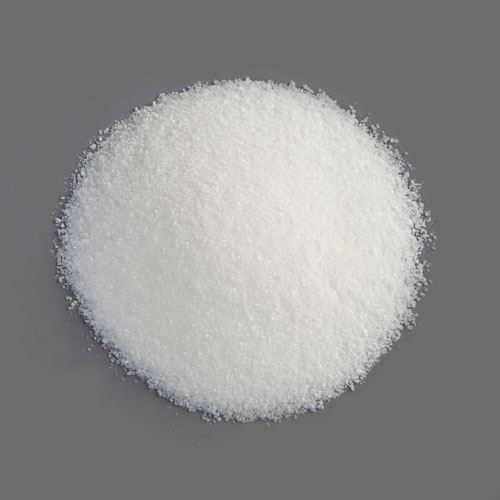
The resulting sorbitol is purified and either kept in liquid form (sorbitol syrup) or dried into crystalline powder, depending on the intended use.
🍏 Does Sorbitol Occur Naturally?
Yes — sorbitol is naturally present in many fruits and berries, including:
- Apples
- Pears
- Peaches
- Prunes
- Cherries
- Apricots
However, the concentration in these fruits is relatively low, so commercial production relies on industrial processing of plant starches.
🧴 Common Uses of Sorbitol
Thanks to its versatility and mild sweetness, sorbitol is widely used across various industries:
1. Food and Beverages
- Sugar-free gums, mints, and candies
- Low-calorie desserts and baked goods
- Diabetic-friendly products
- Frozen desserts (prevents crystallisation)
2. Pharmaceuticals
- Sweetening agent in cough syrups and chewable tablets
- Laxative properties in medical formulations
- Stabiliser in suspensions and syrups
3. Cosmetics and Personal Care
- Humectant in lotions and creams
- Moisturiser in toothpaste and mouthwash
- Thickener in gels and shampoos
✅ Key Benefits of Sorbitol
- Lower in calories than sugar
- Low glycaemic index – suitable for diabetics
- Non-cariogenic – does not cause tooth decay
- Moisture-retaining properties – ideal for cosmetics
- Stable under heat – suitable for cooking and processing
⚠️ Is Sorbitol Safe?
Sorbitol is generally recognised as safe (GRAS) by the U.S. FDA and approved by EFSA in Europe. However, excessive consumption may cause digestive discomfort or act as a laxative in some individuals.
🛒 Sourcing Sorbitol in Bulk
If you’re in the food manufacturing, pharmaceutical, or cosmetics industry and looking to source sorbitol for your production processes, Wigmore Trading can help.
We supply high-quality sorbitol (liquid and powder) in bulk, offering:
- Competitive pricing
- Reliable international logistics
- Custom sourcing based on specification
- Product compliance with food and pharma standards
👉 Contact Wigmore Trading today to request a quote or learn more about our supply solutions.

Comments are closed.