
Who Is the Owner of Nigeria? Understanding Sovereignty, Leadership, and Economic Influence
Talk to us about this service
Trade, import, logistics, sourcing — whatever you're planning, the fastest way to a quote is a WhatsApp message. Our team replies during Lagos business hours.
WhatsApp usYour message tells us which page you came from
A common query online is “Who is the owner of Nigeria?” While the phrasing might imply individual ownership, Nigeria is a sovereign republic—not a property to be owned. This question, however, reflects curiosity about who holds power, controls resources, or influences the country’s direction. Let’s break down what this means politically, economically, and strategically.
Nigeria’s Sovereign Structure
Nigeria is a federated republic, which means that it is governed by elected representatives under a democratic constitution. The country is not owned by any person, group, or foreign entity. Its sovereignty lies with the Nigerian people, as defined in its 1999 Constitution.
Current Political Leadership
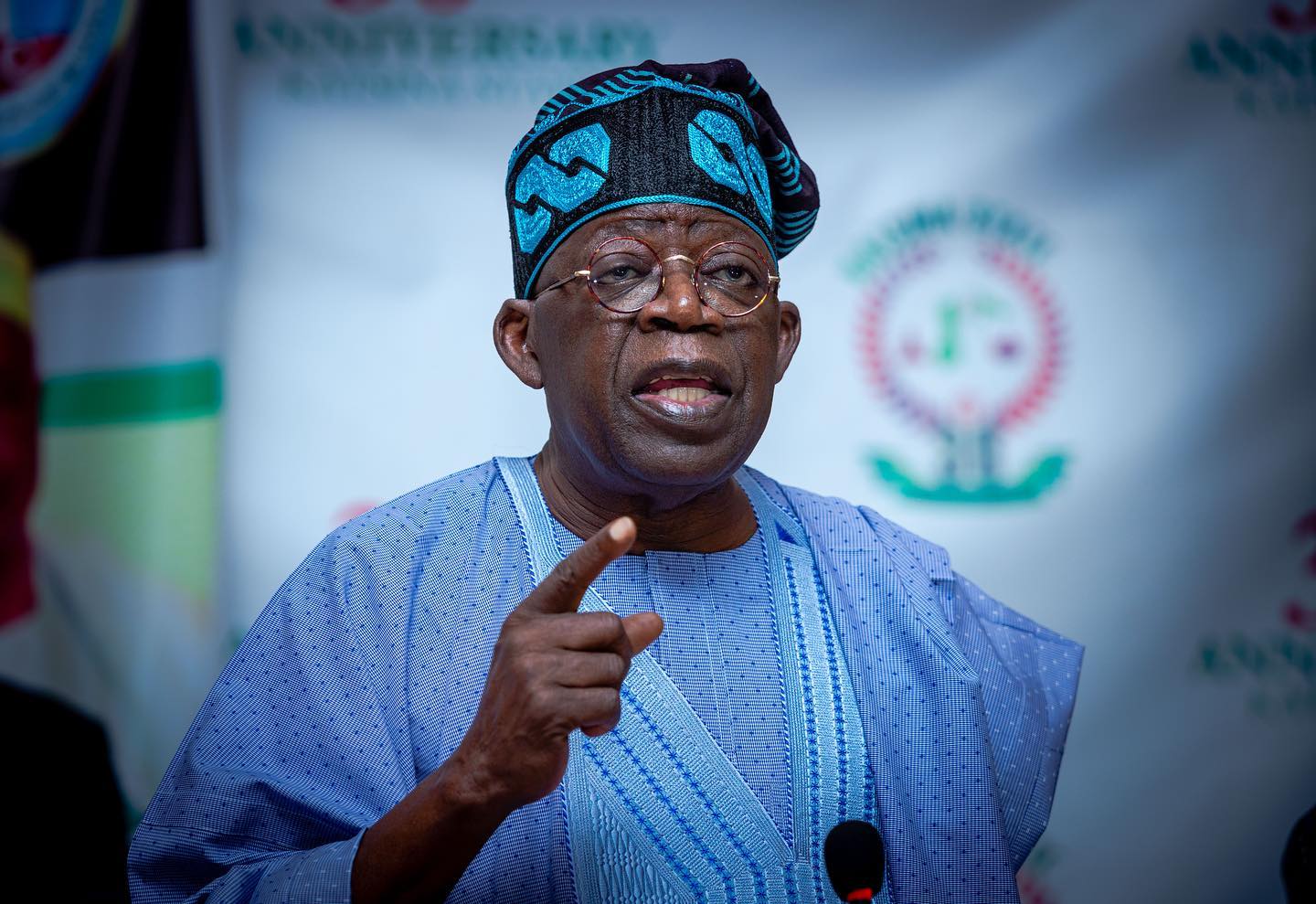
As of 2025, Nigeria is led by President Bola Ahmed Tinubu, who serves as both head of state and commander-in-chief of the armed forces. The government includes:
-
The Executive: Headed by the president, with federal ministers and state governors.
-
The Legislature: The National Assembly, comprising the Senate and House of Representatives.
-
The Judiciary: An independent arm responsible for interpreting laws.
These bodies work collectively to govern Nigeria—not “own” it.
Economic Power and Influence in Nigeria
While no one owns Nigeria, various stakeholders hold significant economic influence, including:
-
Multinational Corporations: Oil companies like Shell, Chevron, and TotalEnergies have major stakes in Nigeria’s energy sector.
-
Wealthy Individuals: Figures like Aliko Dangote, Africa’s richest man, wield major economic power through investments in cement, agriculture, and oil refining.
-
International Institutions: The IMF, World Bank, and China’s Belt and Road Initiative also impact Nigeria’s economic decisions through loans and infrastructure deals.
Historical Context: Colonial Ownership
Nigeria was under British colonial rule from 1885 to 1960. During this time, the territory was effectively “owned” and governed by the British Crown through indirect rule. That changed on October 1, 1960, when Nigeria gained full independence and eventually became a republic in 1963.
How Wigmore Trading Operates in Nigeria’s Business Landscape
Wigmore Trading is an active contributor to Nigeria’s commercial ecosystem, particularly in:
-
Product Sourcing: Supplying essential goods across industries, including agriculture, construction, and FMCG.
-
Logistics and Distribution: Supporting businesses with seamless supply chain solutions across Nigeria and West Africa.
-
Market Entry Support: Assisting international firms in navigating Nigeria’s complex but lucrative marketplace.
Our work supports economic growth and development, aligned with Nigeria’s sovereign and entrepreneurial values.

Comments are closed.