

How Much is Cooking Gas in Nigeria: July 2024 Update

How Much is Cooking Gas in Nigeria: July 2024 Update
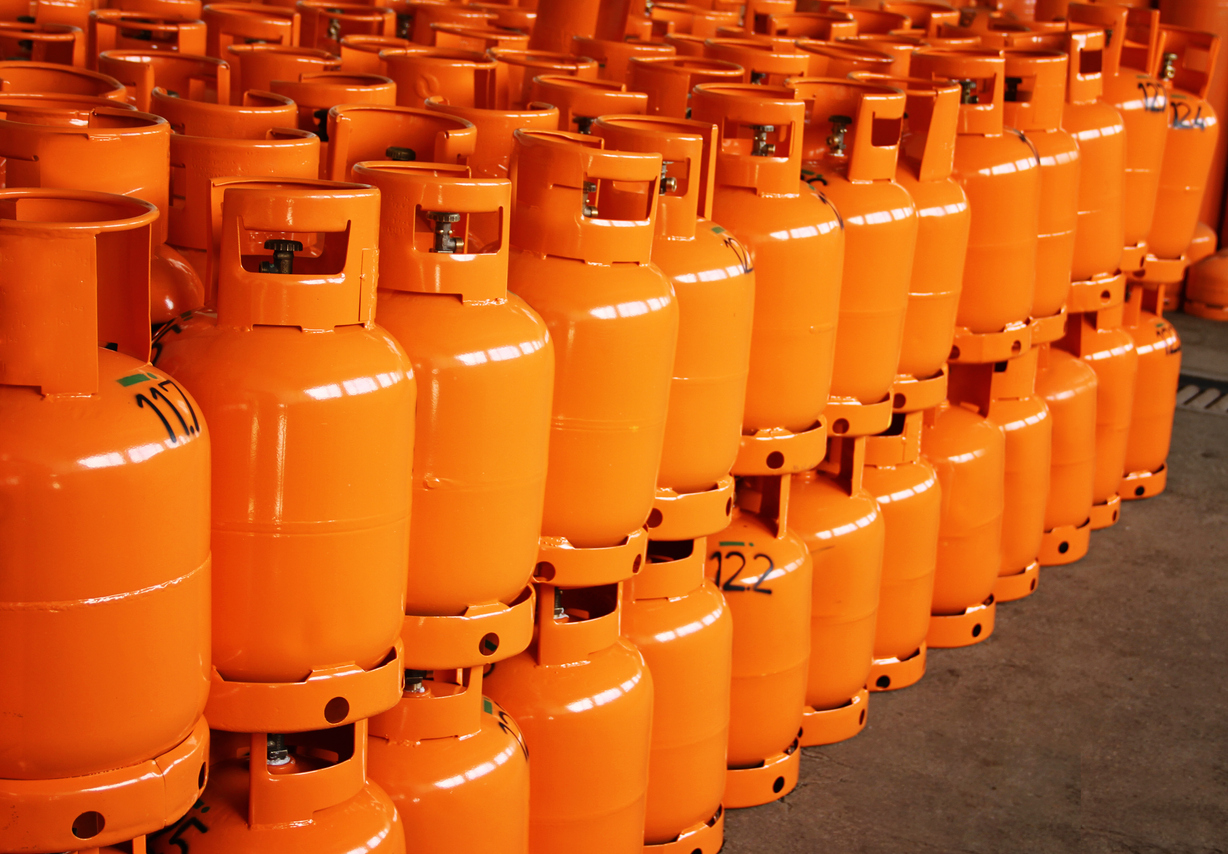
Cooking gas, also known as Liquefied Petroleum Gas (LPG), is an essential commodity for many households in Nigeria. With fluctuating prices influenced by various factors, it’s crucial to stay updated on the current costs. Here’s a comprehensive look at the cooking gas prices in Nigeria as of July 2024 and the elements that affect these prices.
Current Cooking Gas Prices
As of July 2024, the average price for refilling a 12.5kg gas cylinder in Nigeria is approximately ₦11,250. This price can vary depending on several factors such as location, demand, and supply conditions.
Price Breakdown by Cylinder Size
- 1kg: ₦900
- 5kg: ₦4,500
- 10kg: ₦9,000
- 12kg: ₦10,800
- 12.5kg: ₦11,250
- 50kg: ₦45,000 (Okay.ng) (Classified Marketplace) (Nigerian Prices | Naija Price Watch).
Factors Influencing Cooking Gas Prices
1. Demand and Supply
The demand and supply of cooking gas in Nigeria fluctuate based on various conditions. During the rainy season, for example, the demand may increase as more people cook indoors, while supply might decrease due to transportation challenges.
2. Location
Prices can vary significantly between urban and rural areas. Urban areas, with more competition and better infrastructure, tend to have lower prices compared to rural areas, where transportation and accessibility issues can drive prices up.
3. Global LPG Prices
International market trends also impact local prices. Changes in global LPG prices can lead to adjustments in the landed cost of imported gas, which affects the retail price.
4. Exchange Rates
The devaluation of the Naira against major currencies like the US Dollar can increase the cost of importing LPG, leading to higher prices for consumers.
5. Logistics and Infrastructure
Poor road infrastructure and high transportation costs can increase the price of cooking gas, especially in areas far from major gas plants and pipelines.
6. Quality
The quality of gas sold can also affect prices. Premium, high-quality gas might be more expensive but ensures better efficiency and safety.
Managing Cooking Gas Expenses
Given the rising costs, here are some tips to help manage cooking gas expenses:
1. Use Efficient Cookware
Using energy-efficient cookware like pressure cookers can help reduce the amount of gas used.
2. Regular Maintenance
Ensure that your gas cylinder and stove are in good condition to prevent leaks and wastage.
3. Buy in Bulk
If possible, buy larger cylinders as they might offer a lower price per kilogram compared to smaller cylinders.
4. Monitor Usage
Keep track of your gas usage to identify any patterns or habits that lead to higher consumption.
5. Choose Reliable Suppliers
Always buy from reputable and certified suppliers to ensure you are getting quality gas that lasts longer and is safer to use.
Conclusion
Staying informed about the current prices and understanding the factors that influence these costs can help consumers better manage their cooking gas expenses. As of July 2024, the price for refilling a 12.5kg gas cylinder in Nigeria is around ₦11,250, with various factors contributing to this pricing. By adopting efficient usage practices and being aware of market trends, households can mitigate the impact of rising gas prices.
For more detailed and up-to-date information, you can visit sources like Okay.ng and BetaSales.



Comments are closed.