
Vessel Tracking Systems in Nigeria – Enhancing Maritime Visibility and Security

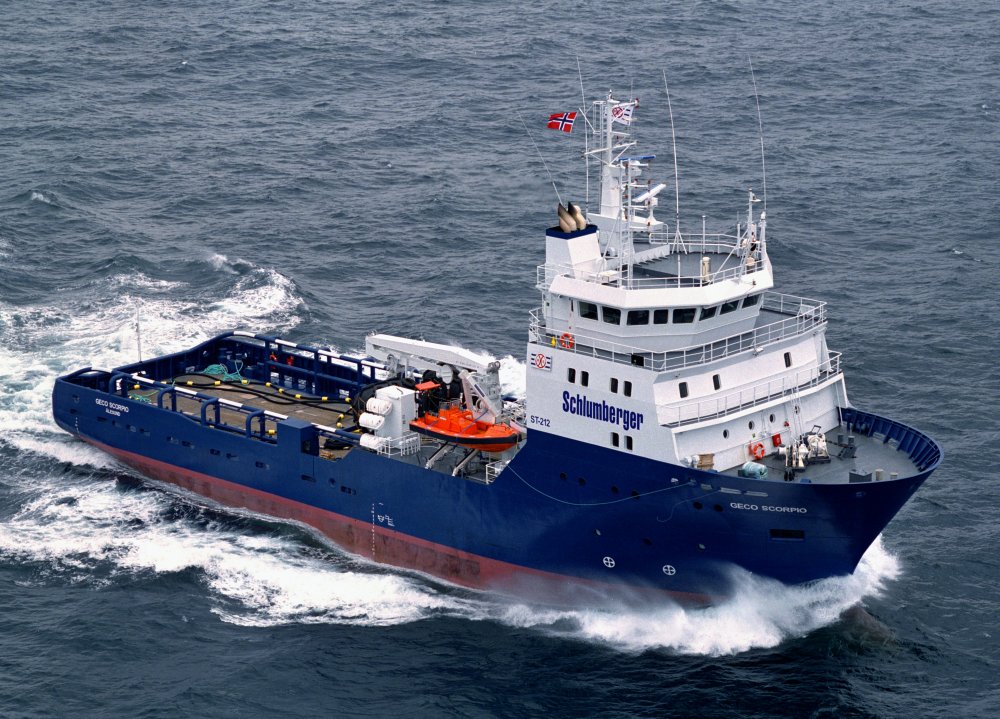
As Nigeria continues to grow its maritime trade, oil exports, and naval operations, vessel tracking systems have become vital tools for managing and securing maritime traffic. From commercial shipping and port logistics to national defense and environmental protection, the ability to monitor vessel movements in real time plays a central role in Nigeria’s maritime strategy.
This article explores how vessel tracking systems in Nigeria work, their key applications, current implementation across sectors, and how Wigmore Trading supports these initiatives through sourcing, logistics, and infrastructure solutions.
Why Vessel Tracking Systems Matter in Nigeria
Nigeria’s territorial waters, extending across over 850 kilometers of coastline and the broader Gulf of Guinea, are among the busiest and most strategically important in Africa. However, they are also prone to:
-
Piracy and armed robbery
-
Illegal fishing and smuggling
-
Oil bunkering and pipeline vandalism
-
Maritime accidents and collisions
-
Customs evasion and port congestion
By using real-time vessel tracking technology, authorities and stakeholders can:
-
Monitor ship positions and speeds
-
Identify unauthorized or suspicious activity
-
Enhance port scheduling and reduce delays
-
Coordinate maritime rescue or enforcement missions
-
Improve trade transparency and customs enforcement
Key Technologies Behind Vessel Tracking Systems
1. Automatic Identification System (AIS)
AIS transponders broadcast a vessel’s identity, position, course, and speed. These signals are captured by coastal stations or satellites to provide real-time tracking and maritime traffic data.
2. Satellite-Based AIS (S-AIS)
For vessels beyond coastal radar coverage, satellite AIS offers global visibility—especially for large cargo ships, offshore support vessels, and tankers.
3. Vessel Traffic Services (VTS)
Managed by port authorities, VTS integrates AIS data with radar, CCTV, and radio communications to manage ship movements within congested or sensitive areas.
4. Long-Range Identification and Tracking (LRIT)
LRIT is used by governments to track ships on international voyages, mainly for security and compliance purposes.
5. Marine Domain Awareness (MDA) Platforms
These integrate data from AIS, radar, UAVs, and other sensors to create a comprehensive picture of Nigeria’s maritime environment.
Implementation in Nigeria’s Maritime Sector
1. Nigerian Ports Authority (NPA)
Major ports like Lagos, Onne, and Calabar use VTS and AIS data to manage berthing, reduce congestion, and coordinate port security.
2. Nigerian Maritime Administration and Safety Agency (NIMASA)
Under the Deep Blue Project, NIMASA deploys satellite and coastal vessel tracking to monitor Nigeria’s Exclusive Economic Zone (EEZ) and respond to piracy threats.
3. Nigerian Navy
The Navy integrates AIS with its own surveillance and response systems to detect non-compliant vessels, coordinate patrols, and secure offshore infrastructure.
4. Private Sector & Shipping Lines
Many commercial shipping companies use third-party tracking platforms for fleet management, route optimization, and real-time cargo monitoring.
Benefits of Vessel Tracking Systems in Nigeria
-
Improved maritime security
-
Better enforcement of territorial sovereignty
-
Efficient port logistics and customs operations
-
Transparency in vessel documentation and compliance
-
Reduced response time in emergencies or environmental threats
How Wigmore Trading Supports Vessel Tracking Infrastructure
Wigmore Trading provides tailored sourcing, procurement, and logistics solutions for vessel tracking projects involving public agencies, defense contractors, and shipping companies.
1. Procurement of AIS and Tracking Equipment
We source AIS transponders, satellite tracking modules, communication hardware, and marine-grade sensors from trusted global manufacturers.
2. Infrastructure Supply for Control Rooms
Wigmore Trading supplies IT hardware, display systems, radio gear, and backup power systems used in command and control centers.
3. Support for Mobile and Remote Installations
We provide solar systems, modular shelters, and field equipment for deploying tracking systems on offshore platforms, naval patrol vessels, and coastal outposts.
4. Customs Clearance and Regulatory Coordination
Our team ensures all imported tracking equipment meets the standards set by Nigerian regulators, including the Nigerian Communications Commission (NCC) and Nigerian Navy.
5. Partnership with Security and Logistics Firms
Wigmore Trading collaborates with defense contractors and maritime security providers to fulfill project requirements across procurement, delivery, and installation timelines.
Contact Wigmore Trading today to support your vessel tracking system deployment with reliable sourcing and logistics services.
Conclusion
Vessel tracking systems are a cornerstone of Nigeria’s maritime modernization—enhancing security, transparency, and operational efficiency across the nation’s ports and territorial waters. As technology advances and maritime activity expands, dependable partners like Wigmore Trading are essential to supply the tools and infrastructure behind these critical systems.
From AIS equipment to control room infrastructure, Wigmore Trading supports the systems that help Nigeria see, understand, and protect its maritime domain.






Comments are closed.