
How US Tariffs Impact EU Companies and Supply Chains

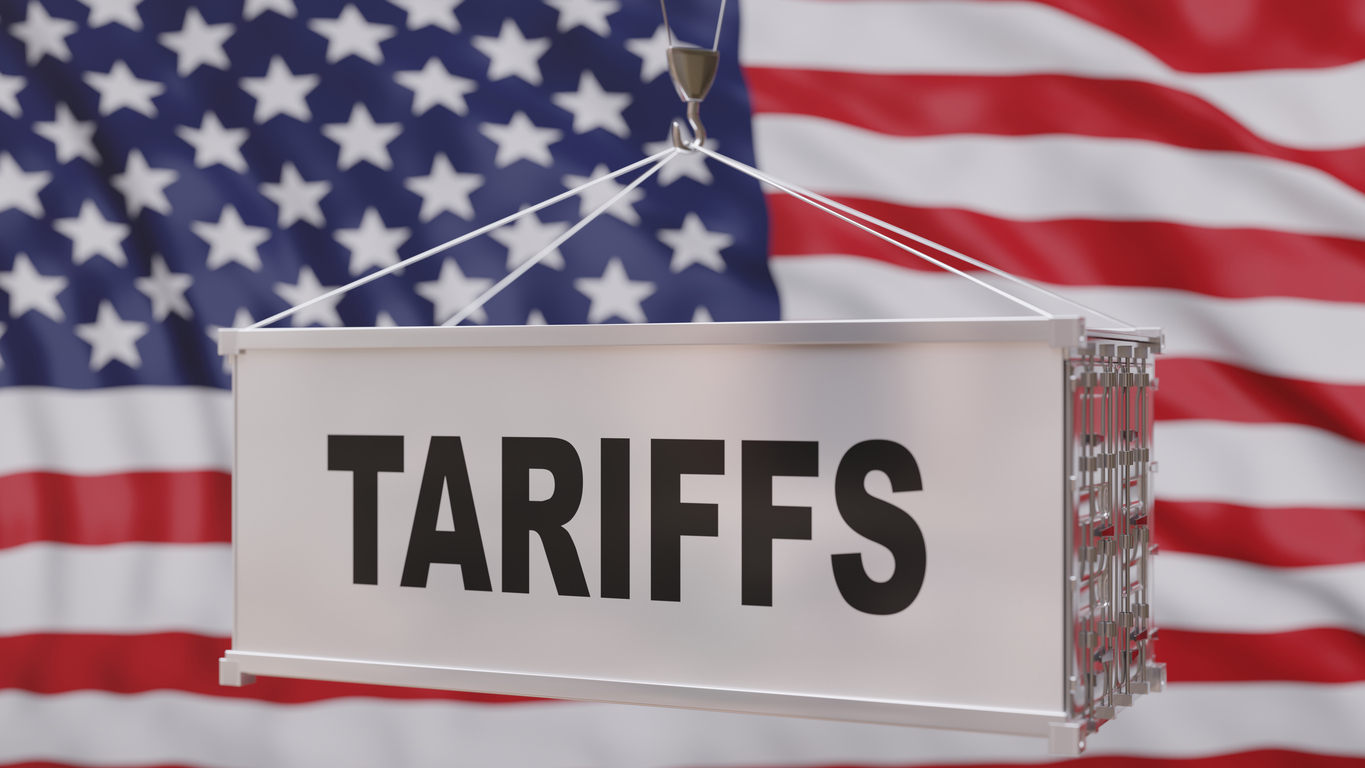
The global trade environment is constantly evolving, and US tariffs on EU companies have become a significant factor affecting supply chains, pricing, and market competitiveness. For businesses importing or exporting between Europe and the United States, understanding the impact of these tariffs is critical to maintaining profitability and operational efficiency.
Understanding US Tariffs on EU Companies
US tariffs are taxes imposed on imported goods, often aimed at protecting domestic industries or addressing trade imbalances. For EU companies, these tariffs can result in:
-
Increased costs: Higher tariffs mean higher prices for goods exported to the US.
-
Reduced competitiveness: EU products may become more expensive compared to domestic US alternatives.
-
Supply chain disruptions: Companies may need to rethink sourcing, logistics, and distribution strategies.
By anticipating tariff changes and planning accordingly, businesses can minimize negative effects and stay competitive in the US market.
Key Areas Affected by US Tariffs
Automotive and Machinery
EU automotive manufacturers and machinery exporters often face some of the highest tariffs. This can:
-
Raise the cost of vehicles and parts in the US market.
-
Force companies to adjust pricing strategies or consider US-based production alternatives.
-
Require careful planning for customs clearance and compliance.
Food and Beverage
Tariffs also affect EU food and beverage exporters, especially those producing specialty items. Challenges include:
-
Higher retail prices reducing demand.
-
Adjustments in packaging or sourcing to meet US regulatory standards.
-
Potential need for alternative export routes to reduce costs.
Industrial Goods and Chemicals
For industrial equipment and chemicals, tariffs may result in:
-
Increased operational costs for US distributors.
-
Need for long-term contracts or bulk shipping to offset expenses.
-
Strategic diversification of supply sources to mitigate tariff impacts.
How Wigmore Trading Helps EU Companies Navigate Tariffs
Navigating tariffs and US import regulations can be complex. Wigmore Trading provides solutions to reduce risks and optimize trade operations, including:
-
Identifying cost-effective entry ports and logistics solutions.
-
Advising on tariff classifications and compliance measures.
-
Developing strategies to maintain profitability despite changing trade policies.
With expert guidance, EU companies can adapt to tariffs while keeping supply chains efficient and costs manageable.
Strategies to Mitigate the Impact of US Tariffs
-
Diversify markets: Explore alternative markets to reduce reliance on US demand.
-
Optimize sourcing: Consider sourcing materials or products from regions with lower tariff exposure.
-
Leverage trade agreements: Utilize EU-US agreements and exemptions where applicable.
-
Partner with experts: Professionals like Wigmore Trading provide insights to navigate regulatory complexities and identify cost-saving strategies.
Conclusion
The impact of US tariffs on EU companies is far-reaching, affecting pricing, competitiveness, and logistics. Proactive planning, strategic sourcing, and expert support are essential to maintaining a smooth supply chain.
Contact Wigmore Trading today to streamline your US exports and minimize tariff-related risks.





Comments are closed.