

Warehouse for Retailers in Nigeria

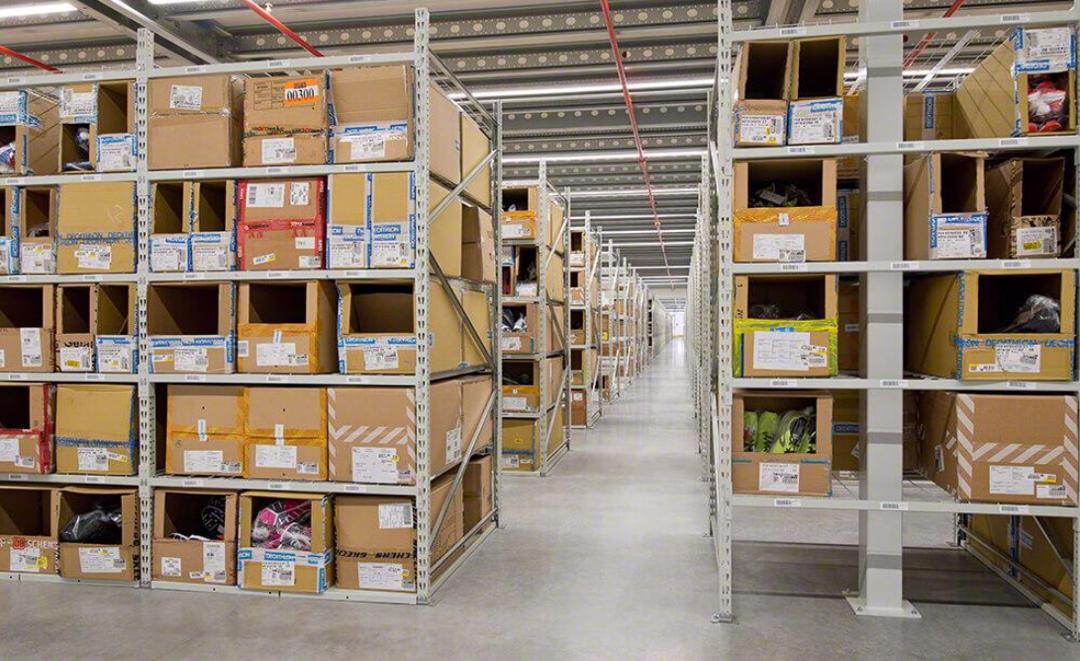
Warehouse for Retailers in Nigeria.
All retail institutions in Nigeria need a warehouse to store their products for future sales. This is because the average Nigerian does not have the privilege of going to the store and buying an item when they want it. Instead, people buy things when they can afford them and stock up for future use. The problem is that these warehouses are often too small and under-equipped to store goods, leading to increased cost and inventory shortages due to theft and damages.
The following article will help you get started with setting up your own warehouse for retailers in Nigeria, so that you’re able to offer your clients a wider range of products while still managing costs effectively.
Why do retail institutions need a warehouse?
Retail institutions need a warehouse because not all the Nigerian people can afford to go to the store and buy an item when they want it. Instead, people buy things when they can afford them and stock up for future use. When these warehouses are small and under equipped, it leads to increased costs and inventory shortages due to theft or damages.
What are the costs of renting a warehouse?
The average cost to rent a warehouse in Nigeria ranges from $60-$200 per square meter. The price will depend on the quality of the warehouse and its proximity to other warehouses.
How can I find the best possible warehouse for my institution?
The best way to find the best possible warehouse is to do some research. There are lots of warehouses in Nigeria, but you need to make sure that the one you want to rent will be able to meet your institution’s needs. You can ask around or search online for warehouses that would suit your business’ needs.
Another factor you might want to consider when choosing a warehouse is location. Think about how convenient it will be for people who need to visit there on a regular basis (like deliveries). Is it close enough to your main office? What about the locations of other potential customers? If they’re not near one another, you’ll have to take time and money into consideration if people are expected to drive back and forth frequently.
You should also think about security. Are there any features of your facility that might attract thieves? Does your warehouse have security cameras installed? Are there any parts of the yard that are isolated or more vulnerable than others? These are all questions that should be answered prior to renting a space so you can protect against unexpected damages or theft.
It’s also important that the building itself is up-to-date with safety standards–especially when it comes in contact with food products like fruits and vegetables. The building needs proper ventilation, air circulation, and appropriate lighting in order for produce–as well as other items stored inside–to stay fresh longer.
Finally, when looking at warehouses, don’t forget about price! One thing that shoppers often neglect
How to set up your own warehouse
If you’re a retailer in Nigeria and want to set up your own warehouse, then it’s important that you know what kind of space, equipment, and other factors are needed to make this happen. For starters, you need a premises. This can be a house or office with enough room for storage, but it also needs to have the right security features in place. You’ll want to make sure there are gates and fences in place to keep out intruders, as well as surveillance cameras around the premises to safeguard against theft.
Next comes the issue of security guards and other staff members who will be on hand at all times. You’ll need someone to monitor things at all hours and deal with any potential break-ins or robberies. To do this, the warehouse should have round-the-clock security monitoring.
You’ll also need plenty of inventory stored inside the warehouse so that it’s ready for clients when they come looking for items. The average Nigerian has an annual income of $1,200 per year so there won’t be too much demand for products right away so you can start off small if you like. But it is worth investing in plenty of shelving and racks for storing products while you build up your stock levels and customer base over time.
There are many more things that go into successfully running a warehouse for retailers in Nigeria – we recommend reading our article on how to set up your own warehouse if you’re interested in finding out more!
Purchase or lease?
Which option for your warehouse is the best choice depends on the size of your business. If you’re just starting out, it may be wise to lease a space instead of purchasing one. Leasing allows you to avoid the costs associated with purchasing real estate and equipment, while also giving you the opportunity to test out different spaces until you find the perfect one.
Another option is to purchase or rent an existing warehouse that already has all of its infrastructure in place. Purchasing a warehouse will allow you to save money in the long-term by owning valuable physical assets like buildings and equipment. It also provides opportunities for growth when your company expands or needs additional space. However, in some cases, leasing can actually be more expensive than renting in the short-term. This is because leasing fees are based on a percentage of monthly rent (or total cost for term) while rental rates are usually fixed annually with no additional costs during that year.
Size and location of the warehouse
The size of the warehouse needs to be big enough to store the products you want to sell and with enough space for storage and management. If it is too small, your stock will run out and customers will be unhappy with your service. The location also matters as it should be near the main road so that goods can easily be transported there.
Are there any government agencies you’ll need to register with?
Yes, you will need to register with the Nigerian Customs Service and the Nigerian Export Promotion Council.
Conclusion
Do you need to know where to get your warehouse rental services in Nigeria?






LEAVE A COMMENT
You must be logged in to post a comment.