

The Middle East Water Energy Nexus Emergency Funding: Why It Matters for Regional Stability

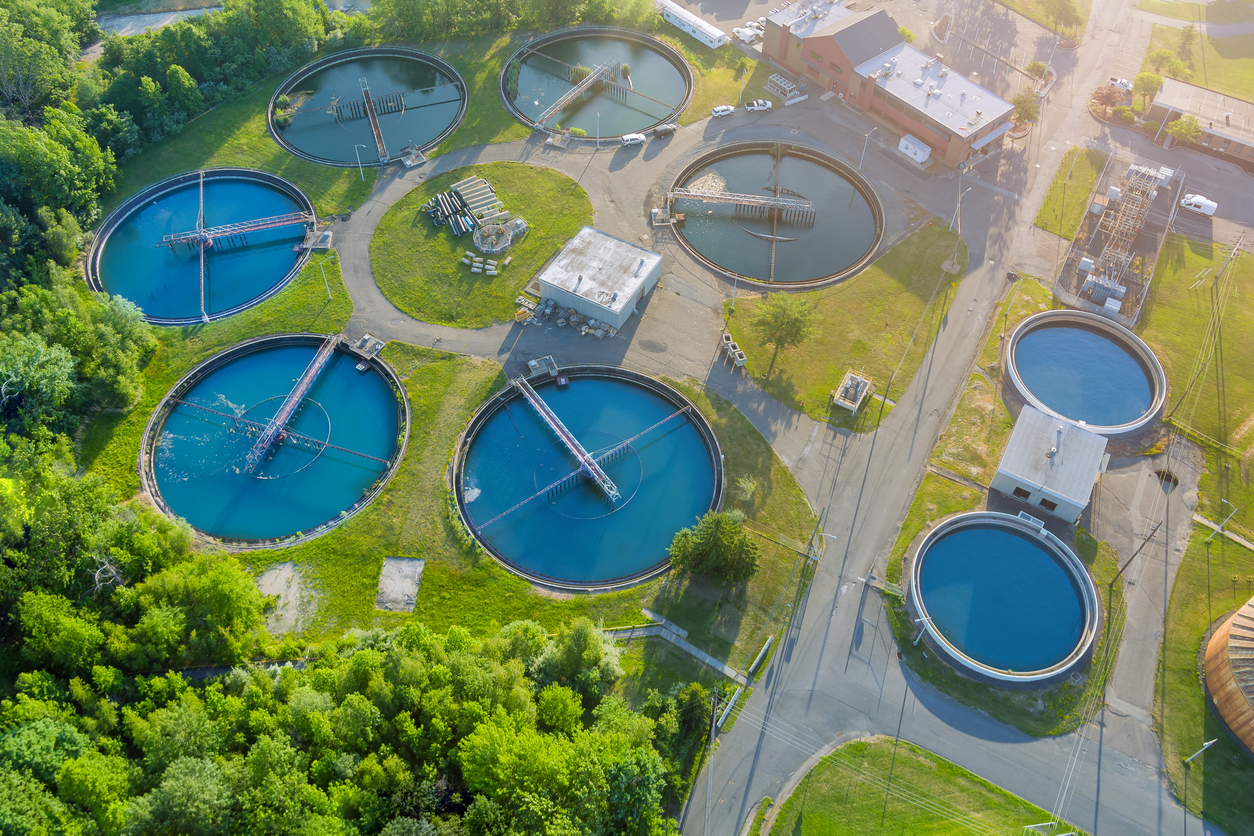
Understanding the Middle East Water Energy Nexus Emergency Funding
The Middle East water energy nexus emergency funding refers to financial mechanisms designed to address the interconnected challenges of water scarcity, energy production, and infrastructure resilience in the region. In the Middle East, water and energy systems are deeply linked: energy is required to desalinate and transport water, while water is essential for energy generation and cooling systems.
When disruptions occur—such as droughts, infrastructure damage, or geopolitical instability—both water and energy supply chains can be affected simultaneously. Emergency funding initiatives aim to provide rapid financial support for governments, utilities, and infrastructure operators to stabilize these systems.
For businesses involved in supply chains, commodities, and logistics, understanding how the Middle East water energy nexus emergency funding works is increasingly important. These programs influence infrastructure investments, procurement opportunities, and trade flows across the region.
Why the Middle East Water Energy Nexus Emergency Funding Is Necessary
Water scarcity is a structural challenge across the Middle East. Many countries rely heavily on desalination plants powered by fossil fuels or electricity-intensive processes. At the same time, rising populations and industrial demand are placing additional pressure on both water and energy systems.
Emergency funding mechanisms are necessary because crises can quickly disrupt essential services. For example:
-
Severe droughts can reduce freshwater availability and increase reliance on desalination.
-
Energy supply disruptions can affect water treatment and pumping facilities.
-
Infrastructure damage from conflict or extreme weather events can interrupt water and power networks.
Without access to emergency financing, governments and infrastructure operators may struggle to respond quickly. Middle East water energy nexus emergency funding allows rapid deployment of capital to repair facilities, expand capacity, or secure alternative supplies.
This funding often comes from international financial institutions, development banks, sovereign wealth funds, and regional cooperation initiatives.
Key Areas Supported by Middle East Water Energy Nexus Emergency Funding
Emergency funding programs typically target several critical areas where water and energy systems intersect.
Desalination Infrastructure and Energy Efficiency
Desalination plays a central role in regional water security. However, desalination facilities require large amounts of electricity or fuel. Funding initiatives often support upgrades that improve energy efficiency or integrate renewable energy sources.
Investments may include:
-
Solar-powered desalination plants
-
Upgraded membranes and filtration systems
-
Energy recovery technologies
-
Hybrid energy systems for desalination plants
These improvements help reduce operational costs while strengthening water supply resilience.
Water Distribution and Storage Systems
Even when water is produced efficiently, distribution networks can face significant losses. Aging pipelines, leakage, and inefficient pumping systems reduce overall supply reliability.
Middle East water energy nexus emergency funding can be directed toward:
-
Pipeline rehabilitation
-
Pumping station upgrades
-
Smart monitoring systems
-
Emergency water storage facilities
Strengthening distribution infrastructure ensures that water supplies remain stable during crises.
Energy Infrastructure Supporting Water Systems
Water treatment plants, desalination facilities, and irrigation systems depend on reliable power supply. Emergency funding often includes investments in backup power systems or grid stability improvements.
Examples include:
-
Emergency generators for water plants
-
Microgrids for critical infrastructure
-
Grid stabilization projects
-
Energy storage systems supporting water utilities
These measures reduce the risk of service disruptions during power shortages.
How Emergency Funding Impacts Trade and Supply Chains
The Middle East water energy nexus emergency funding programs have broader economic implications beyond infrastructure development. Large-scale investments create demand for equipment, materials, and services across international supply chains.
Products commonly required for funded projects include:
-
Industrial pumps and valves
-
Water treatment chemicals
-
Filtration membranes
-
Energy infrastructure components
-
Pipes and construction materials
For suppliers and distributors, this creates opportunities in regional procurement markets. However, navigating procurement requirements, compliance regulations, and cross-border logistics can be complex.
Companies that specialize in sourcing and distribution play a key role in ensuring that essential equipment reaches infrastructure projects efficiently.
Supply Chain and Logistics Challenges in Water and Energy Projects
Infrastructure projects funded through emergency programs often involve large volumes of technical equipment sourced from multiple countries. This creates several logistical challenges:
-
Import documentation and regulatory compliance
-
Coordinating shipments of specialized components
-
Managing time-sensitive project schedules
-
Ensuring reliable last-mile delivery
Delays in any part of the supply chain can slow infrastructure projects that are already operating under urgent timelines.
Working with experienced trade partners helps reduce these risks by ensuring procurement processes are managed efficiently and shipments are handled with proper documentation and coordination.
Supporting Regional Infrastructure Through Strategic Trade Partnerships
Companies engaged in water and energy infrastructure projects often rely on international suppliers for specialized equipment and materials. Effective sourcing and distribution networks are essential for ensuring that projects funded under Middle East water energy nexus emergency funding initiatives move forward smoothly.
Trade and logistics partners can support these projects by:
-
Sourcing industrial equipment from verified global manufacturers
-
Managing cross-border import processes
-
Coordinating bulk procurement and distribution
-
Handling freight, warehousing, and last-mile delivery
Wigmore Trading works with manufacturers, suppliers, and infrastructure developers to streamline procurement and logistics for large-scale industrial projects. By supporting reliable sourcing and efficient distribution, companies can maintain project timelines and ensure critical materials reach their destination.
Conclusion
The Middle East water energy nexus emergency funding initiatives are becoming increasingly important as the region faces growing water scarcity, energy demands, and infrastructure pressures. These funding programs provide rapid financial support for projects that strengthen the resilience of water and energy systems.
Investments in desalination, water distribution networks, and energy infrastructure are essential for maintaining stable supplies and supporting long-term economic development. As these projects expand, international supply chains and logistics networks will play a crucial role in delivering the equipment and materials required.
Wigmore Trading supports businesses and infrastructure projects by helping streamline sourcing, distribution, and logistics across global supply chains.
Contact Wigmore Trading today to streamline your sourcing.




Comments are closed.