

How to Start a Cocoa Grinding Factory in Nigeria

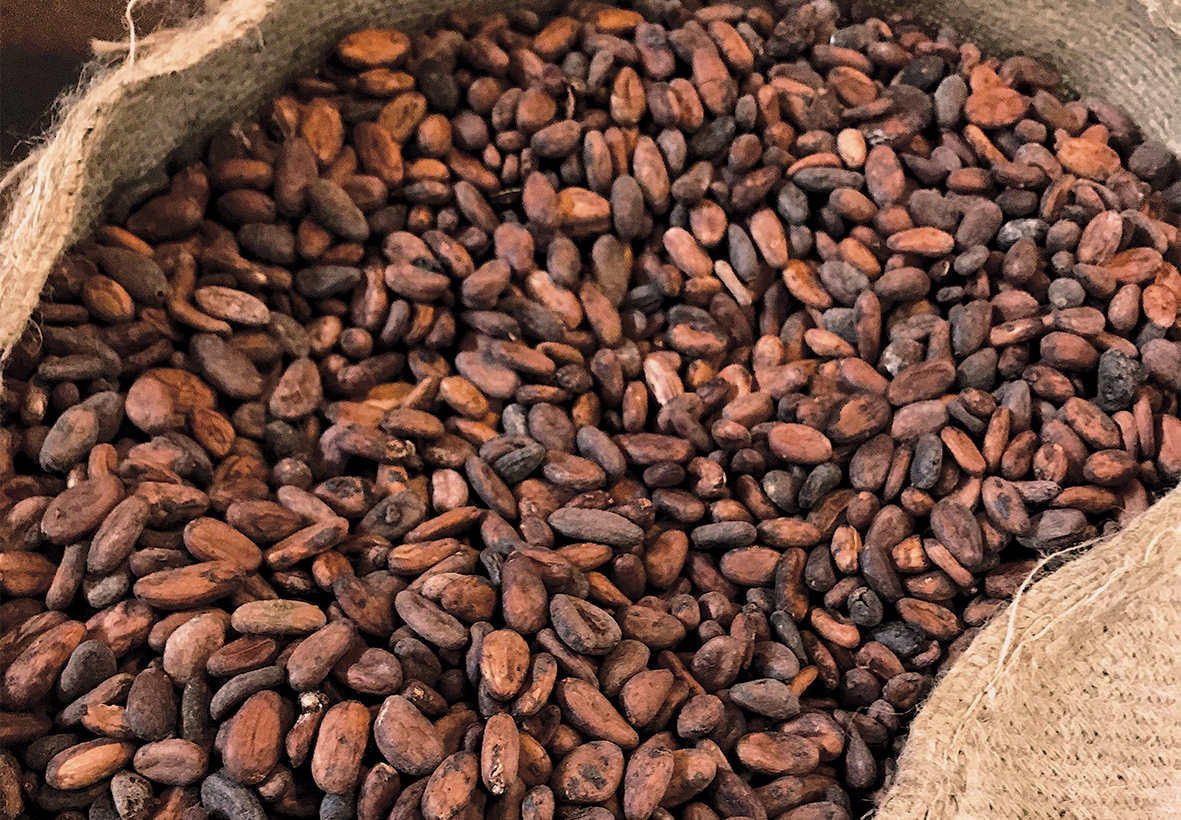
Nigeria is one of the world’s major cocoa producers, yet a significant portion of its cocoa beans are exported without value addition. Establishing a cocoa grinding factory allows businesses to process cocoa beans into higher-value products such as cocoa liquor, cocoa butter, and cocoa powder for export. For investors and agribusiness entrepreneurs, understanding how to start a cocoa grinding factory in Nigeria can open opportunities in global cocoa markets while supporting local processing capacity.
Understanding Cocoa Grinding and Processing
Cocoa grinding is the industrial process of transforming fermented and dried cocoa beans into semi-finished cocoa products. These products are widely used by chocolate manufacturers, food companies, and beverage producers.
The typical processing stages include:
-
Cleaning and sorting: Removing debris and defective beans.
-
Roasting: Enhancing flavour and reducing moisture.
-
Cracking and winnowing: Separating cocoa nibs from shells.
-
Grinding: Converting nibs into cocoa liquor (cocoa mass).
-
Pressing: Extracting cocoa butter from liquor.
-
Powder production: Grinding the remaining cake into cocoa powder.
This process forms the foundation of cocoa powder production for export in Africa, allowing processors to sell finished ingredients rather than raw agricultural commodities.
Conducting Market and Feasibility Research
Before launching a cocoa grinding operation, it is essential to conduct a thorough feasibility study. This helps determine production capacity, equipment requirements, and export opportunities.
Key factors to evaluate include:
-
Global demand for cocoa powder and butter
-
Local availability of cocoa beans
-
Processing costs and equipment investment
-
Export market regulations and quality standards
Nigeria’s proximity to cocoa-producing regions such as Ondo, Cross River, and Ekiti provides an advantage for processors seeking reliable raw material supply.
Securing Cocoa Bean Supply
Consistent access to high-quality cocoa beans is critical for successful processing. Cocoa grinding factories typically source beans from:
-
Farmer cooperatives
-
Commodity aggregators
-
Licensed buying agents
-
Commodity exchanges
Reliable sourcing helps maintain product consistency and meet export quality standards.
Companies involved in commodity sourcing and agricultural supply chains, such as Wigmore Trading, often assist processors by facilitating procurement networks, quality inspection, and logistics coordination for cocoa supply.
Choosing the Right Location
Location plays a significant role in production efficiency. Ideally, a cocoa grinding factory should be located close to:
-
Cocoa-producing regions
-
Transport infrastructure (ports, highways)
-
Reliable power supply
-
Export logistics hubs
Many Nigerian cocoa processors operate near Lagos due to the city’s port infrastructure, which supports efficient export of processed cocoa products.
Equipment and Factory Setup
Setting up a cocoa grinding facility requires specialized processing equipment. Core machinery includes:
-
Cocoa bean cleaning machines
-
Roasters
-
Cocoa nib grinders
-
Cocoa butter presses
-
Powder milling equipment
-
Packaging systems
Production capacity varies widely depending on investment size. Smaller facilities may process several thousand tons annually, while industrial-scale plants handle significantly larger volumes.
Working with experienced sourcing and industrial procurement partners such as Wigmore Trading can help businesses identify reliable equipment suppliers and manage import logistics for processing machinery.
Regulatory Compliance and Export Requirements
Cocoa processors in Nigeria must comply with several regulatory requirements. These may include:
-
Business registration with the Corporate Affairs Commission (CAC)
-
Food safety compliance with NAFDAC
-
Export certification from the Nigerian Export Promotion Council (NEPC)
-
Quality standards for international buyers
Meeting these requirements ensures cocoa powder and other processed products are accepted in international markets.
Exporters must also follow proper documentation and shipping procedures. Logistics partners experienced in African trade, such as Wigmore Trading, can support export documentation, customs clearance, and international freight coordination.
Developing Export Markets
Processed cocoa products are widely exported to Europe, North America, and Asia, where they are used by chocolate manufacturers and food processors.
To successfully export cocoa powder and butter, companies should:
-
Build relationships with international buyers
-
Maintain consistent quality standards
-
Ensure traceability and proper documentation
-
Develop efficient shipping and logistics systems
Export-focused processors benefit from integrated supply chain support covering sourcing, warehousing, and international distribution.
Conclusion
Learning how to start a cocoa grinding factory in Nigeria requires careful planning, reliable cocoa sourcing, proper equipment, and compliance with export standards. With growing global demand for cocoa ingredients, value-added processing offers significant opportunities for Nigerian agribusiness investors while supporting cocoa powder production for export in Africa.
However, managing raw material sourcing, logistics, and export compliance can be complex. Working with experienced trade partners helps simplify these challenges and ensures smoother operations across the supply chain.
Wigmore Trading can help. Contact Wigmore Trading today to streamline your sourcing.






Comments are closed.