
Electric Fence Installation in Nigeria: A Practical Guide for Businesses and Property Owners
Talk to us about this service
Trade, import, logistics, sourcing — whatever you're planning, the fastest way to a quote is a WhatsApp message. Our team replies during Lagos business hours.
WhatsApp usYour message tells us which page you came from
Security remains a critical concern for businesses and property owners across Nigeria. From warehouses and logistics hubs to residential estates and industrial facilities, protecting assets and maintaining controlled access is essential. One increasingly effective solution is electric fence installation in Nigeria, which offers a reliable layer of perimeter security when properly designed and maintained.
This article explores how electric fencing works, its benefits, key considerations, and how businesses can implement it efficiently.
Understanding Electric Fence Installation in Nigeria
Electric fencing is a security system that delivers short, non-lethal pulses of electricity through wires mounted along a perimeter. When touched, the fence emits a shock that deters intruders without causing lasting harm.
In Nigeria, electric fences are commonly used for:
- Industrial sites and factories
- Warehouses and logistics centers
- Farms and agricultural estates
- Residential compounds and gated communities
The system typically includes energizers, high-tensile wires, insulators, warning signs, and a power source (either mains electricity or solar backup).
Why Electric Fence Systems Are Growing in Nigeria
1. Enhanced Perimeter Security
Electric fences provide a visible and psychological deterrent. Unlike traditional walls or barbed wire, they actively discourage intrusion through immediate feedback.
2. Cost-Effective Long-Term Solution
While initial installation costs can be higher than passive barriers, electric fences require relatively low maintenance and offer long-term value.
3. Scalability for Commercial Use
Businesses can expand electric fencing systems as their operations grow, making them suitable for warehouses, ports, and distribution centers.
4. Integration with Modern Security Systems
Electric fences can be integrated with alarms, CCTV systems, and access control technologies, providing a layered security approach.
Key Components of Electric Fence Installation
A successful electric fence installation in Nigeria depends on the correct selection and installation of components:
- Energizer: Converts power into electrical pulses
- Fence wires: Conduct electricity along the perimeter
- Insulators: Prevent current leakage
- Earth system: Ensures effective shock delivery
- Monitoring system: Alerts users of tampering or faults
Proper grounding is particularly important in Nigeria due to varying soil conditions, which can affect system efficiency.
Regulatory and Safety Considerations
Electric fencing in Nigeria must comply with safety standards to ensure it is non-lethal and properly marked. Important considerations include:
- Installation by qualified professionals
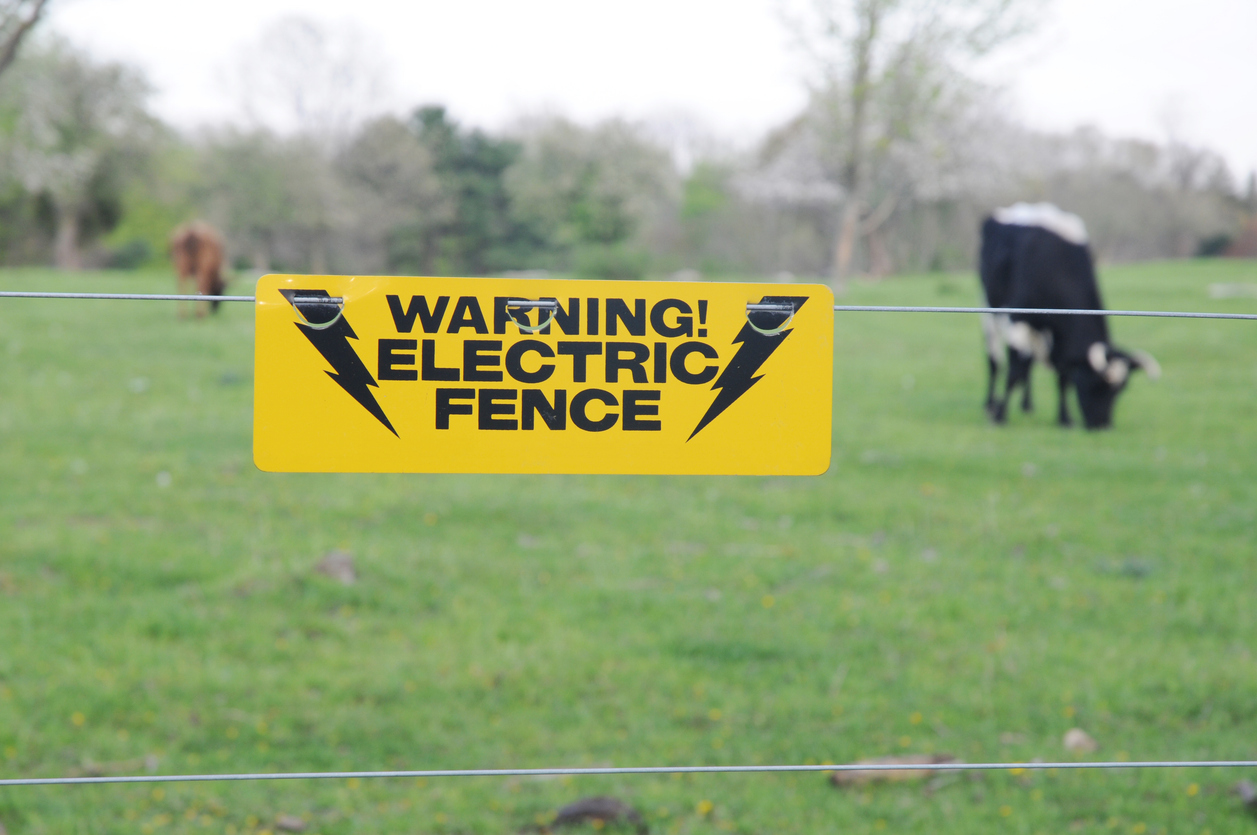
- Use of warning signage along the fence
- Compliance with local electrical safety regulations
- Proper voltage control to prevent excessive current
Failure to meet these standards can result in legal and safety risks.
Challenges in Electric Fence Installation in Nigeria
Power Supply Reliability
Frequent power outages can disrupt electric fence performance. Many installations now incorporate solar-powered energizers or battery backups to ensure continuous operation.
Environmental Factors
Heavy rainfall, vegetation growth, and dust can affect system efficiency. Regular maintenance is required to keep the fence functioning properly.
Quality of Materials
Using substandard components can lead to system failure. Sourcing high-quality materials is essential for durability and reliability.
How Businesses Can Optimise Electric Fence Installation
For companies operating in logistics, FMCG distribution, or import/export, security is directly linked to operational efficiency. To maximise value from electric fencing:
- Conduct a professional site assessment before installation
- Choose scalable systems that can grow with your operations
- Integrate fencing with surveillance and alarm systems
- Schedule routine inspections and maintenance
Working with experienced suppliers and logistics partners ensures access to compliant, high-quality equipment.
The Role of Reliable Supply Chains in Security Infrastructure
Sourcing the right components for electric fence installation in Nigeria can be challenging due to inconsistent supply chains and varying product standards.
This is where companies like Wigmore Trading play a role. By supporting businesses with reliable sourcing, importation, and distribution of security equipment, they help ensure that installations meet quality and compliance requirements. Additionally, efficient logistics coordination reduces delays in project execution.
Conclusion
Electric fence installation in Nigeria is an effective and scalable solution for securing properties across multiple industries. When properly implemented, it enhances perimeter protection, integrates with modern security systems, and offers long-term cost efficiency.
However, success depends on using high-quality materials, adhering to safety standards, and maintaining consistent system performance. Businesses that invest in professional installation and reliable supply chains are better positioned to protect their assets and operations.
Wigmore Trading can help. Contact Wigmore Trading today to streamline your sourcing.
No Comments Yet.




Comments are closed.