
Finding a Reliable Food Price Supplier in Nigeria: What Businesses Need to Know

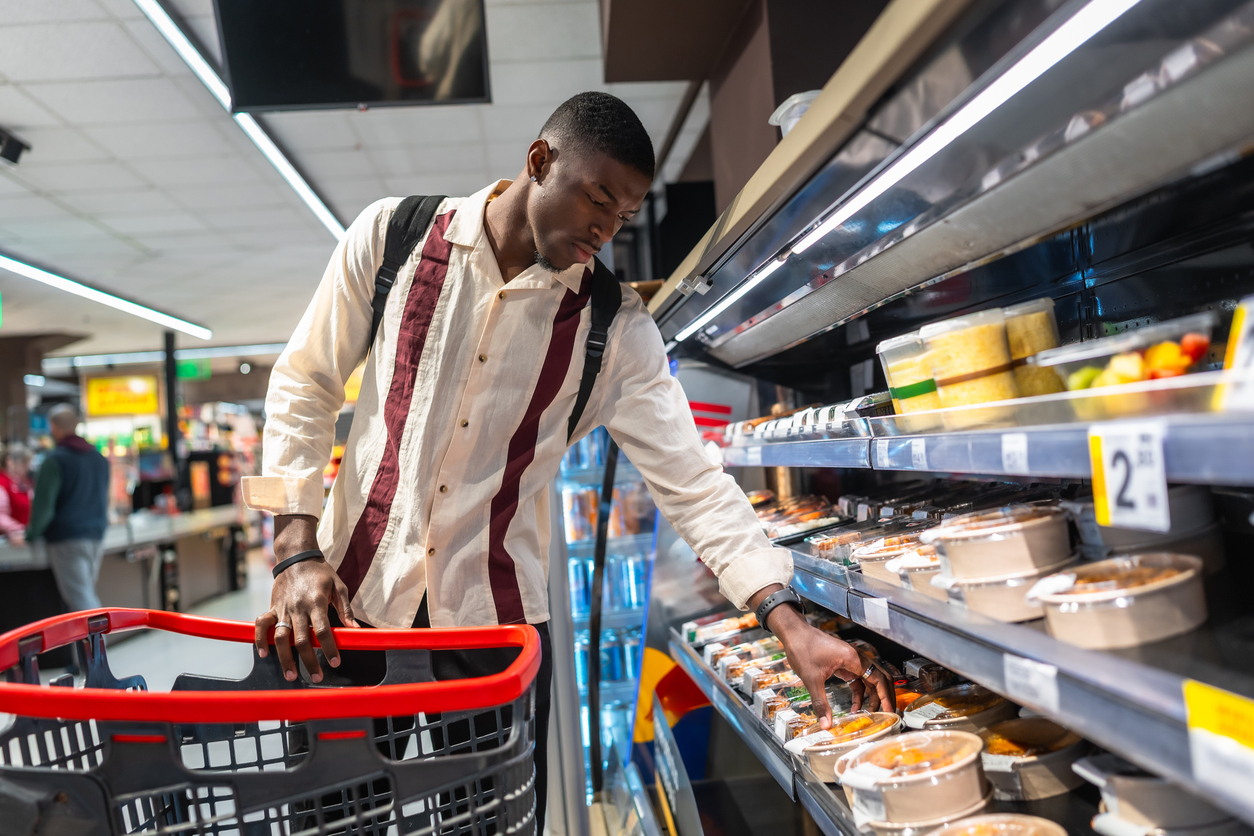
Nigeria’s food supply chain plays a critical role in supporting retail, hospitality, manufacturing, and wholesale sectors. However, sourcing consistent, competitively priced food products remains a challenge for many businesses. Identifying a dependable food price supplier in Nigeria is essential for maintaining margins, ensuring product quality, and avoiding supply disruptions.
This article explores how businesses can navigate the market, key considerations when choosing suppliers, and how structured partnerships can improve procurement outcomes.
Understanding the Nigerian Food Supply Market
Nigeria’s food distribution landscape is highly fragmented. Suppliers range from small-scale traders in open markets to large-scale distributors and importers. Prices often fluctuate due to:
- Seasonal availability of agricultural products
- Exchange rate volatility affecting imports
- Logistics and transportation constraints
- Storage and preservation limitations
For businesses, this means that working with an unstructured supplier can lead to inconsistent pricing, delayed deliveries, and quality issues. A reliable food price supplier in Nigeria should provide stability despite these market challenges.
Key Qualities of a Reliable Food Price Supplier in Nigeria
When selecting a supplier, businesses should prioritise the following factors:
1. Price Transparency and Consistency
Suppliers should offer clear pricing structures and minimise unexpected fluctuations. While some variability is unavoidable, consistent communication and forward pricing agreements can help businesses plan effectively.
2. Product Quality Assurance
Food safety and quality are critical, especially for FMCG distributors and hospitality businesses. Suppliers should have proper storage facilities, quality checks, and traceable sourcing practices.
3. Strong Logistics and Distribution Capabilities
Efficient delivery systems reduce delays and spoilage. A supplier with established logistics networks can ensure timely delivery across Nigeria, including hard-to-reach regions.
4. Wide Product Range
A dependable supplier should offer a broad portfolio—grains, packaged foods, oils, beverages, and other essentials—allowing businesses to consolidate sourcing and reduce operational complexity.
5. Compliance with Regulatory Standards
Suppliers must adhere to Nigerian food safety regulations and import requirements where applicable. This is particularly important for businesses involved in large-scale distribution or export.
Common Challenges Businesses Face
Even experienced procurement teams encounter issues when sourcing food products in Nigeria:
- Price volatility: Sudden increases can disrupt budgeting and pricing strategies
- Supply inconsistency: Stockouts or unreliable delivery schedules
- Quality variation: Differences in product standards between batches
- Fragmented supplier base: Managing multiple vendors increases complexity
These challenges highlight the need for structured sourcing solutions rather than relying solely on informal market networks.
How Strategic Partnerships Improve Sourcing
Working with an established supply chain partner can significantly improve procurement efficiency. Instead of dealing with multiple small vendors, businesses benefit from:
- Centralised sourcing and procurement
- Better negotiation power for competitive pricing
- Streamlined logistics and inventory management
- Reduced operational risk
Wigmore Trading, for example, supports businesses by connecting them with reliable suppliers and managing key aspects of the supply chain. This includes sourcing, quality control, and distribution—helping companies secure stable pricing and consistent supply.
The Role of Importation in Food Pricing
Nigeria relies on imports for several food categories, including wheat, rice (in certain cases), and processed goods. A competent food price supplier in Nigeria often integrates import channels into their operations.
This provides advantages such as:
- Access to a wider range of products
- More stable pricing for certain commodities
- Improved product standardisation
However, importation requires expertise in customs clearance, documentation, and compliance. Businesses that partner with experienced trading companies can navigate these complexities more efficiently.
Technology and Data in Supplier Selection
Modern procurement increasingly relies on data-driven decision-making. Businesses should evaluate suppliers based on:
- Historical pricing trends
- Delivery performance metrics
- Inventory availability
- Supplier reliability scores
Digitised supply chains enable better forecasting and reduce the risks associated with manual processes. Suppliers who leverage technology are generally more reliable and transparent.
Choosing the Right Food Price Supplier in Nigeria
To make the right decision, businesses should:
- Conduct due diligence on supplier track records
- Request samples and verify quality standards
- Evaluate logistics capabilities and delivery timelines
- Compare pricing structures across multiple suppliers
- Consider long-term partnership potential rather than short-term cost savings
Partnering with a structured trading and distribution company can simplify this process. Wigmore Trading works with businesses across Nigeria to ensure access to trusted suppliers, efficient logistics, and compliant sourcing practices.
Conclusion
Finding a dependable food price supplier in Nigeria is a critical step for businesses operating in food-related industries. With market volatility, logistical challenges, and quality concerns, relying on informal sourcing methods can lead to inefficiencies and risk.
By focusing on transparency, quality assurance, and strong logistics—and by leveraging experienced partners—businesses can build more resilient supply chains and maintain consistent operations.
Wigmore Trading can help. Contact Wigmore Trading today to streamline your sourcing.






Comments are closed.