
Navigating Third-Country Trade Routes: Accessing Cuba Suppliers Efficiently


Introduction
Trading with Cuba presents unique opportunities, particularly in sectors such as agriculture, pharmaceuticals, and FMCG. However, due to longstanding trade restrictions and regulatory complexities, many businesses rely on third-country trade routes to access Cuba suppliers. These indirect channels allow companies to source goods while remaining compliant with international regulations.
Understanding how third-country trade routes function—and how to manage them effectively—is essential for importers, distributors, and logistics providers operating in Africa and beyond.
Understanding Third-Country Trade Routes for Cuba Suppliers
Third-country trade routes involve conducting business with Cuba through an intermediary country. Instead of direct transactions, goods are sourced, processed, or re-exported via a neutral or compliant jurisdiction.
For example, a business in Nigeria may source Cuban goods through suppliers or distributors based in Europe, Asia, or Latin America. These intermediaries handle documentation, compliance, and sometimes value-added processing before the goods are shipped to the final destination.
This approach helps businesses:
- Navigate international sanctions and trade restrictions
- Access a broader supplier network
- Reduce regulatory risk
- Ensure smoother logistics and payment processes
Key Challenges When Sourcing from Cuba via Third Countries
While third-country trade routes offer flexibility, they also introduce operational and compliance challenges.
Regulatory Complexity
Cuba remains subject to various international trade regulations. Businesses must ensure that transactions comply with applicable laws in all jurisdictions involved, including the intermediary country.
Failure to meet compliance standards can result in shipment delays, financial penalties, or reputational risks.
Supply Chain Visibility
Using intermediaries can reduce transparency across the supply chain. Businesses may face difficulties tracking product origin, verifying supplier credentials, or ensuring consistent quality.
Payment and Currency Constraints
Financial transactions involving Cuba can be complicated due to banking restrictions. Payments often require routing through approved financial institutions in third countries, which can increase costs and processing times.
Logistics Coordination
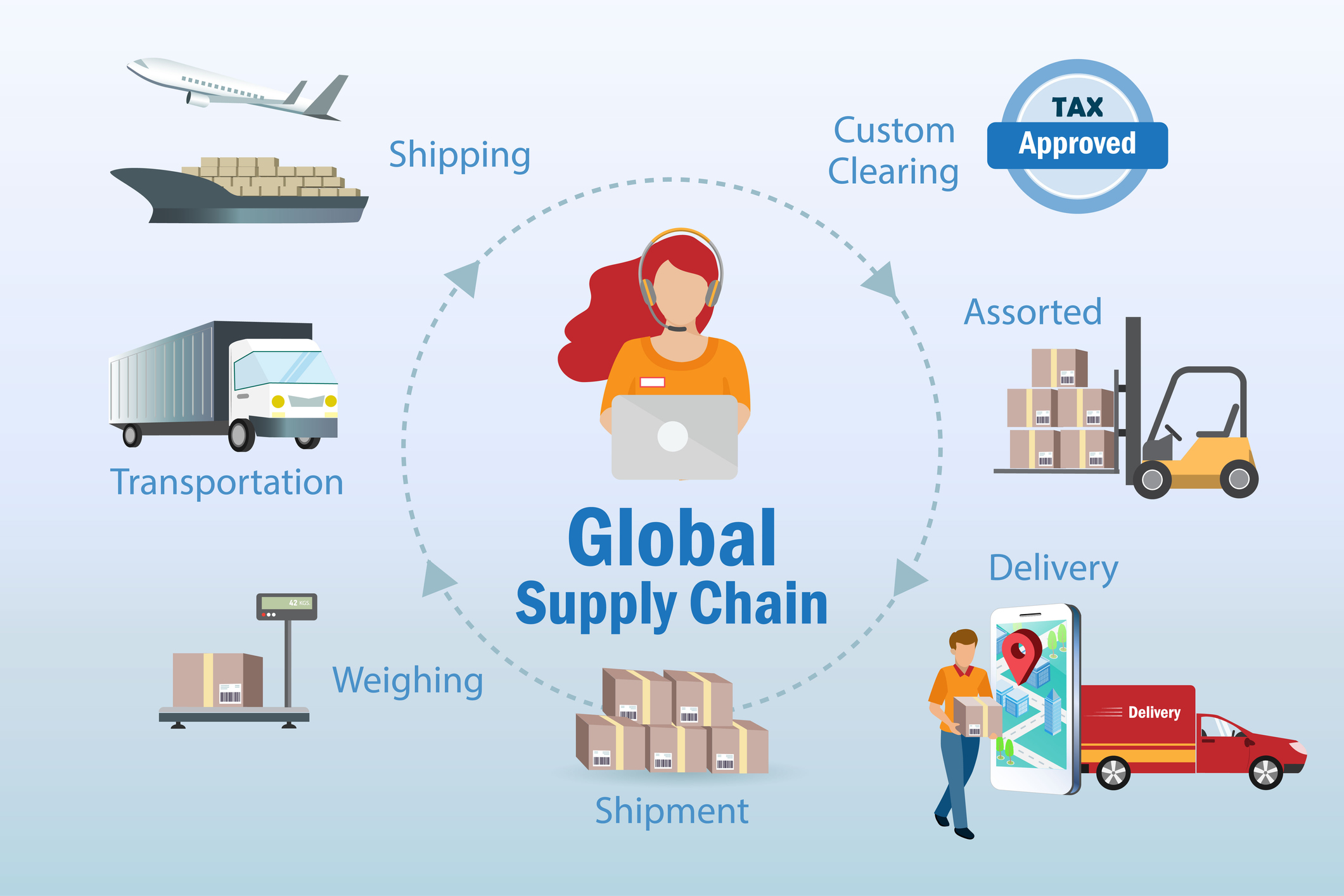
Coordinating shipments across multiple countries adds complexity. Businesses must manage customs clearance, documentation, and transit timelines across different regulatory environments.
Best Practices for Managing Third-Country Trade Routes Cuba Suppliers
To successfully navigate these challenges, businesses should adopt structured and compliant sourcing strategies.
1. Partner with Verified Intermediaries
Working with reputable suppliers or distributors in third countries is critical. These partners should have:
- Proven experience in handling Cuba-related trade
- Strong compliance frameworks
- Transparent documentation processes
Due diligence is essential to avoid risks associated with unreliable intermediaries.
2. Prioritise Compliance and Documentation
Accurate documentation is a cornerstone of successful third-country trade. Businesses should ensure:
- Proper certificates of origin
- Export and import permits
- Compliance with international trade regulations
Maintaining clear records helps streamline customs clearance and reduces the risk of disruptions.
3. Strengthen Supply Chain Visibility
Implementing tracking systems and regular audits can improve transparency. Businesses should:
- Monitor shipment progress in real time
- Verify product quality at each stage
- Maintain clear communication with all stakeholders
This ensures consistency and reduces the likelihood of supply chain inefficiencies.
4. Optimise Logistics Planning
Efficient logistics planning can significantly reduce delays and costs. This includes:
- Selecting optimal transit routes
- Consolidating shipments where possible
- Coordinating with experienced freight forwarders
A well-structured logistics strategy is particularly important when dealing with multiple jurisdictions.
The Role of Wigmore Trading in Third-Country Trade Routes
Navigating third-country trade routes for Cuba suppliers requires expertise in sourcing, compliance, and logistics. Wigmore Trading supports businesses by providing structured solutions across the supply chain.
Sourcing and Supplier Verification
Wigmore Trading helps identify and verify reliable intermediaries and suppliers in compliant jurisdictions. This reduces the risk of working with unverified partners and ensures consistent product quality.
Logistics and Distribution Support
With experience in international trade and African distribution networks, Wigmore Trading assists in coordinating shipments, managing customs processes, and optimising delivery timelines.
Compliance and Documentation Management
Ensuring compliance across multiple jurisdictions can be complex. Wigmore Trading supports businesses in managing documentation, adhering to regulatory requirements, and maintaining transparency throughout the process.
End-to-End Supply Chain Coordination
From sourcing to final delivery, Wigmore Trading provides integrated support, helping businesses streamline operations and minimise disruptions when trading through third countries.
Opportunities in Third-Country Trade with Cuba
Despite the challenges, third-country trade routes open access to valuable Cuban exports, including:
- Agricultural products such as sugar, coffee, and tobacco
- Pharmaceutical and biotech products
- Raw materials for industrial use
For African importers and distributors, these goods can offer diversification opportunities and access to niche markets.
By leveraging structured trade routes and experienced partners, businesses can tap into these opportunities while maintaining compliance and operational efficiency.
Conclusion
Third-country trade routes provide a practical pathway for accessing Cuba suppliers in a complex regulatory environment. While these routes introduce challenges in compliance, logistics, and transparency, they can be effectively managed with the right strategies and partners.
Businesses that prioritise due diligence, strong logistics planning, and regulatory compliance are better positioned to succeed in this space.
Wigmore Trading can help. Contact Wigmore Trading today to streamline your sourcing.





Comments are closed.