

Expanding Access to Healthcare: Sourcing Low-Cost Medical Equipment for Developing Countries

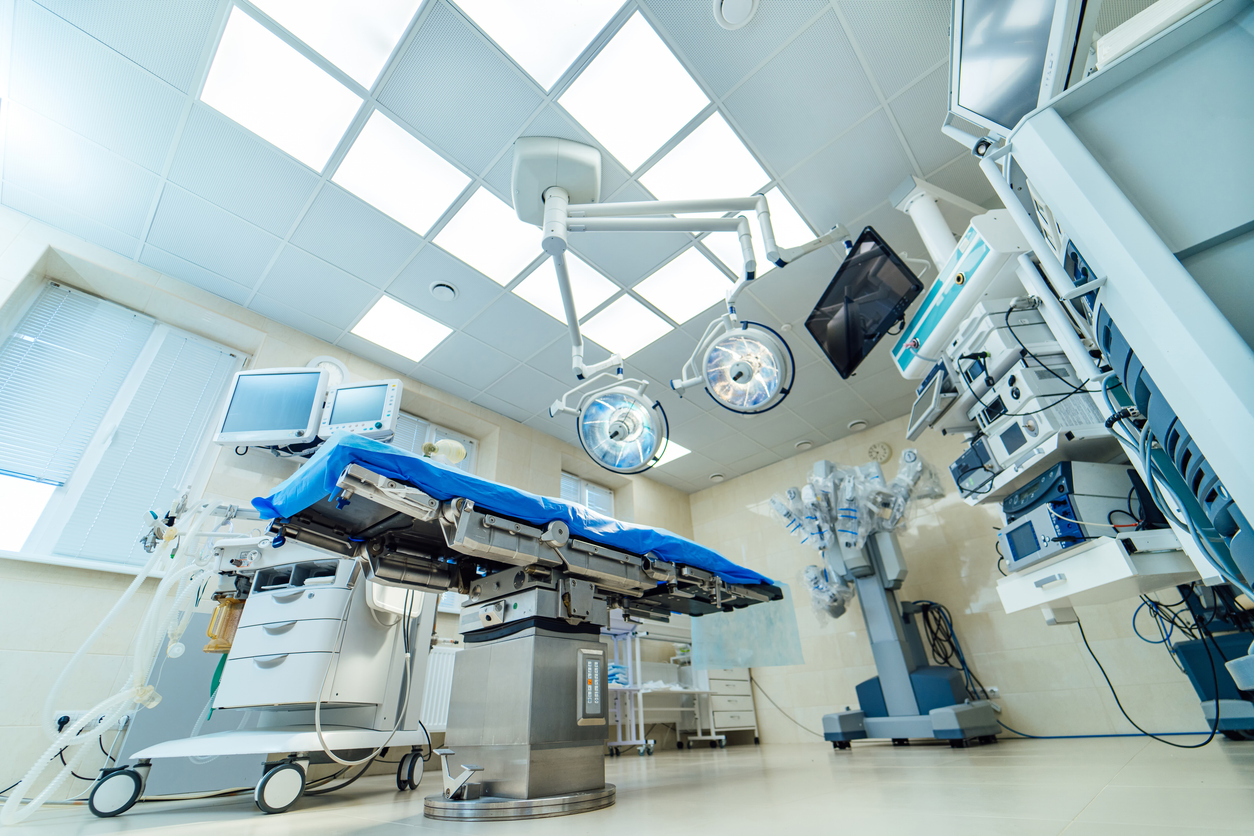
Access to reliable and affordable healthcare equipment remains one of the most pressing challenges across developing countries. Hospitals, clinics, and healthcare providers often operate with limited budgets, making it difficult to procure essential medical devices. As demand for quality healthcare grows, the need for low-cost medical equipment for developing countries has become increasingly critical.
This article explores the key challenges, sourcing strategies, and practical solutions for businesses, NGOs, and governments looking to improve healthcare infrastructure through cost-effective procurement.
Understanding the Demand for Low-Cost Medical Equipment for Developing Countries
Healthcare systems in many developing regions face a combination of funding constraints, supply chain inefficiencies, and inconsistent access to reliable suppliers. Medical facilities often require equipment such as diagnostic tools, hospital beds, surgical instruments, and basic monitoring devices—but at significantly lower costs than those in developed markets.
The challenge is not just affordability. Equipment must also meet quality standards, be durable in demanding environments, and come with accessible maintenance support. Without these factors, low-cost solutions can quickly become ineffective or unsafe.
Key Challenges in Procurement and Distribution
1. Limited Access to Verified Suppliers
Buyers often struggle to identify trustworthy manufacturers offering compliant and affordable equipment. The global market is vast, and navigating it without proper due diligence can lead to substandard purchases.
2. Regulatory and Compliance Barriers
Medical equipment must meet strict regulatory requirements. Importers need to ensure compliance with both international standards and local health regulations, which can vary significantly between countries.
3. Logistics and Infrastructure Constraints
Transporting sensitive medical equipment into regions with underdeveloped infrastructure can increase costs and risks. Delays, damage, and customs complications are common issues.
4. Maintenance and After-Sales Support
Even when equipment is affordable upfront, lack of spare parts or technical support can lead to long-term operational challenges.
Strategies for Sourcing Affordable Medical Equipment
Partnering with Reliable Global Suppliers
Working with established suppliers who specialise in emerging markets is essential. These suppliers often offer cost-effective alternatives without compromising on essential quality standards.
Bulk Purchasing and Consolidation
Buying in bulk can significantly reduce unit costs. Consolidating shipments also helps optimise logistics expenses, particularly when importing into regions with high freight costs.
Considering Refurbished Equipment
In some cases, certified refurbished equipment can provide a viable and cost-effective solution. When sourced from reputable vendors, refurbished items can meet performance standards at a fraction of the cost.
Leveraging Local Distribution Networks
Establishing partnerships with local distributors ensures faster delivery, easier maintenance, and better adaptation to regional requirements.
The Role of Efficient Supply Chains
A well-managed supply chain is critical when sourcing low-cost medical equipment for developing countries. Efficient coordination between manufacturers, logistics providers, and local stakeholders helps reduce delays and ensures equipment arrives in usable condition.
This is where experienced trading and logistics partners play an important role. Companies like Wigmore Trading support businesses and organisations by streamlining sourcing, handling supplier verification, and managing complex import processes. By leveraging established networks, buyers can reduce risk while maintaining cost efficiency.
Ensuring Quality While Managing Costs
Affordability should never come at the expense of safety. To balance cost and quality, buyers should:
- Verify supplier certifications and product standards
- Request product samples or technical specifications
- Conduct third-party inspections where necessary
- Ensure warranty and support agreements are in place
These steps help prevent costly mistakes and ensure that equipment remains functional over time.
Opportunities in African Healthcare Markets
Africa presents significant opportunities for investment in healthcare infrastructure. Rapid population growth and urbanisation are increasing demand for accessible medical services. Governments and private sector players are actively seeking solutions to bridge gaps in equipment availability.
Importers and distributors who can reliably supply low-cost medical equipment are well-positioned to support this growth. However, success depends on understanding local market conditions, regulatory frameworks, and logistical realities.
Working with an experienced partner like Wigmore Trading can simplify this process. From sourcing and procurement to shipping and customs clearance, businesses can benefit from tailored solutions designed for African markets.
Conclusion
Sourcing low-cost medical equipment for developing countries requires a careful balance of affordability, quality, and logistical efficiency. While challenges such as supplier verification, compliance, and infrastructure limitations persist, they can be effectively managed with the right strategies and partnerships.
By focusing on reliable sourcing, efficient supply chains, and long-term sustainability, organisations can significantly improve healthcare access in underserved regions.
Wigmore Trading can help. Contact Wigmore Trading today to streamline your sourcing.






Comments are closed.