

Building Reliable Water Purification Systems for Island Nations: Challenges, Solutions, and Supply Chain Strategies

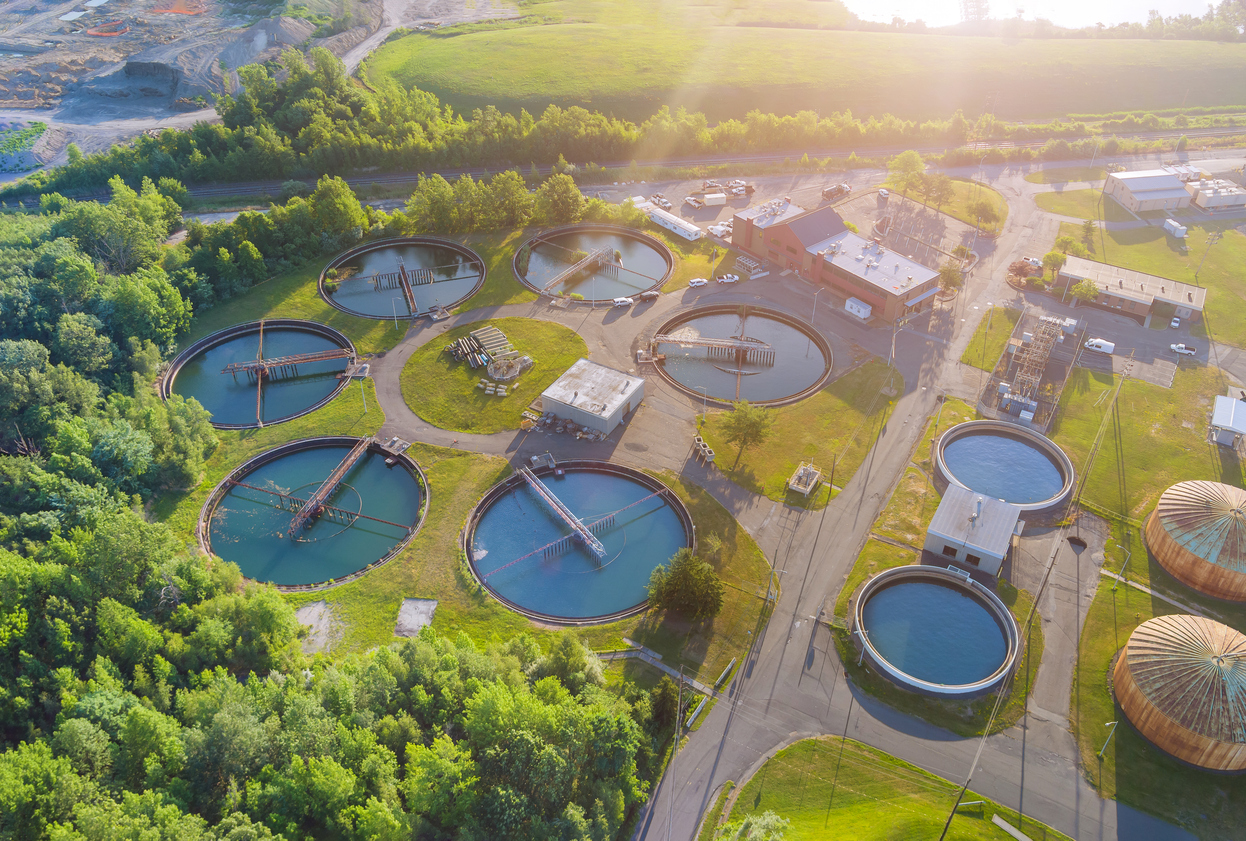
Island nations face unique water security challenges that make access to safe, potable water both critical and complex. With limited freshwater resources, dependence on rainfall, and vulnerability to climate change, investing in efficient water purification systems for island nations is no longer optional—it is essential for public health, economic stability, and long-term resilience.
This article explores the key challenges island nations encounter, the most effective purification technologies, and how strategic sourcing and logistics can ensure sustainable water solutions.
Understanding Water Scarcity in Island Environments
Many island nations lack large rivers or groundwater reserves. Instead, they rely heavily on rainwater harvesting, desalination, and imported water solutions. However, these sources are often inconsistent or expensive.
Saltwater intrusion, caused by rising sea levels, further contaminates freshwater supplies. In addition, infrastructure limitations and high transportation costs make it difficult to deploy and maintain advanced purification systems.
These constraints create a pressing need for scalable, efficient, and durable purification technologies tailored to island conditions.
Key Challenges in Deploying Water Purification Systems for Island Nations
High Transportation and Logistics Costs
Transporting bulky equipment such as filtration units, pipes, and storage tanks to remote islands significantly increases project costs. Limited port infrastructure can also delay delivery timelines.
Energy Constraints
Many purification systems, particularly desalination plants, require substantial energy input. Island nations often rely on imported fuel, making energy-intensive solutions costly and unsustainable.
Maintenance and Technical Expertise
Advanced systems require skilled personnel for installation, operation, and maintenance. In many cases, island communities lack access to trained technicians or spare parts.
Environmental Considerations
Improper disposal of brine from desalination or chemical waste from treatment processes can harm fragile marine ecosystems, which are vital to island economies.
Effective Technologies for Water Purification
To address these challenges, several technologies have proven effective when adapted to island contexts.
Reverse Osmosis Desalination
Reverse osmosis (RO) is one of the most widely used methods for converting seawater into drinking water. Modern systems are becoming more energy-efficient and compact, making them suitable for smaller island communities.
Solar-Powered Purification Systems
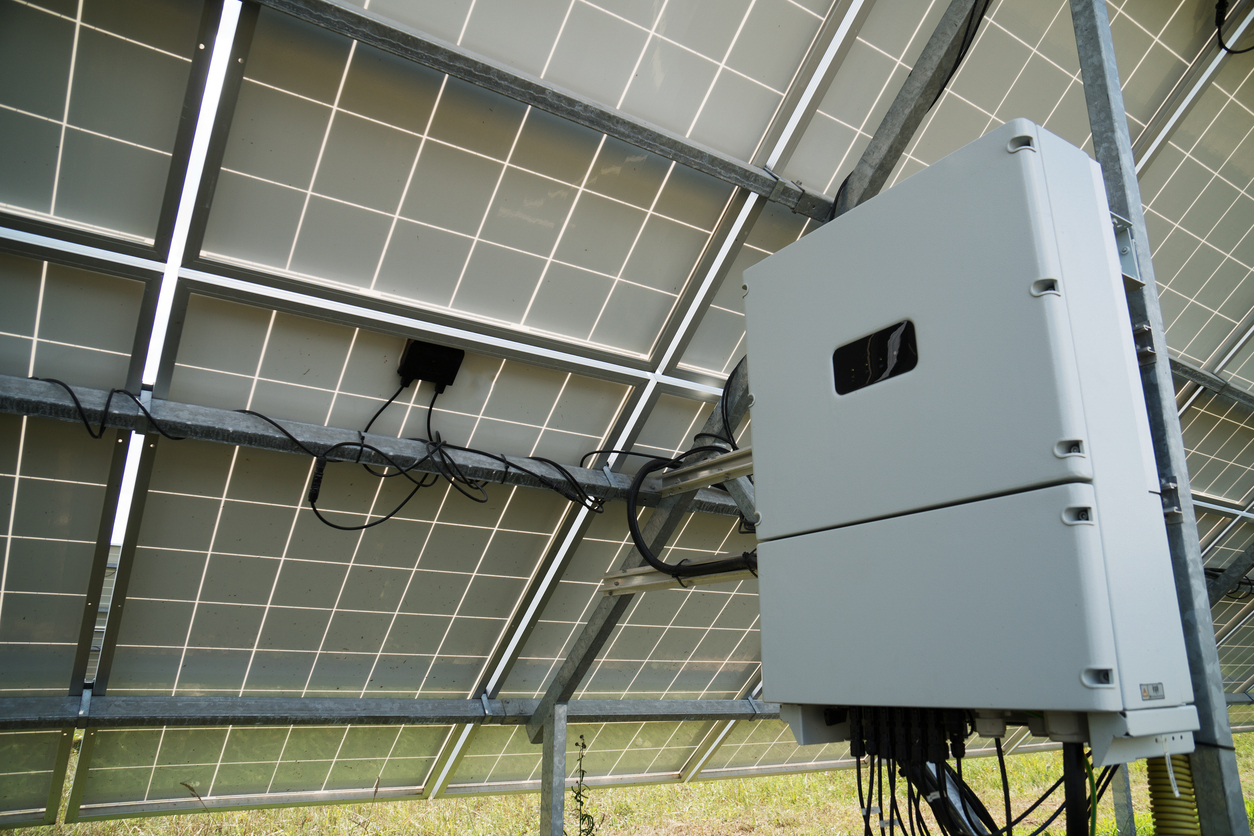
Solar-powered filtration units offer a sustainable solution by reducing reliance on imported fuel. These systems are particularly effective in tropical regions with abundant sunlight.
Ultraviolet (UV) and Ultrafiltration Systems
UV and ultrafiltration technologies are ideal for treating rainwater and surface water. They are relatively low-maintenance and can be deployed at both community and household levels.
Modular and Mobile Systems
Portable purification units provide flexibility for emergency response and remote locations. These systems can be scaled up or down depending on demand, making them a practical option for island nations with fluctuating populations.
Supply Chain Considerations for Sustainable Implementation
Selecting the right technology is only part of the solution. Efficient sourcing, logistics, and distribution are equally important for successful implementation.
Strategic Sourcing of Equipment
Island governments and private sector stakeholders must source high-quality, durable equipment that can withstand harsh marine environments. This includes corrosion-resistant materials and systems designed for long operational lifespans.
Wigmore Trading supports businesses and governments by sourcing reliable water purification equipment from trusted global manufacturers, ensuring quality and compliance with international standards.
Optimising Logistics and Delivery
Efficient logistics planning is essential to minimise delays and reduce costs. Consolidated shipments, proper packaging, and coordination with local port authorities can significantly improve delivery efficiency.
With expertise in international shipping and African trade routes, Wigmore Trading helps streamline the transportation of heavy and sensitive equipment to remote island locations.
Ensuring Spare Parts Availability
A common issue in remote regions is the lack of access to replacement parts. Establishing a reliable supply chain for spare components ensures that systems remain operational and reduces downtime.
Wigmore Trading assists in maintaining consistent supply chains for essential parts, enabling long-term system reliability.
Regulatory Compliance and Documentation
Importing water purification systems often involves navigating complex regulatory requirements, including customs clearance, certifications, and environmental approvals.
By managing documentation and compliance processes, Wigmore Trading helps reduce administrative burdens and ensures smooth project execution.
Integrating Water Systems into Broader Infrastructure
Water purification systems should not operate in isolation. Integrating them into broader infrastructure—such as storage, distribution networks, and wastewater management—enhances overall efficiency.
Island nations can benefit from decentralised systems that reduce reliance on a single water source. Combining rainwater harvesting, desalination, and filtration technologies creates a more resilient water supply network.
The Role of Partnerships in Scaling Solutions
Public-private partnerships play a crucial role in scaling water purification projects. Governments, NGOs, and private companies can collaborate to fund, deploy, and maintain systems effectively.
Wigmore Trading works alongside partners to facilitate procurement, distribution, and logistics, helping bridge gaps between suppliers and end-users across island markets and coastal regions.
Future Trends in Water Purification for Island Nations
Advancements in technology continue to improve the efficiency and affordability of purification systems. Innovations such as energy recovery devices in desalination, smart monitoring systems, and AI-driven maintenance tools are making systems more reliable and cost-effective.
Additionally, increased focus on sustainability is driving the adoption of renewable energy-powered solutions, which are particularly relevant for island nations aiming to reduce carbon emissions.
Conclusion
Ensuring access to clean water remains one of the most pressing challenges for island nations. While technological solutions exist, their success depends heavily on effective sourcing, logistics, and long-term maintenance strategies.
By addressing these factors holistically, governments and businesses can implement water purification systems for island nations that are both sustainable and resilient.
Wigmore Trading can help. Contact Wigmore Trading today to streamline your sourcing.



Comments are closed.