
Transforming Urban Waste: Practical Waste Management Solutions for Cities in Cuba

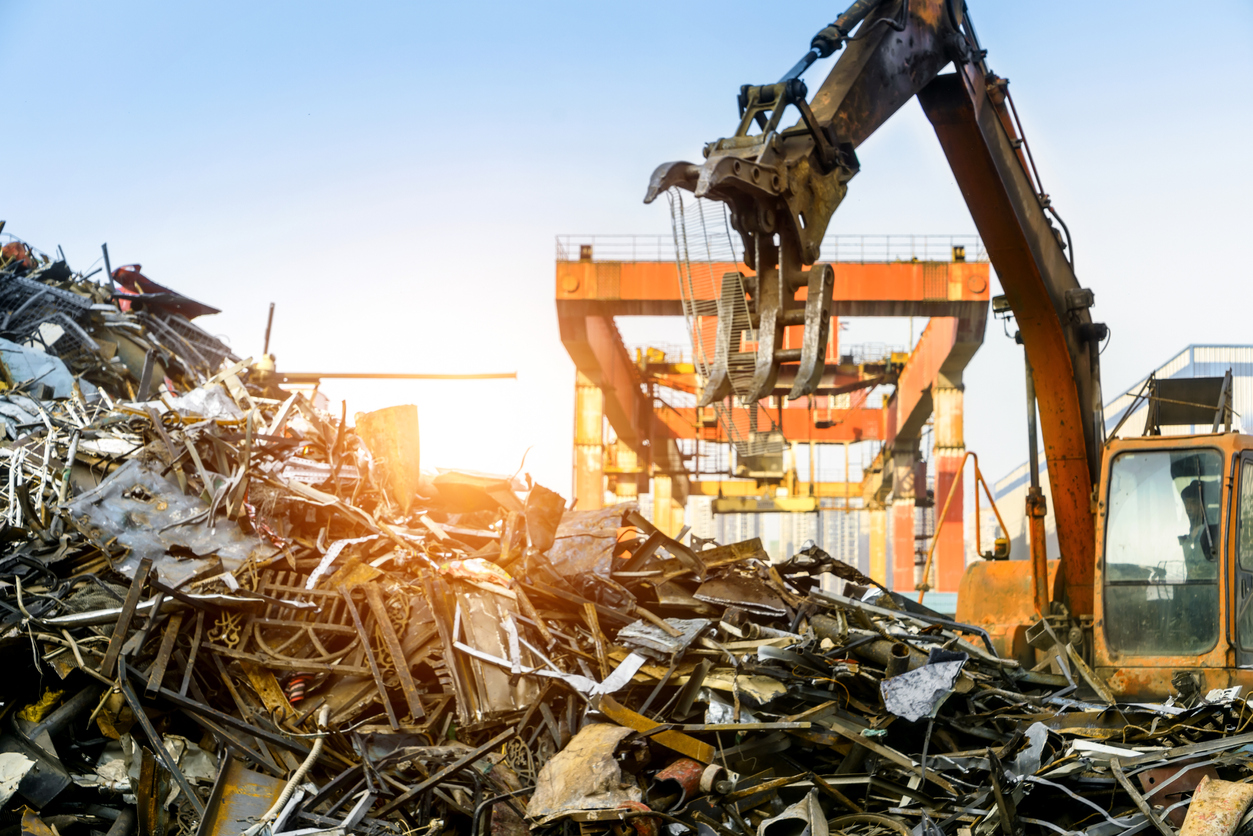
Urban waste management is a growing concern for cities worldwide, and Cuba is no exception. With increasing urban populations, limited landfill capacity, and evolving environmental standards, cities across Cuba are under pressure to adopt more efficient and sustainable waste management systems. Addressing these challenges requires practical, scalable solutions that align with local infrastructure while supporting long-term environmental and economic goals.
This article explores effective waste management solutions Cuba cities can implement, along with key challenges and opportunities for improving urban waste systems.
Understanding Waste Management Challenges in Cuban Cities
Cuban cities face a unique combination of structural and operational constraints. Waste collection systems are often centralized, with limited access to modern equipment, resulting in inefficiencies in collection and disposal. Aging infrastructure, fuel shortages, and limited recycling facilities further complicate operations.
Additionally, urban waste composition is changing. Increased consumption, tourism, and packaging materials have led to higher volumes of non-biodegradable waste. Without adequate segregation systems, recyclable materials are frequently mixed with general waste, reducing recovery potential.
Waste Segregation as a Foundation for Efficiency
One of the most impactful waste management solutions Cuba cities can adopt is improved waste segregation at source. Separating organic waste, plastics, paper, and metals significantly enhances recycling rates and reduces landfill pressure.
Implementing segregation requires:
- Public awareness campaigns to encourage household participation
- Provision of clearly labelled bins in residential and commercial areas
- Collaboration with local authorities to enforce waste separation policies
By improving segregation, cities can create cleaner waste streams, making recycling and composting more viable.
Expanding Recycling Infrastructure
Recycling remains underdeveloped in many Cuban urban areas, despite strong potential. Establishing small-scale recycling hubs can help process materials locally, reducing transportation costs and improving efficiency.
Key steps include:
- Setting up material recovery facilities (MRFs)
- Partnering with private sector operators for recycling initiatives
- Creating incentives for businesses to recycle packaging waste
Reliable sourcing of recyclable materials is critical. This is where structured supply chains become essential. Companies like Wigmore Trading can support sourcing of recycling equipment, packaging solutions, and facilitate connections with international recycling markets.
Organic Waste Management and Composting
A significant portion of urban waste in Cuba consists of organic material. Composting offers a practical and low-cost solution to manage this waste stream while supporting agriculture.
Cities can implement:
- Community composting programs
- Municipal composting facilities
- Partnerships with urban farming initiatives
Compost produced can be used in local agriculture, improving soil quality and reducing reliance on imported fertilizers. This creates a circular economy model that benefits both urban waste systems and food production.
Improving Waste Collection Logistics
Efficient collection is central to any successful waste management system. In Cuban cities, collection schedules can be inconsistent due to equipment limitations and logistical constraints.
Enhancing logistics involves:
- Optimizing collection routes using data-driven planning
- Introducing smaller, fuel-efficient vehicles for narrow urban areas
- Ensuring consistent maintenance of collection equipment
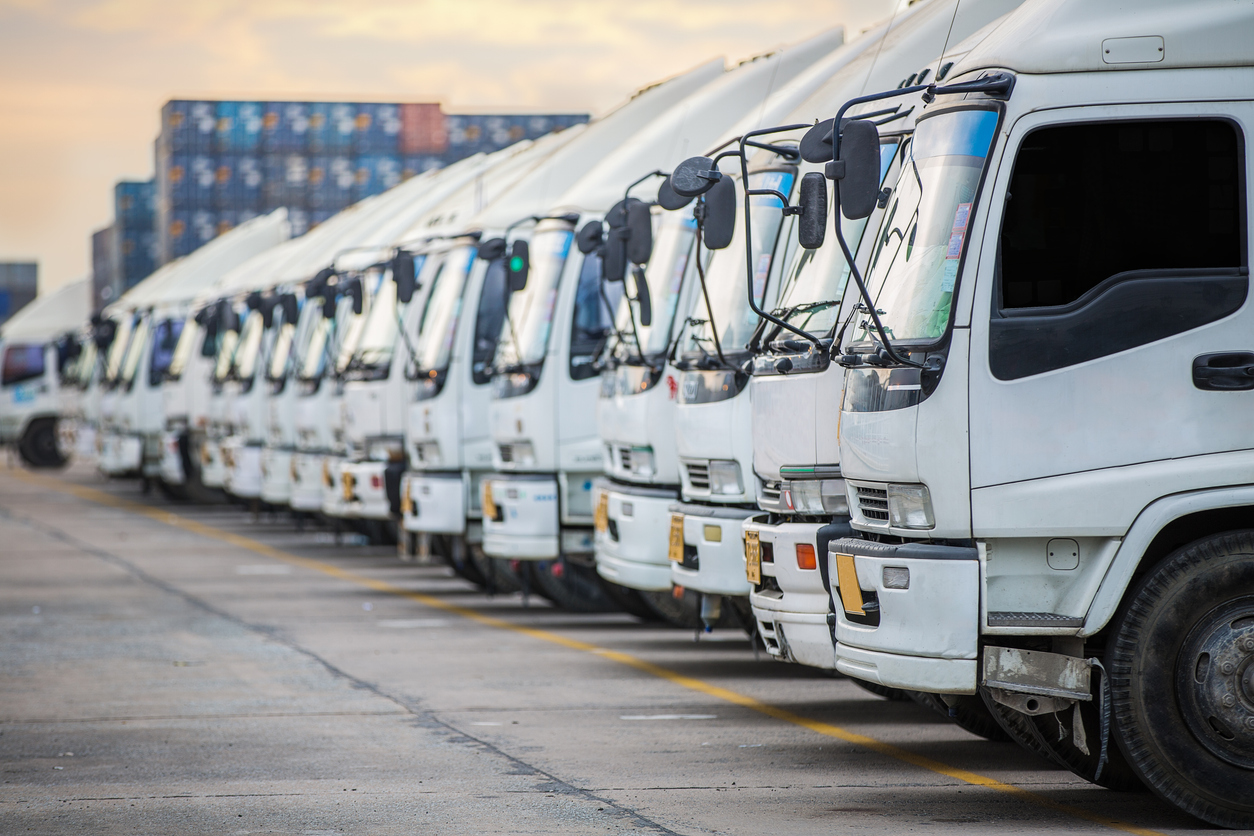
Supply chain expertise plays a role here. Wigmore Trading can assist in sourcing vehicles, spare parts, and operational materials needed to maintain reliable collection systems, particularly in challenging environments.
Waste-to-Energy Opportunities
Waste-to-energy (WtE) solutions provide an alternative approach to managing non-recyclable waste. While large-scale facilities require significant investment, smaller modular systems can be considered for urban areas.
Potential benefits include:
- Reduction in landfill volume
- Generation of electricity or heat
- Improved waste handling efficiency
However, these systems must be carefully evaluated to ensure environmental compliance and financial feasibility. Partnering with experienced logistics and procurement specialists helps ensure the right technology is selected and implemented effectively.
Strengthening Policy and Regulatory Frameworks
Effective waste management requires clear policies and consistent enforcement. Cuban cities can benefit from updated regulations that support:
- Mandatory waste segregation
- Extended producer responsibility (EPR) for packaging
- Incentives for recycling businesses
Regulatory clarity encourages private sector participation and investment in waste infrastructure. It also ensures that waste management practices align with international environmental standards.
Leveraging Partnerships for Scalable Solutions
Addressing urban waste challenges is not solely a public sector responsibility. Collaboration between municipalities, private companies, and international partners is essential.
Strategic partnerships can support:
- Importation of waste management equipment
- Development of supply chains for recyclables
- Training and capacity building for local teams
Wigmore Trading plays a valuable role in this ecosystem by facilitating sourcing, logistics, and distribution of essential materials and equipment. Their experience in African and international trade markets enables efficient procurement and delivery, even in complex operating environments.
Digitalisation and Data-Driven Waste Management
Technology is increasingly important in modern waste systems. Even basic digital tools can significantly improve efficiency.
Cities can adopt:
- GPS tracking for waste collection vehicles
- Digital reporting systems for waste volumes
- Data analytics to optimize routes and resource allocation
These tools provide visibility and control, enabling better decision-making and resource management.
Conclusion
Implementing effective waste management solutions Cuba cities requires a combination of practical strategies, infrastructure investment, and strong partnerships. From improving waste segregation and recycling systems to optimizing logistics and exploring waste-to-energy options, there are clear pathways for enhancing urban waste management.
Success depends on coordinated efforts across public and private sectors, supported by reliable supply chains and access to the right equipment and expertise. With structured planning and the right partners, Cuban cities can build more sustainable and efficient waste management systems.
Wigmore Trading can help. Contact Wigmore Trading today to streamline your sourcing.





Comments are closed.