

Practical Energy Efficiency Solutions for Cuban Businesses to Reduce Costs and Improve Operations

Energy efficiency is becoming a critical priority for businesses operating in Cuba. With rising energy costs, infrastructure constraints, and the need for sustainable growth, companies across sectors—from manufacturing to FMCG distribution—are actively seeking ways to optimise energy use without compromising productivity.
For importers, wholesalers, and logistics operators, improving energy efficiency is not just about cost savings. It is also about building resilience in supply chains and ensuring consistent operations in a challenging environment.
Understanding Energy Challenges in Cuba’s Business Environment
Cuban businesses often face limited access to stable power supply, outdated infrastructure, and reliance on imported fuel. These challenges can lead to operational disruptions, increased costs, and inefficiencies in production and distribution.
For sectors such as cold chain logistics, food distribution, and manufacturing, inconsistent energy supply can directly impact product quality and delivery timelines. Addressing these issues requires practical, scalable solutions that align with local conditions.
Key Energy Efficiency Solutions for Cuban Businesses
1. Upgrading to Energy-Efficient Equipment
One of the most effective ways to improve efficiency is replacing outdated machinery with modern, energy-efficient alternatives. Equipment such as refrigeration units, generators, and industrial motors often consume excessive energy when outdated.
Businesses involved in FMCG distribution or food imports, for example, can significantly reduce operational costs by investing in energy-efficient cold storage systems. While the initial investment may be higher, the long-term savings and improved reliability often justify the upgrade.
2. Implementing Smart Energy Management Systems
Energy monitoring systems allow businesses to track consumption patterns in real time. By identifying peak usage periods and inefficiencies, companies can make informed decisions to optimise operations.
For warehouses and logistics hubs, this could involve scheduling energy-intensive activities during off-peak hours or automating lighting and cooling systems. Over time, these adjustments can lead to measurable cost reductions.
3. Improving Building and Facility Efficiency
Simple structural improvements can have a significant impact on energy consumption. These include:
- Enhancing insulation in storage facilities
- Installing energy-efficient lighting such as LED systems
- Optimising ventilation to reduce cooling demands
For distribution centres handling temperature-sensitive goods, maintaining consistent internal conditions is essential. Efficient building design helps reduce reliance on energy-intensive cooling systems.
4. Integrating Renewable Energy Sources
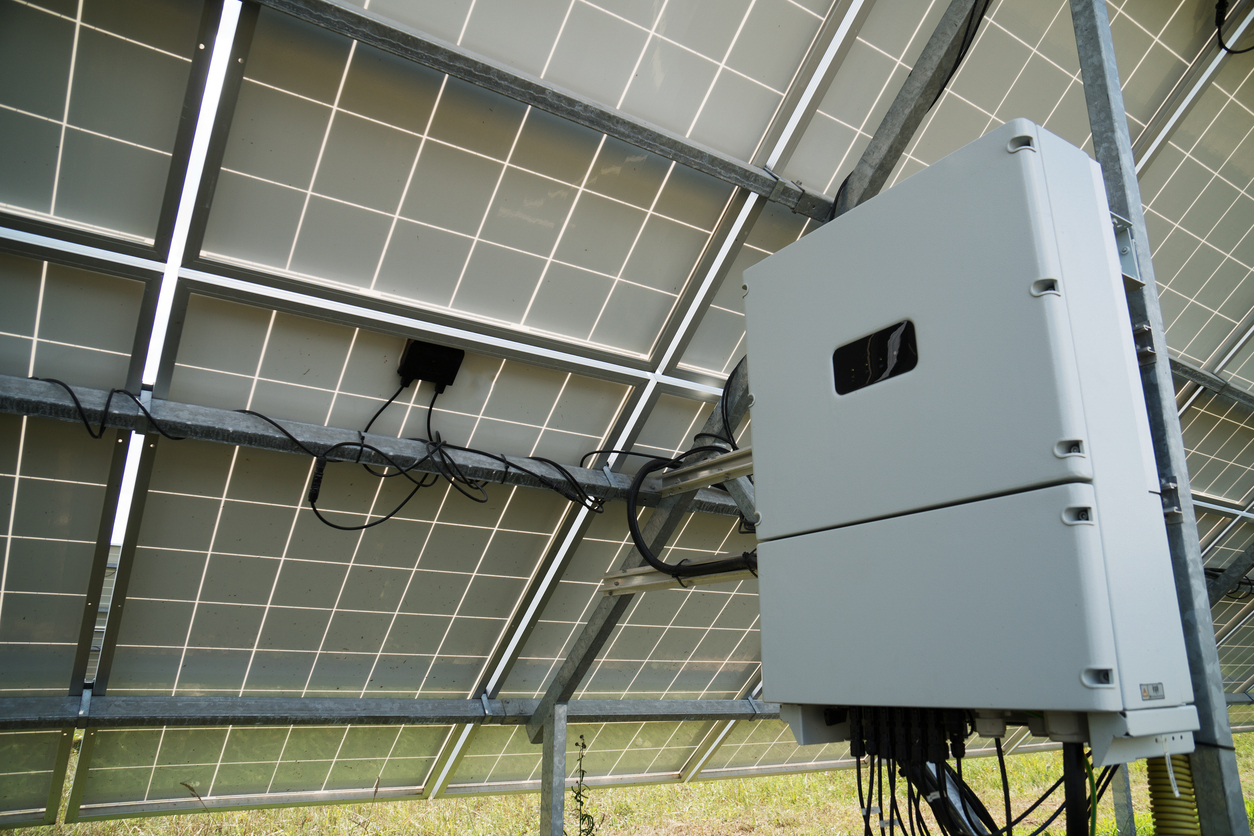
Solar energy is increasingly viable in Cuba due to its favourable climate. Businesses can reduce dependence on the national grid by integrating solar panels into their operations.
This approach is particularly useful for warehouses, agricultural processing facilities, and manufacturing plants. Hybrid systems—combining solar with backup generators—can ensure uninterrupted operations while lowering fuel costs.
5. Optimising Supply Chain and Logistics Operations
Energy efficiency extends beyond physical infrastructure. Transport and logistics operations are also major contributors to energy consumption.
Businesses can improve efficiency by:
- Consolidating shipments to reduce transport frequency
- Optimising delivery routes
- Using fuel-efficient vehicles
For import/export businesses, efficient logistics planning can reduce both energy use and operational costs while improving delivery reliability.
The Role of Strategic Sourcing and Partnerships
Implementing energy efficiency solutions often requires access to reliable equipment, technical expertise, and compliant suppliers. This is where strategic sourcing becomes critical.
Wigmore Trading supports businesses by sourcing energy-efficient equipment, managing procurement processes, and ensuring compliance with international standards. From refrigeration systems to industrial machinery, having a trusted sourcing partner can streamline the transition to more efficient operations.
In addition, Wigmore Trading assists with logistics coordination, helping businesses import equipment efficiently and navigate complex supply chains.
Overcoming Common Barriers
Despite the benefits, some businesses face challenges when adopting energy efficiency solutions. These may include:
- Limited access to financing for upgrades
- Difficulty sourcing high-quality equipment
- Regulatory and import constraints
Addressing these barriers requires a structured approach. Businesses should prioritise high-impact investments, work with experienced sourcing partners, and plan upgrades in phases to manage costs effectively.
Long-Term Benefits of Energy Efficiency
Adopting energy efficiency solutions offers more than immediate cost savings. Businesses can also benefit from:
- Improved operational reliability
- Reduced exposure to energy price fluctuations
- Enhanced competitiveness in regional and international markets
For companies involved in export and wholesale distribution, efficient operations can translate into better pricing strategies and stronger market positioning.
Conclusion
Energy efficiency solutions for Cuban businesses are essential for navigating a complex and evolving operating environment. By upgrading equipment, optimising facilities, integrating renewable energy, and improving logistics, businesses can reduce costs while strengthening operational resilience.
Strategic partnerships play a key role in making these transitions practical and sustainable. Wigmore Trading can help businesses source the right equipment, manage logistics, and streamline supply chain operations.
Contact Wigmore Trading today to streamline your sourcing.





Comments are closed.