
Who Qualifies for Gun License in Nigeria? A Practical Guide for Businesses and Individuals

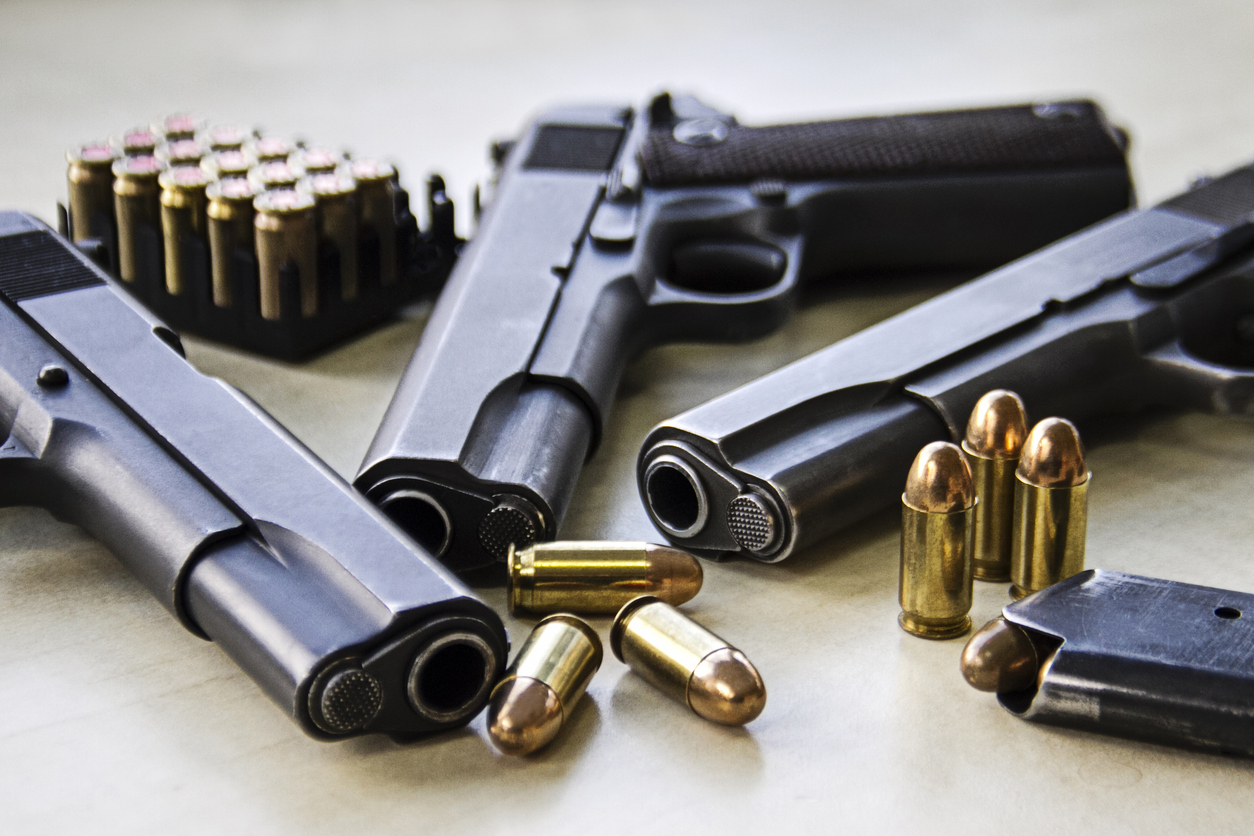
Understanding firearm regulations in Nigeria is essential for individuals and businesses operating in sectors such as logistics, cash handling, and high-value goods distribution. While firearm ownership is tightly controlled, there are specific legal pathways for obtaining a gun license under Nigerian law.
This guide explains who qualifies for a gun license in Nigeria, the application process, and key compliance considerations—particularly relevant for organisations managing security risks.
Overview of Firearm Regulations in Nigeria
Firearm ownership in Nigeria is governed by the Firearms Act, which places strict limits on civilian access to weapons. The law prioritises public safety, meaning licenses are issued selectively and under strict conditions.
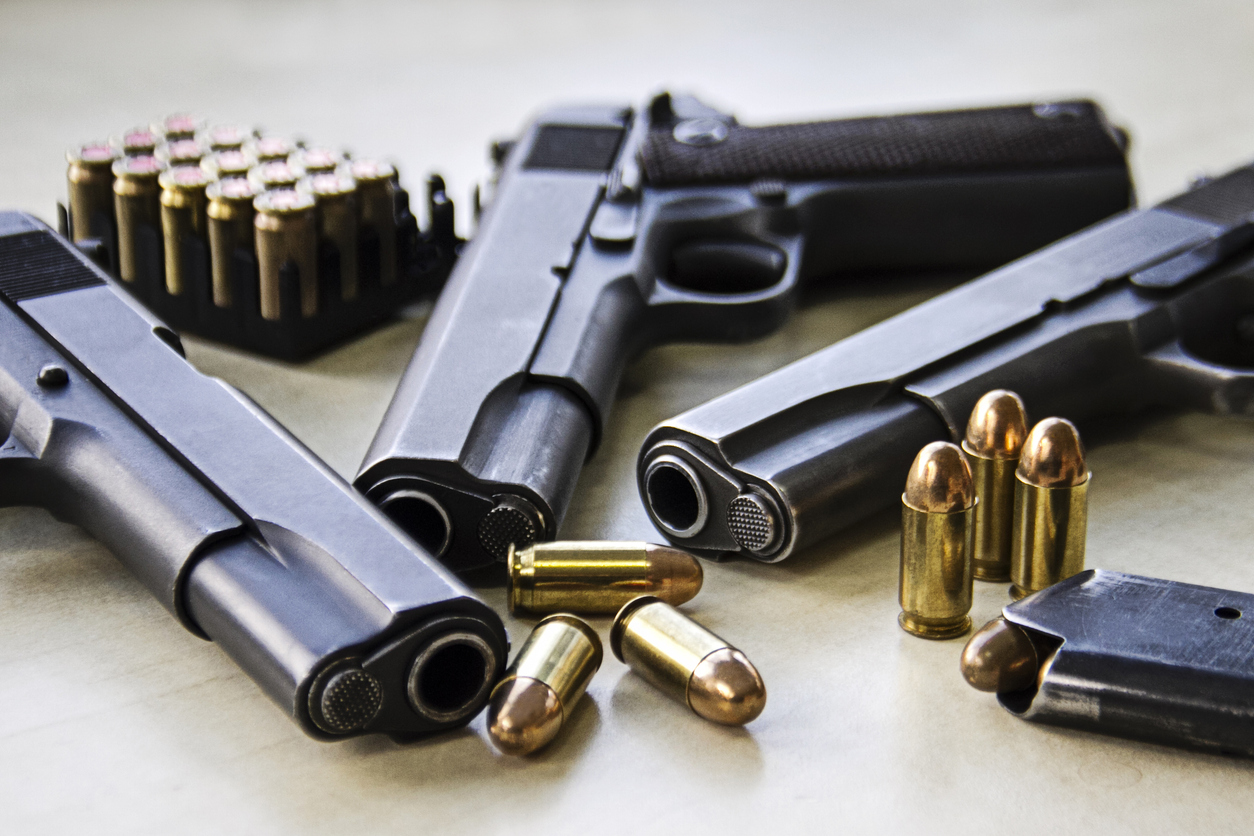
Automatic weapons and military-grade firearms are prohibited for civilian use. However, certain low-risk firearms—such as shotguns and hunting rifles—may be licensed under controlled circumstances.
Who Qualifies for Gun License in Nigeria?
To understand who qualifies for gun license in Nigeria, it is important to look at the eligibility criteria set by law enforcement authorities.
1. Individuals with Valid Security Needs
Applicants must demonstrate a clear and legitimate need for personal protection. This may include:
- Business owners handling large volumes of cash
- Individuals exposed to high-risk environments
- Operators in remote or insecure locations
However, perceived risk alone is not sufficient—evidence and justification are required.
2. Clean Criminal Record
Applicants must have no prior criminal convictions, especially those related to violence or public safety. Background checks are conducted by the Nigerian Police Force.
3. Mental and Physical Fitness
Applicants must be deemed mentally and physically fit to handle a firearm responsibly. Medical evaluations may be required as part of the process.
4. Minimum Age Requirement
The applicant must typically be at least 18 years old, although approvals are more commonly granted to mature individuals with verifiable responsibilities.
5. Police Clearance and Approval
Final approval rests with the Inspector General of Police (IGP) or authorised representatives. Even if all criteria are met, licensing remains discretionary.
Application Process for a Gun License in Nigeria
The licensing process involves several steps:
Submission of Application
Applicants must submit a formal application to the Nigerian Police, including:
- Personal identification documents
- Passport photographs
- Statement of purpose for firearm ownership
Background Investigation
The police conduct a thorough background check, verifying:
- Criminal history
- Residential address
- Reputation within the community
Inspection and Approval
Authorities may conduct interviews or inspections before granting approval. If successful, the applicant receives a license specifying:
- Type of firearm permitted
- Validity period
- Usage limitations
Renewal and Compliance
Gun licenses must be renewed periodically, and holders must comply with storage, transport, and usage regulations.
Compliance Challenges for Businesses
For companies operating in Nigeria—particularly in logistics, FMCG distribution, and import/export—security is a critical concern. However, obtaining firearm licenses for staff is often complex and time-consuming.
Key challenges include:
- Strict regulatory oversight
- Limited approval rates
- Ongoing compliance obligations
- Risk of legal penalties for misuse
Because of these constraints, many businesses opt for licensed private security firms rather than individual firearm ownership.
Practical Alternatives to Firearm Ownership
Instead of pursuing gun licenses, businesses can adopt safer and more scalable solutions:
Professional Security Services
Engaging licensed security providers ensures compliance with Nigerian law while reducing operational risk.
Supply Chain Risk Management
Improving route planning, secure warehousing, and tracking systems can significantly reduce exposure to theft or loss.
Compliance and Documentation Support
Ensuring all security-related processes align with regulatory standards helps avoid disruptions or penalties.
How Wigmore Trading Supports Secure Operations
For businesses involved in distribution, sourcing, and logistics across Nigeria and West Africa, managing risk is part of daily operations.
Wigmore Trading supports clients by:
- Coordinating secure logistics and transport solutions
- Assisting with regulatory compliance and documentation
- Providing access to trusted partners across supply chains
- Helping businesses reduce operational risk without relying on firearms
This approach allows companies to maintain efficiency while staying fully compliant with Nigerian regulations.
Conclusion
Understanding who qualifies for gun license in Nigeria requires careful attention to legal requirements, eligibility criteria, and compliance obligations. While licenses are available under strict conditions, they are not easily obtained and may not be the most practical solution for many businesses.
A structured approach to security—combining professional services, compliance, and operational planning—often delivers better results.
Wigmore Trading can help. Contact Wigmore Trading today to streamline your sourcing and logistics while maintaining secure, compliant operations.

Comments are closed.