
Understanding Security Equipment Import Nigeria Rules: A Practical Guide for Businesses

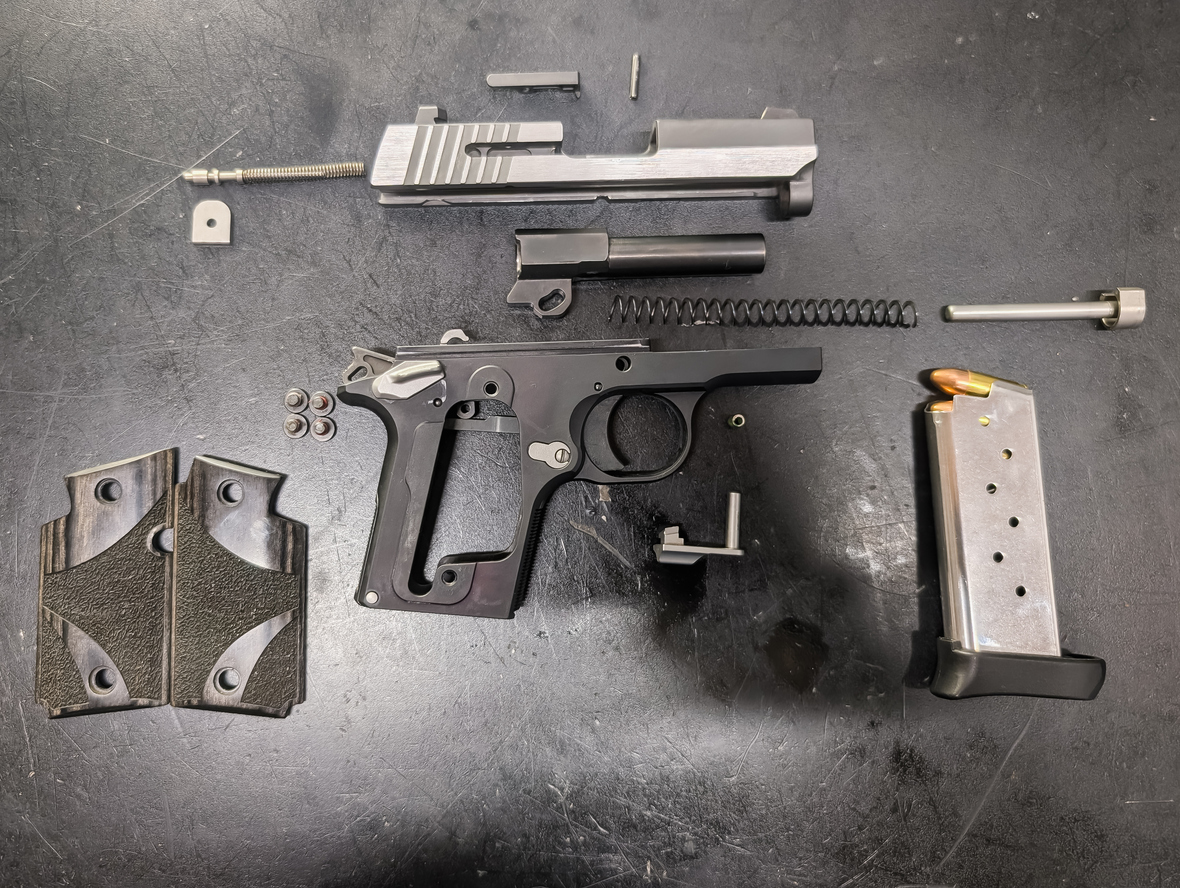
Importing security equipment into Nigeria is a regulated process that requires careful attention to compliance, documentation, and logistics. From surveillance systems to access control devices, businesses must navigate specific rules to ensure smooth entry into the Nigerian market. This guide explains the key aspects of security equipment import Nigeria rules and how companies can manage risks effectively.
Overview of Security Equipment Import Nigeria Rules
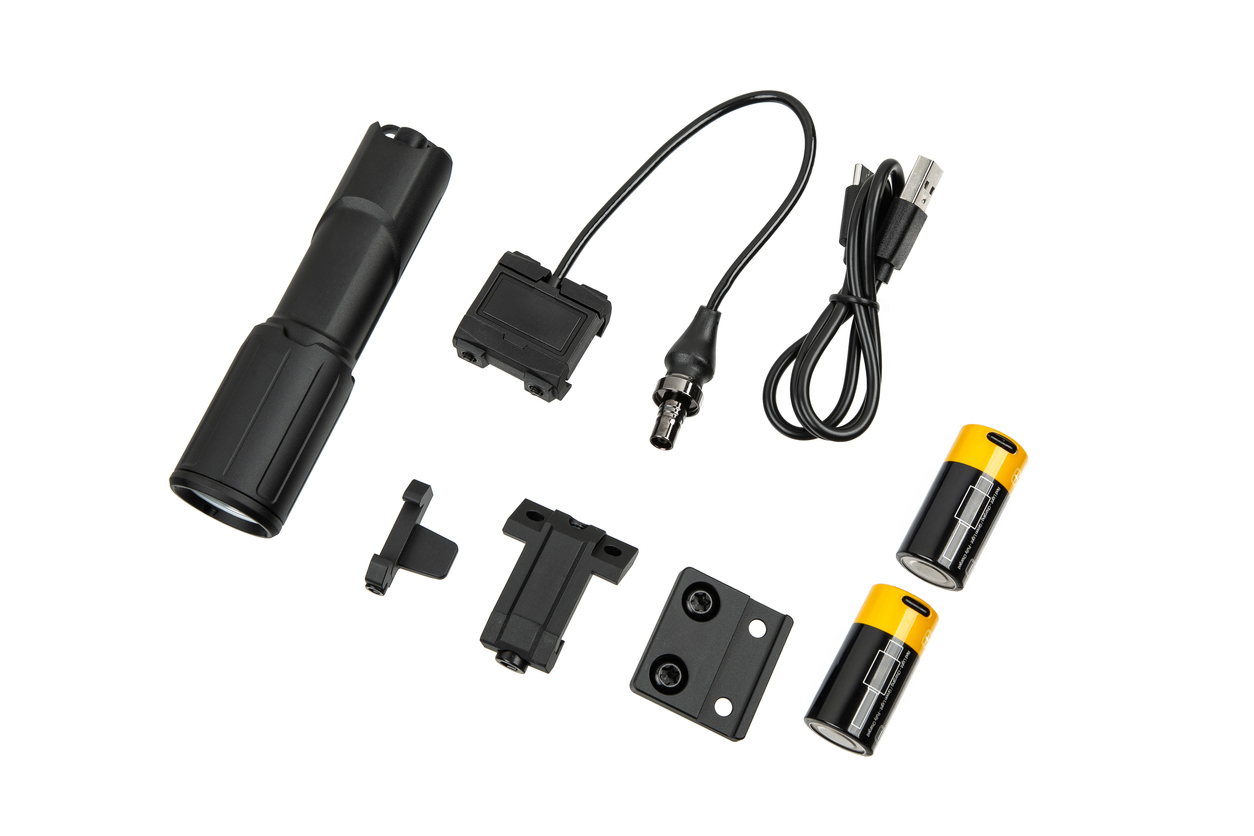
Nigeria classifies certain security equipment as controlled or sensitive goods. These may include CCTV systems, alarm systems, tracking devices, and access control technologies. Importers must comply with regulations enforced by agencies such as:
- Nigeria Customs Service (NCS)
- Standards Organisation of Nigeria (SON)
- National Information Technology Development Agency (NITDA) (for certain digital devices)
Depending on the product category, additional approvals may be required before shipment.
Understanding these regulatory layers is essential for avoiding delays, penalties, or confiscation of goods.
Import Documentation Requirements
To comply with security equipment import Nigeria rules, businesses must prepare accurate and complete documentation. Common requirements include:
- Form M: Mandatory import declaration processed through an authorised bank
- Pre-Arrival Assessment Report (PAAR): Issued by Nigeria Customs
- SONCAP Certificate: Confirms compliance with Nigerian standards
- Commercial Invoice and Packing List
- Bill of Lading or Airway Bill
For certain high-security devices, import permits or end-user certificates may also be required to confirm the intended use.
Incomplete or incorrect documentation is one of the most common causes of shipment delays.
Product Standards and Compliance
Security equipment must meet Nigerian safety and quality standards. The SONCAP (Standards Organisation of Nigeria Conformity Assessment Programme) ensures that imported products meet minimum requirements.
Importers should verify:
- Electrical safety standards
- Compatibility with Nigerian power systems
- Product labeling and documentation
Failure to meet these standards can result in goods being rejected at the port.
Working with experienced sourcing partners helps ensure that products are compliant before shipment, reducing the risk of costly rejections.
Customs Duties and Tariffs
Security equipment imports are subject to duties, taxes, and levies based on their classification under the Harmonised System (HS Code).
Key cost considerations include:
- Import duty rates
- Value Added Tax (VAT)
- Customs processing fees
Accurate classification is critical. Misclassification can lead to underpayment or overpayment of duties, both of which may trigger audits or penalties.
Businesses should conduct proper tariff planning before importing to avoid unexpected costs.
Logistics and Clearance Challenges
Importing security equipment into Nigeria involves several logistical challenges:
- Port congestion and clearance delays
- Inspection procedures for sensitive equipment
- Documentation verification by multiple agencies
These challenges can disrupt supply chains if not properly managed.
To mitigate risks, businesses should:
- Plan shipments with realistic timelines
- Ensure documentation accuracy before arrival
- Work with reliable freight forwarders
A structured logistics approach is essential for timely delivery and cost control.
How Wigmore Trading Supports Compliance and Distribution
Navigating security equipment import Nigeria rules can be complex, particularly for businesses entering the market for the first time. Wigmore Trading provides practical support across the import process, including:
- Supplier sourcing: Identifying compliant manufacturers
- Documentation management: Ensuring Form M, SONCAP, and other requirements are properly handled
- Freight and logistics coordination: Managing shipments and customs clearance
- Distribution support: Facilitating last-mile delivery within Nigeria
By integrating sourcing, compliance, and logistics, businesses can reduce operational risks and focus on market expansion.
Best Practices for Importing Security Equipment
To ensure a smooth import process, businesses should adopt the following best practices:
- Conduct due diligence on suppliers and product certifications
- Confirm regulatory requirements before placing orders
- Use experienced clearing agents familiar with security equipment imports
- Maintain transparent documentation records
- Plan for potential inspection delays
These steps help create a more predictable and efficient import process.
Conclusion
Understanding and complying with security equipment import Nigeria rules is essential for businesses looking to operate successfully in Nigeria’s growing security and surveillance market. From documentation and standards compliance to logistics planning, each step plays a critical role in ensuring smooth importation.
With the right approach and expert support, businesses can minimise risks and streamline their supply chains. Wigmore Trading can help. Contact Wigmore Trading today to streamline your sourcing.




Comments are closed.