
Telecom Revenue Leakage Prevention in Nigeria: Strategies for Sustainable Growth

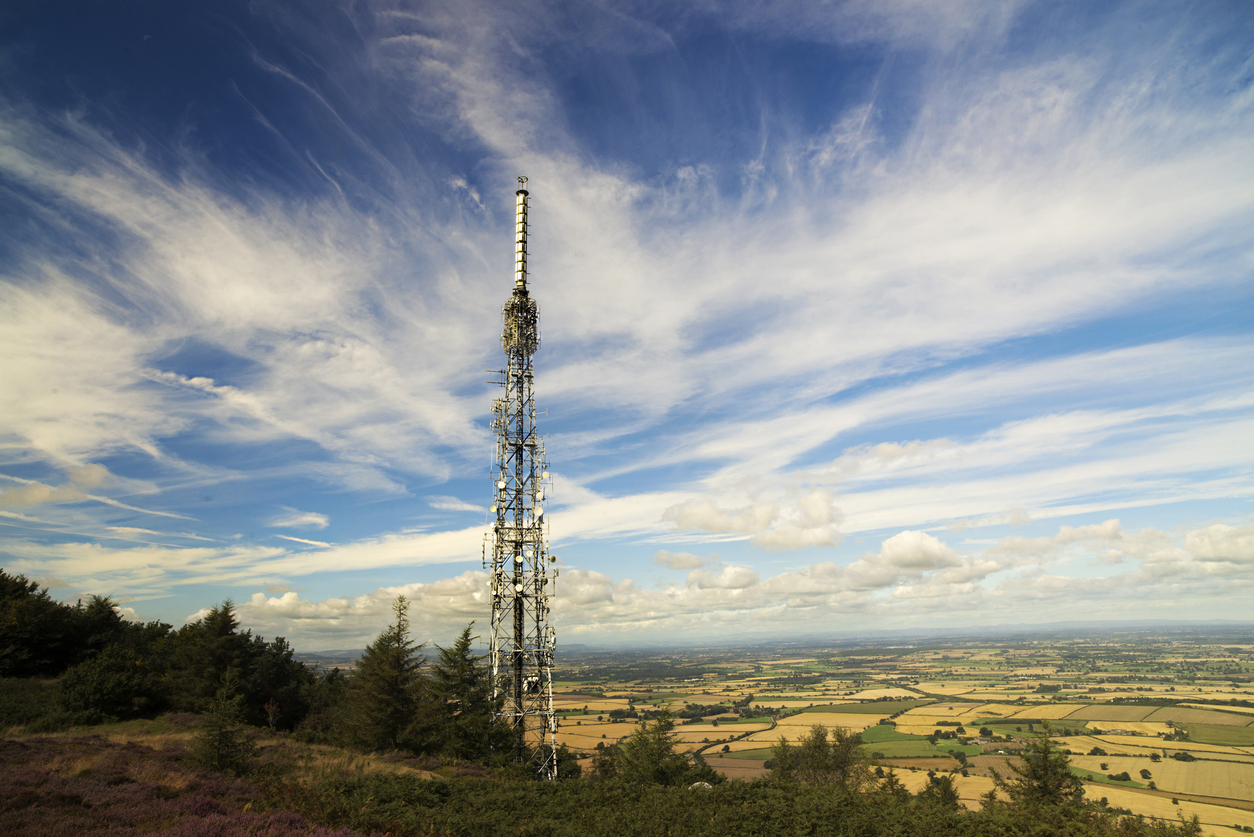
Nigeria’s telecom sector handles billions of transactions daily across voice, data, and digital services. While this scale creates significant revenue opportunities, it also increases the risk of revenue leakage—unbilled, underbilled, or lost income due to inefficiencies, fraud, or system gaps.
Effective telecom revenue leakage prevention in Nigeria is essential for maintaining profitability, regulatory compliance, and operational transparency. This article explores the causes of revenue leakage, its impact, and practical strategies telecom operators can adopt to mitigate risks.
What Is Telecom Revenue Leakage?
Telecom revenue leakage refers to any loss of revenue that occurs during service delivery, billing, or settlement processes. These losses are often unintentional but can significantly affect an operator’s financial performance over time.
Common Sources of Revenue Leakage
- Billing Errors: Incorrect tariff application or system misconfigurations
- Unrated or Unbilled Usage: Missing or incomplete Call Detail Records (CDRs)
- Interconnect Discrepancies: Errors in traffic settlement between operators
- Fraudulent Activities: SIM box fraud, bypass fraud, and subscription fraud
- Data Processing Failures: Delays or failures in mediation systems
Why Telecom Revenue Leakage Prevention in Nigeria Matters
Nigeria’s telecom environment is characterised by high subscriber volumes, complex pricing models, and multiple interconnect arrangements. Without strong controls, even small inefficiencies can lead to substantial cumulative losses.
Key Risks for Operators
- Reduced profit margins
- Increased disputes with partner networks
- Regulatory penalties from the Nigerian Communications Commission (NCC)
- Damage to brand credibility and customer trust
Key Challenges in Preventing Revenue Leakage
High Data Volumes
Telecom networks generate vast amounts of usage data daily, making real-time monitoring complex.
Infrastructure Constraints
Power instability and network interruptions can disrupt billing and data processing systems.
Evolving Fraud Techniques
Fraudsters continuously adapt, exploiting vulnerabilities in interconnect and billing systems.
Integration Complexity
Multiple systems—network, billing, CRM, and settlement—must work seamlessly together.
Practical Strategies for Telecom Revenue Leakage Prevention in Nigeria
Strengthen Revenue Assurance Systems
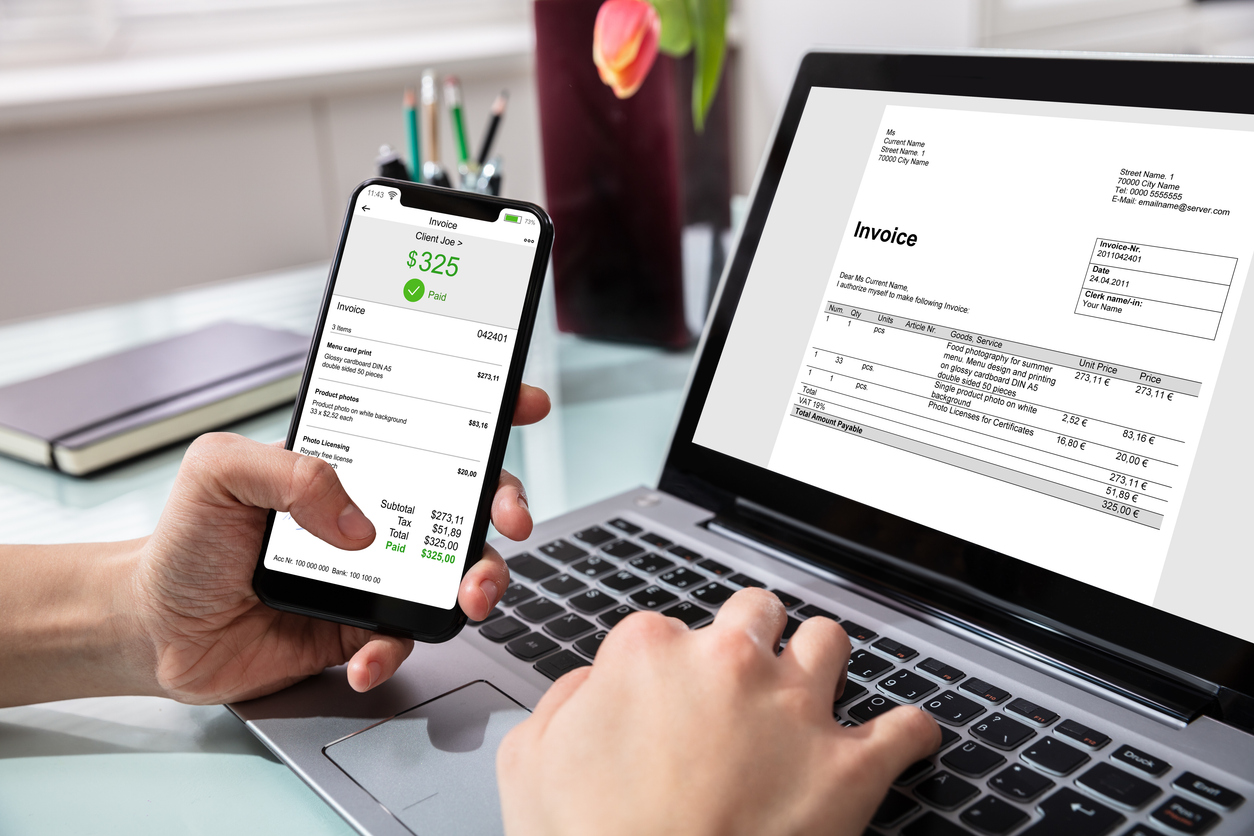
Implement automated revenue assurance tools to monitor the entire billing lifecycle—from usage capture to invoicing.
Improve Data Integrity and Mediation
Ensure that all network events are accurately captured, validated, and transmitted to billing systems without loss.
Deploy Real-Time Monitoring Tools
Real-time analytics can detect anomalies early, reducing the impact of leakage.
Enhance Fraud Detection Mechanisms
Use pattern recognition and AI-driven tools to identify suspicious traffic and prevent fraud.
Regular Audits and Reconciliation
Conduct periodic audits of billing and settlement systems to identify discrepancies and correct them promptly.
The Role of Accurate Traffic Settlement
Revenue leakage is often linked to interconnect billing errors. Ensuring accurate telecom traffic settlement helps:
- Align records between operators
- Reduce disputes and delays in payments
- Improve financial transparency
A well-integrated rating engine and settlement system is critical to achieving this accuracy.
Supporting Telecom Infrastructure Through Efficient Supply Chains
Preventing revenue leakage is not only a software challenge—it also depends on reliable infrastructure. Hardware failures, delayed equipment replacement, and poor logistics can disrupt billing and monitoring systems.
Wigmore Trading supports telecom operators in Nigeria by:
- Sourcing essential telecom equipment and system components globally
- Managing import and export processes with full regulatory compliance
- Providing warehousing and distribution solutions across Nigeria
- Ensuring timely delivery of infrastructure materials to minimise downtime
By maintaining a stable supply chain, operators can ensure continuous system performance and reduce risks associated with operational disruptions.
Future Trends in Revenue Assurance
As the telecom sector evolves, new technologies are shaping revenue leakage prevention strategies:
- AI and machine learning for predictive fraud detection
- Cloud-based billing systems for scalability and flexibility
- 5G networks, increasing complexity but enabling more advanced monitoring tools
- Automation of end-to-end revenue assurance processes
Operators that invest in these technologies will be better equipped to manage risks and optimise revenue.
Conclusion
Effective telecom revenue leakage prevention in Nigeria is essential for sustaining profitability and ensuring operational efficiency in a highly competitive market. By combining robust revenue assurance systems, accurate data processing, and proactive fraud detection, telecom operators can significantly reduce losses.
Reliable infrastructure and supply chain support also play a critical role in maintaining system performance and preventing disruptions.
Wigmore Trading can help. Contact Wigmore Trading today to streamline your sourcing.




Comments are closed.