
A Practical Guide to Data Traffic Settlement in Nigeria
Talk to us about this service
Trade, import, logistics, sourcing — whatever you're planning, the fastest way to a quote is a WhatsApp message. Our team replies during Lagos business hours.
WhatsApp usYour message tells us which page you came from
Nigeria’s telecommunications and digital services sector continues to expand rapidly, driven by increasing internet penetration, mobile usage, and enterprise connectivity. As data consumption grows, so does the need for accurate and transparent data traffic settlement in Nigeria—a critical process that ensures fair compensation between network operators, ISPs, and international carriers.
This article explores how data traffic settlement works, the operational challenges involved, and how structured logistics and trade support can improve efficiency across the telecom value chain.
What Is Data Traffic Settlement?
Data traffic settlement refers to the process of measuring, reconciling, and financially settling data exchanged between different networks. This includes:
- Mobile network operators (MNOs)
- Internet service providers (ISPs)
- International carriers and submarine cable operators
- Content delivery networks (CDNs)
When users access data across different networks—locally or internationally—operators must account for the volume and agree on compensation terms.
How Data Traffic Settlement in Nigeria Works
Interconnection and Peering Agreements
Operators enter agreements that define how data traffic is exchanged. These include:
- Peering agreements: Often settlement-free between networks of similar scale
- Transit agreements: One network pays another for carrying traffic
Traffic Measurement and Monitoring
Accurate metering systems track:
- Data volumes (in MB/GB)
- Source and destination networks
- Peak vs off-peak usage
Billing and Reconciliation
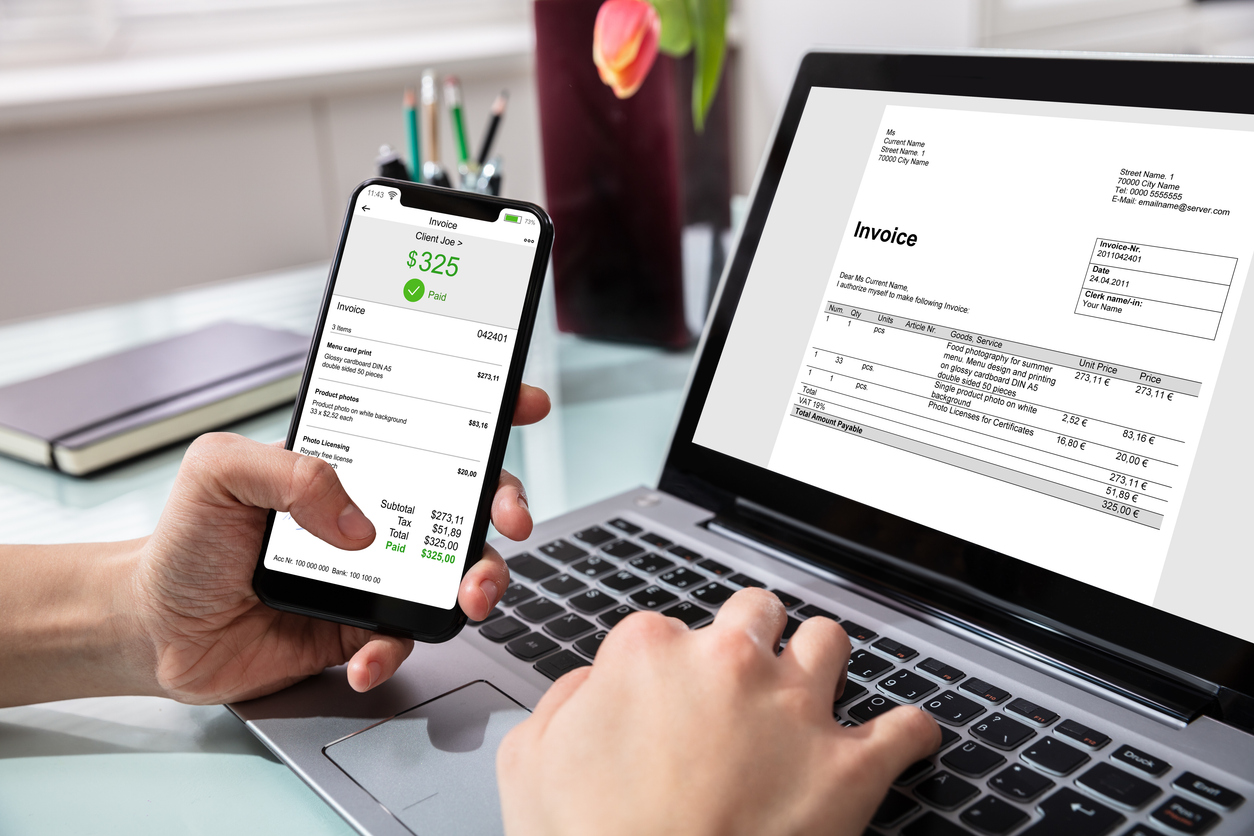
Operators generate invoices based on agreed rates. Settlement cycles can be monthly or quarterly, depending on agreements.
Dispute Management
Differences in recorded traffic volumes can lead to disputes, requiring verification and adjustment before final settlement.
Key Drivers of Data Traffic Growth in Nigeria
Understanding the context behind data traffic settlement in Nigeria helps explain its growing importance.
Rising Mobile Internet Usage
Smartphone adoption and affordable data plans have significantly increased consumption.
Expansion of Digital Services
Streaming, fintech platforms, e-commerce, and cloud applications drive higher data exchange across networks.
International Connectivity
Submarine cables and cross-border data flows require coordination between local and global carriers.
Challenges in Data Traffic Settlement
1. Data Accuracy and Measurement Gaps
Inconsistent metering systems between operators can lead to discrepancies in reported traffic volumes.
2. High Volume Complexity
Large-scale data exchange requires systems that can process and reconcile massive datasets efficiently.
3. Infrastructure Constraints
Network congestion, power issues, and hardware limitations can affect data tracking and reporting.
4. Regulatory Compliance
Operators must align with Nigerian Communications Commission (NCC) regulations and international standards.
5. Dispute Resolution Delays
Manual reconciliation processes can slow down settlements and impact cash flow.
Improving Efficiency in Data Traffic Settlement
Invest in Automated Settlement Systems
Automation reduces errors and accelerates reconciliation cycles.
Standardise Measurement Protocols
Using consistent frameworks across networks improves transparency and trust.
Strengthen Inter-Operator Collaboration
Clear agreements and communication reduce disputes and improve operational efficiency.
Leverage Data Analytics
Advanced analytics tools help detect anomalies and optimise traffic routing.
The Role of Logistics and Supply Chain Support
While data traffic settlement is largely digital, the infrastructure supporting it depends on reliable physical supply chains. Network equipment, data centre hardware, and connectivity components must be sourced and maintained efficiently.
Wigmore Trading supports telecom and digital infrastructure providers in Nigeria by:
- Sourcing networking equipment and hardware internationally
- Managing import/export compliance and customs clearance
- Providing warehousing and nationwide distribution
- Ensuring timely delivery of critical infrastructure components
Efficient logistics help maintain uptime and support the systems responsible for accurate data measurement and settlement.
Future Trends in Data Traffic Settlement
Growth of Internet Exchange Points (IXPs)
Local IXPs reduce reliance on international transit and improve settlement efficiency.
Cloud-Based Settlement Platforms
Cloud solutions enable scalable and real-time reconciliation.
Increased Regulatory Oversight
As data traffic grows, regulators may introduce stricter frameworks for transparency and reporting.
Integration with 5G Networks
5G will significantly increase data volumes, requiring more advanced settlement systems.
Conclusion
Data traffic settlement in Nigeria is essential for maintaining fairness and financial balance across the telecom and digital ecosystem. As data usage continues to rise, operators must invest in accurate measurement systems, automated reconciliation processes, and strong infrastructure support.
Combining digital efficiency with reliable sourcing and logistics ensures that networks remain operational and scalable in a competitive market.
Wigmore Trading can help. Contact Wigmore Trading today to streamline your sourcing.
No Comments Yet.




Comments are closed.