
Roaming Billing Reconciliation in Nigeria: Processes, Challenges, and Solutions
Talk to us about this service
Trade, import, logistics, sourcing — whatever you're planning, the fastest way to a quote is a WhatsApp message. Our team replies during Lagos business hours.
WhatsApp usYour message tells us which page you came from
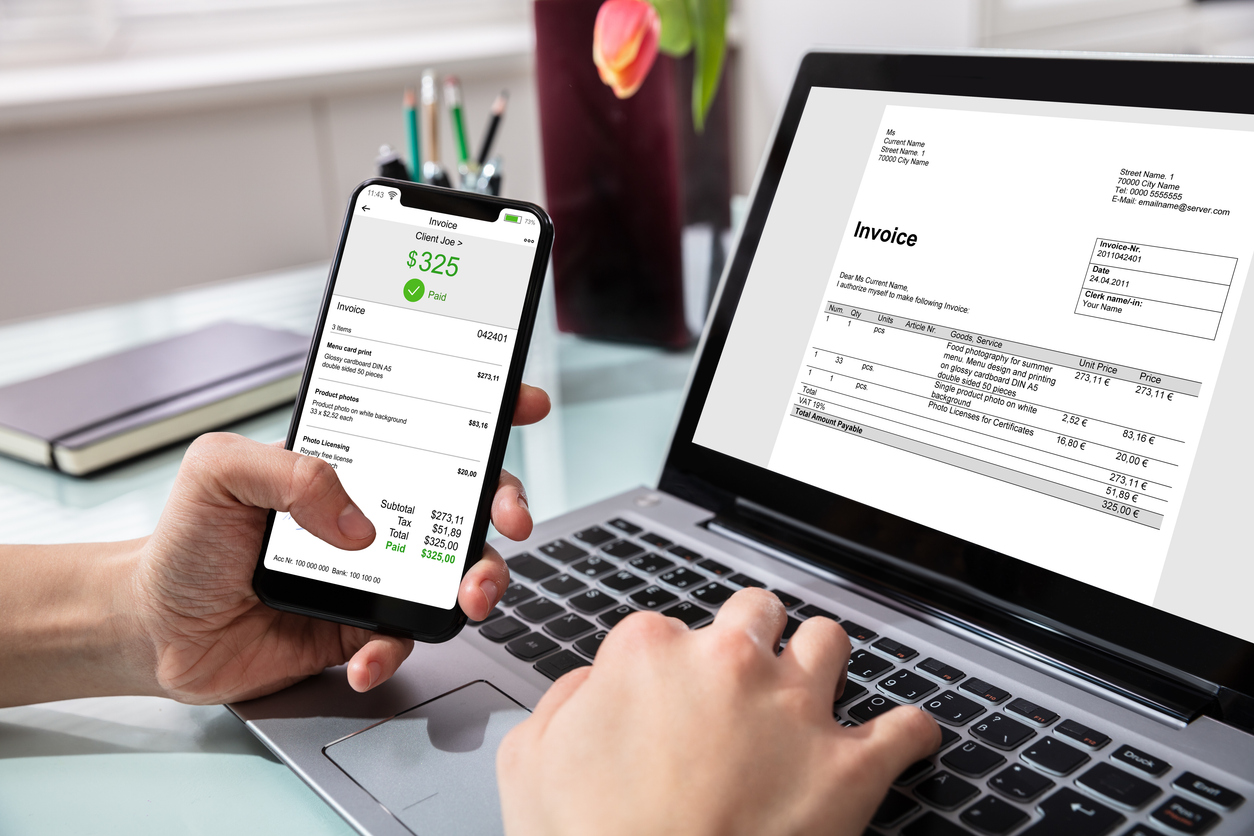
As international travel and cross-border communication increase, roaming services have become a critical revenue stream for telecom operators. However, managing these services requires precise financial coordination. Roaming billing reconciliation in Nigeria plays a vital role in ensuring accurate billing, dispute resolution, and revenue protection between telecom operators globally.
This article explores how roaming reconciliation works, the challenges Nigerian operators face, and how operational efficiency can be improved through better systems and logistics support.
What Is Roaming Billing Reconciliation?
Roaming billing reconciliation is the process of verifying and aligning billing records between telecom operators for services used by subscribers outside their home network.
When a Nigerian subscriber travels abroad and uses mobile services, the visited network records usage and sends billing data back to the home operator. Reconciliation ensures that:
- Charges are accurate and consistent
- Usage records match between both parties
- Discrepancies are identified and resolved
- Payments are processed correctly
How Roaming Billing Reconciliation in Nigeria Works
Data Collection and Exchange
Usage data is captured in the form of TAP (Transferred Account Procedure) files. These files contain detailed records of calls, SMS, and data usage while roaming.
Validation and Processing
Operators validate incoming data to check for:
- Missing or duplicate records
- Incorrect tariffs
- Network errors
Billing Comparison
The home operator compares the visited network’s charges with internal records and agreed tariffs.
Dispute Management
If inconsistencies arise, disputes are raised and resolved through established inter-operator processes.
Settlement
Once reconciled, payments are made between operators based on agreed timelines.
Why Roaming Billing Reconciliation Matters
Effective roaming billing reconciliation in Nigeria is essential for:
- Revenue Assurance: Prevents financial losses from incorrect billing
- Customer Trust: Ensures subscribers are billed accurately
- Regulatory Compliance: Aligns with international telecom standards
- Operational Efficiency: Reduces time spent resolving disputes
Key Challenges in Nigeria’s Roaming Billing Environment
1. Data Complexity and Volume
Roaming generates large volumes of data across multiple networks and countries, increasing the risk of inconsistencies.
2. Delayed Data Exchange
Late delivery of TAP files can delay billing cycles and settlement processes.
3. Currency Fluctuations
International roaming charges often involve multiple currencies, creating reconciliation challenges.
4. Fraud and Revenue Leakage
SIM box fraud and unverified traffic can distort billing accuracy.
5. Infrastructure and System Limitations
Legacy billing systems may struggle to process real-time or near-real-time roaming data.
Improving Roaming Billing Reconciliation in Nigeria
Adopt Automated Reconciliation Systems
Automation reduces manual errors and speeds up validation and dispute resolution.
Strengthen Partner Agreements
Clear inter-operator agreements help minimise disputes and ensure transparency.
Implement Real-Time Data Processing
Near-real-time roaming data exchange improves accuracy and reduces delays.
Enhance Fraud Detection Mechanisms
Advanced analytics can identify suspicious usage patterns early.
The Role of Logistics and Supply Chain in Telecom Operations
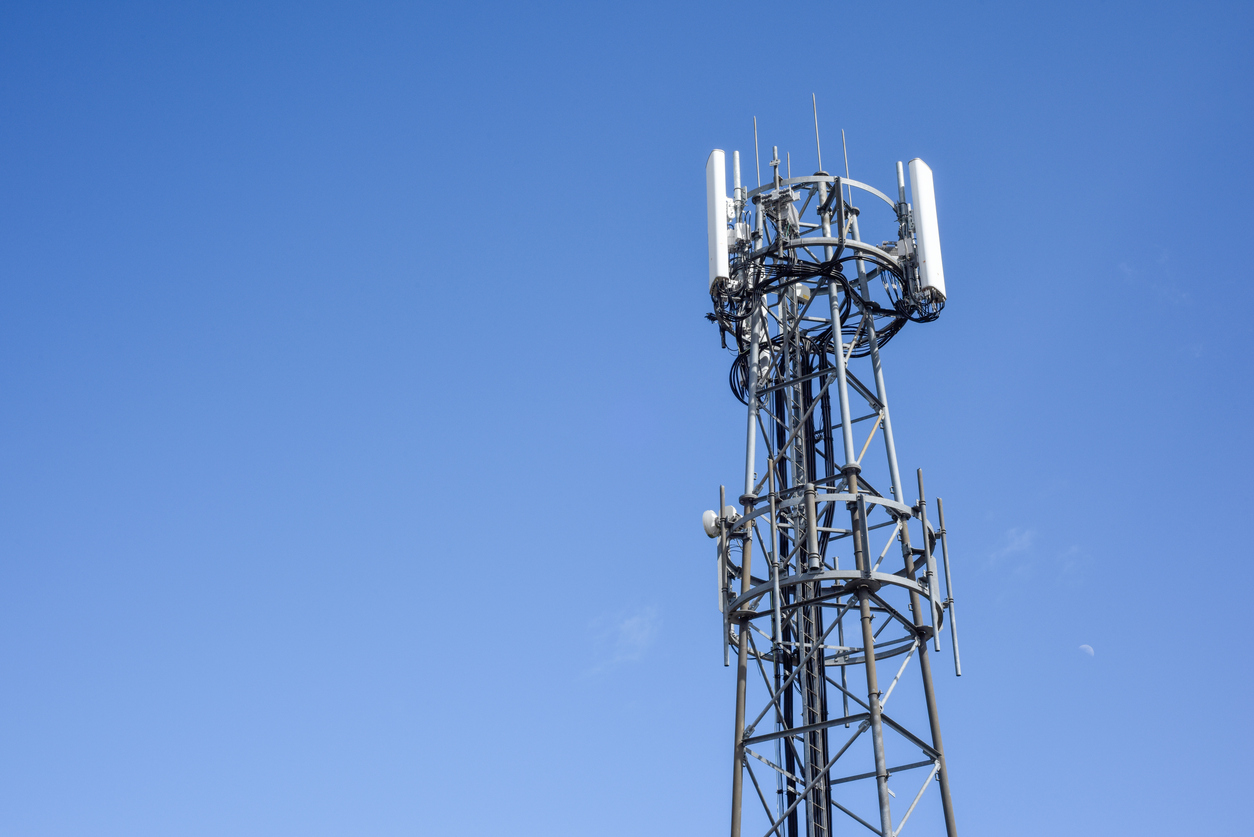
While roaming reconciliation is largely a digital process, the physical infrastructure supporting telecom networks is equally important. Network equipment, servers, and data centres must operate reliably to process billing data efficiently.
Disruptions in equipment supply or maintenance can impact billing accuracy and reconciliation timelines.
Wigmore Trading supports telecom operators in Nigeria by:
- Sourcing critical telecom infrastructure and components globally
- Managing import/export compliance for specialised equipment
- Providing warehousing and distribution solutions
- Ensuring timely delivery to support uninterrupted network operations
By maintaining a stable supply chain, operators can ensure that systems involved in roaming billing reconciliation perform consistently.
Future Trends in Roaming and Billing
Nigeria’s telecom sector is evolving, and roaming services are expected to become more sophisticated. Key trends include:
- 5G-enabled roaming services, increasing data usage complexity
- Blockchain-based settlement systems for improved transparency
- AI-driven reconciliation tools to detect discrepancies faster
- Cloud-based billing platforms for scalability and flexibility
Operators that adapt to these trends will be better positioned to manage growing roaming demand.
Conclusion
Roaming billing reconciliation in Nigeria is essential for maintaining financial accuracy, operational efficiency, and customer trust in the telecom sector. As roaming traffic grows, operators must invest in robust systems, automation, and reliable infrastructure.
Strong supply chain support also plays a critical role in ensuring the continuity of billing operations and network performance.
Wigmore Trading can help. Contact Wigmore Trading today to streamline your sourcing.
No Comments Yet.





Comments are closed.