
Telecom Billing Automation in Nigeria: Improving Accuracy and Efficiency


Nigeria’s telecommunications sector continues to expand rapidly, driven by increasing mobile penetration, data consumption, and digital services. As networks scale, manual or fragmented billing processes become inefficient and prone to error. This has led to growing adoption of telecom billing automation in Nigeria, enabling operators to improve accuracy, reduce revenue leakage, and streamline operations.
This article explores how billing automation works, the challenges it addresses, and its importance for telecom operators and supporting industries.
What Is Telecom Billing Automation?
Telecom billing automation refers to the use of software systems to automatically process, calculate, and manage customer billing across telecom services such as voice, data, SMS, and digital offerings.
Rather than relying on manual reconciliation or disconnected systems, automation integrates multiple functions into a unified process.
Key Features of Automated Billing Systems
- Real-Time Charging: Immediate deduction for prepaid services
- Automated Invoice Generation: Accurate billing for postpaid customers
- Usage Data Processing: Converts network data into billable records
- Error Detection: Identifies inconsistencies and anomalies
- Reporting and Analytics: Provides insights into revenue and usage trends
In Nigeria, where telecom usage volumes are high, automation is essential for maintaining operational efficiency.
Why Telecom Billing Automation in Nigeria Matters
The adoption of telecom billing automation in Nigeria is driven by several operational and financial needs.
Managing High Subscriber Volumes
Nigeria has one of the largest telecom markets in Africa. Automated systems handle millions of transactions daily without compromising speed or accuracy.
Reducing Revenue Leakage
Billing errors, missed charges, or fraud can significantly impact operator revenue. Automation ensures consistent application of tariffs and pricing rules.
Enhancing Customer Experience
Accurate and transparent billing builds customer trust and reduces disputes, particularly in prepaid and hybrid billing models.
Supporting Regulatory Compliance
Automated systems help operators align with Nigerian Communications Commission (NCC) requirements by maintaining accurate records and audit trails.
Key Components of a Billing Automation System
A fully automated telecom billing system typically includes:
Mediation Systems
Collect and filter raw usage data from network elements.
Rating Engines
Apply pricing rules to usage records based on tariffs and plans.
Billing Engines
Generate invoices and manage account balances.
Payment Integration
Connect with payment gateways, banks, and mobile money platforms.
Revenue Assurance Tools
Monitor for discrepancies and ensure all billable events are captured.
Challenges in Implementing Billing Automation
Despite its benefits, implementing telecom billing automation in Nigeria comes with several challenges.
Infrastructure Constraints
Reliable power supply and connectivity are necessary for real-time systems.
Integration with Legacy Systems
Many operators still rely on older infrastructure, making integration complex.
Data Accuracy Issues
Poor-quality input data can lead to billing errors even in automated systems.
Cybersecurity Risks
Automated systems must be protected against data breaches and fraud.
Practical Solutions for Telecom Operators
Upgrade to Scalable Platforms
Cloud-based and modular systems allow operators to expand as demand grows.
Improve Data Quality Management
Invest in robust mediation systems to ensure accurate input data.
Strengthen Security Protocols
Implement encryption, access controls, and monitoring tools.
Continuous System Auditing
Regular audits help identify inefficiencies and maintain compliance.
The Role of Logistics and Supply Chain Support
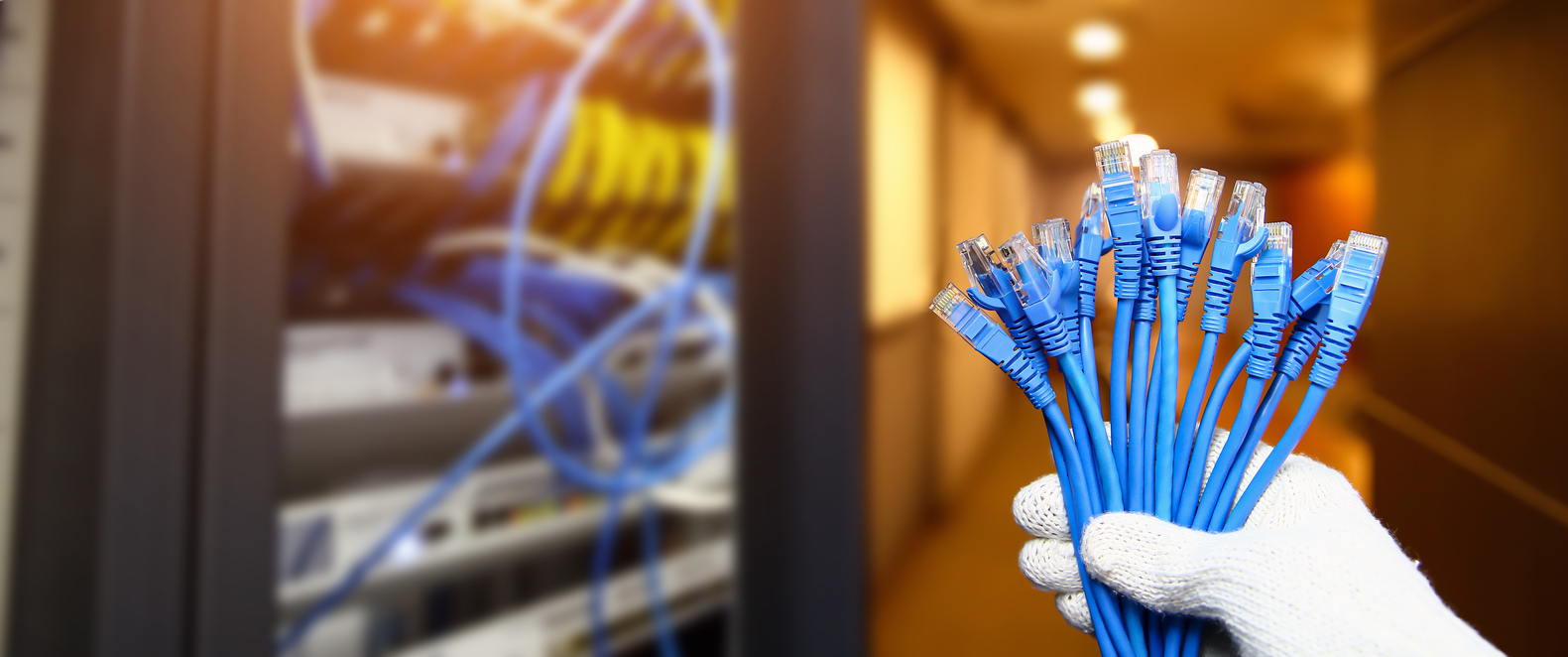
While telecom billing automation is software-driven, it depends heavily on physical infrastructure, including servers, networking equipment, and data centre components.
Efficient sourcing and logistics are essential to ensure these systems operate without disruption.
Wigmore Trading supports telecom operators in Nigeria by:
- Sourcing IT and telecom hardware from global suppliers
- Managing import/export processes and regulatory compliance
- Providing warehousing and distribution solutions
- Ensuring timely delivery of critical equipment
By maintaining a reliable supply chain, operators can deploy and maintain billing automation systems more effectively.
Future Trends in Telecom Billing Automation
The future of telecom billing automation in Nigeria is shaped by technological advancements:
- AI-driven billing and fraud detection
- 5G-enabled real-time charging systems
- Integration with digital services and fintech platforms
- Cloud-native billing architectures
These developments will further improve efficiency, scalability, and customer experience.
Conclusion
Telecom billing automation in Nigeria is no longer optional. It is a critical component of modern telecom operations, enabling accurate billing, improved revenue assurance, and better customer service.
As the industry continues to grow, operators must combine advanced billing technologies with reliable infrastructure and supply chain support to remain competitive.
Wigmore Trading can help. Contact Wigmore Trading today to streamline your sourcing.

Comments are closed.