
Interconnect Settlement Automation in Nigeria: Improving Efficiency in Telecom Operations

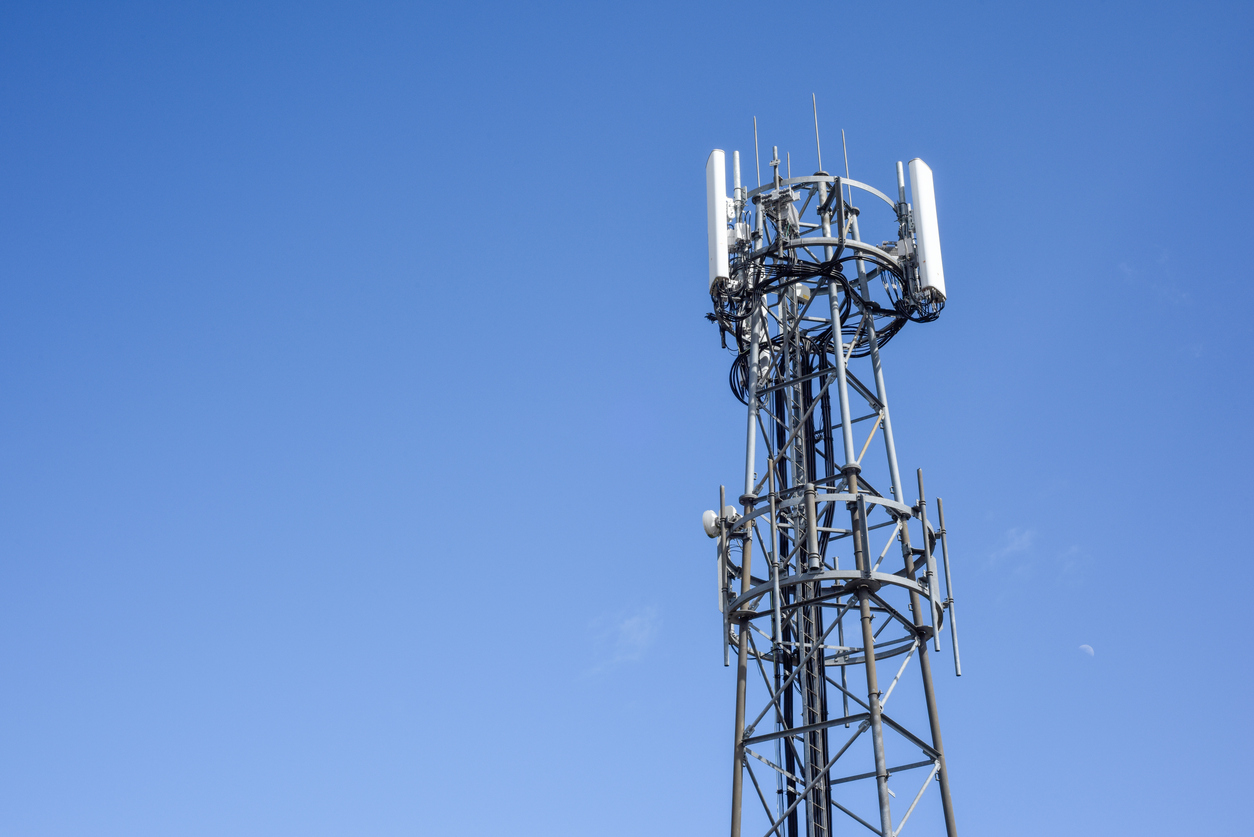
Nigeria’s telecommunications industry relies heavily on accurate and timely financial reconciliation between operators. As call volumes, data usage, and inter-network traffic continue to grow, manual processes are no longer sufficient. This has led to increased adoption of interconnect settlement automation in Nigeria, enabling telecom operators to streamline billing, reduce disputes, and improve revenue assurance.
This article explores how interconnect settlement automation works, its importance in Nigeria’s telecom ecosystem, and how operational partners like Wigmore Trading can support the infrastructure behind these systems.
What Is Interconnect Settlement Automation?
Interconnect settlement automation refers to the use of software systems to manage and reconcile financial transactions between telecom operators. These systems automatically calculate charges for traffic exchanged between networks, generate invoices, and facilitate dispute resolution.
Key Functions of Automated Settlement Systems
- Traffic Data Processing: Aggregates and validates call detail records (CDRs)
- Automated Billing: Calculates interconnect charges based on agreed tariffs
- Invoice Generation: Produces accurate and timely invoices between operators
- Reconciliation: Matches traffic data across networks to identify discrepancies
- Dispute Management: Flags inconsistencies and supports resolution workflows
Automation reduces reliance on manual processes, improving both speed and accuracy.
Why Interconnect Settlement Automation in Nigeria Is Critical
Managing High Traffic Volumes
Nigeria has one of Africa’s largest telecom markets, with millions of daily inter-network interactions. Automated systems are essential to handle this scale efficiently.
Reducing Billing Errors
Manual reconciliation increases the risk of human error. Automation ensures consistent application of tariffs and reduces financial discrepancies.
Enhancing Transparency Between Operators
Automated systems provide detailed reporting and audit trails, improving trust between telecom providers.
Supporting Regulatory Compliance
Operators must adhere to guidelines set by the Nigerian Communications Commission (NCC). Automated systems help ensure accurate reporting and compliance.
Challenges Facing Interconnect Settlement in Nigeria
Despite the benefits, telecom operators face several challenges when implementing automation:
Data Integrity Issues
Inconsistent or incomplete CDRs can lead to inaccurate billing and disputes.
Integration with Legacy Systems
Older billing platforms may not easily integrate with modern automated solutions.
Fraud and Traffic Manipulation
Unreported or bypassed traffic can distort settlement calculations.
Infrastructure Constraints
Reliable power supply, connectivity, and hardware availability remain critical for system uptime.
Practical Approaches to Successful Automation
Upgrade to Scalable Platforms
Operators should invest in systems capable of handling real-time data processing and large-scale traffic volumes.
Strengthen Data Validation
Robust mediation systems ensure that only accurate and verified data enters the settlement process.
Implement Continuous Monitoring
Real-time analytics can detect anomalies early and prevent revenue leakage.
Standardise Interconnect Agreements
Clear and consistent agreements reduce ambiguity in tariff application and billing.
The Role of Logistics and Supply Chain Support
While interconnect settlement automation is primarily a software-driven process, it depends on reliable physical infrastructure. Servers, networking equipment, and data centre components must be sourced, transported, and maintained efficiently.
Wigmore Trading supports telecom operators in Nigeria by:
- Sourcing specialised telecom hardware and IT equipment globally
- Managing import/export processes and regulatory compliance
- Providing warehousing and nationwide distribution solutions
- Ensuring timely delivery of critical infrastructure components
Efficient supply chains help maintain system uptime and support the performance of automated settlement platforms.
Future Trends in Interconnect Settlement Automation
The Nigerian telecom sector is evolving rapidly, and settlement systems are advancing alongside it. Key trends include:
- Cloud-based settlement platforms for scalability and flexibility
- AI-driven analytics for fraud detection and revenue assurance
- Real-time settlement systems reducing reconciliation delays
- Integration with digital payment platforms for faster transactions
Operators that adopt these innovations will be better positioned to manage growth and maintain financial accuracy.
Conclusion
Interconnect settlement automation in Nigeria is essential for ensuring accurate billing, reducing disputes, and improving operational efficiency in the telecom sector. As traffic volumes increase and systems become more complex, automation is no longer optional—it is a necessity.
By combining advanced settlement technologies with reliable logistics and infrastructure support, telecom operators can strengthen their operations and minimise risk.
Wigmore Trading can help. Contact Wigmore Trading today to streamline your sourcing.



Comments are closed.