
Voice Interconnect Billing in Nigeria: A Practical Guide for Telecom Operators

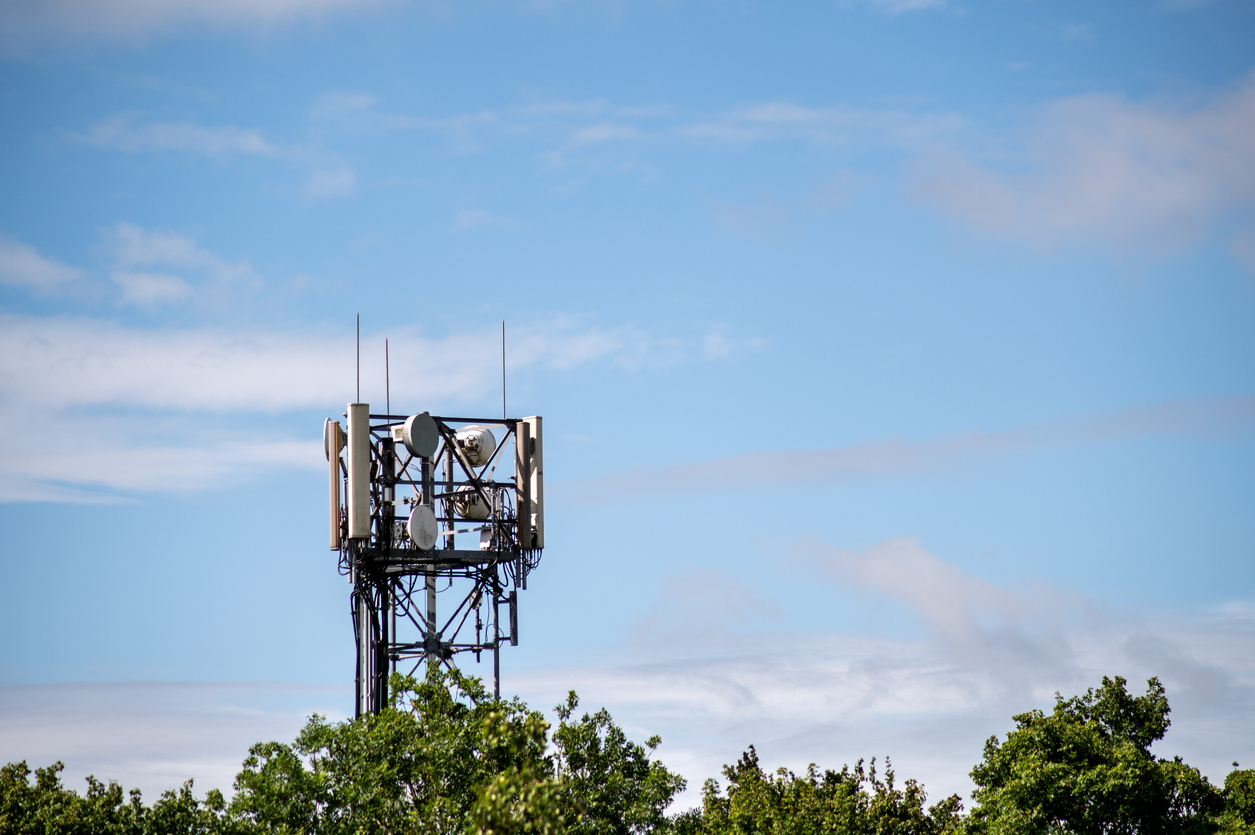
Nigeria’s telecom sector relies heavily on inter-network connectivity to deliver seamless communication services. Every time a subscriber places a call across different networks, a financial process is triggered behind the scenes. This process is known as voice interconnect billing in Nigeria, and it plays a critical role in ensuring accurate revenue sharing between operators.
Understanding how interconnect billing works—and how to manage it efficiently—is essential for telecom providers, infrastructure partners, and service enablers operating in Nigeria.
What Is Voice Interconnect Billing?
Voice interconnect billing refers to the system used by telecom operators to charge one another for terminating calls on their networks. When a call originates from Network A and terminates on Network B, Network A must pay Network B a regulated termination rate.
This process ensures that all operators are fairly compensated for the use of their infrastructure.
How Voice Interconnect Billing Works in Nigeria
Call Flow and Data Generation
- A subscriber initiates a call on their network
- The call is routed through interconnect points to another network
- Call Detail Records (CDRs) are generated by both operators
Rating and Billing
- Each operator processes CDRs through their billing systems
- Termination rates, often guided by the Nigerian Communications Commission (NCC), are applied
- Charges are calculated based on call duration and applicable tariffs
Settlement Between Operators
- Operators exchange invoices periodically (monthly or quarterly)
- Traffic volumes are reconciled
- Payments are made after dispute resolution, if necessary
Key Components of Voice Interconnect Billing in Nigeria
Interconnect Agreements
These agreements define pricing, technical standards, and dispute procedures between telecom operators.
Mediation Systems
Mediation platforms collect and normalise raw call data before it is processed for billing.
Billing and Rating Engines
These systems apply tariffs and generate invoices for inter-operator settlements.
Reconciliation and Dispute Management
Differences in reported traffic can lead to disputes, which must be resolved using agreed verification processes.
Challenges in Voice Interconnect Billing
Data Discrepancies
Differences in CDR records between operators can lead to billing disputes and delayed payments.
High Traffic Volumes
Nigeria’s large telecom market generates significant call traffic, increasing the complexity of billing systems.
Fraud and Bypass Activities
Illegal routing of calls (SIM boxing or grey routes) can result in revenue losses and inaccurate billing.
Regulatory Compliance
Operators must adhere to NCC guidelines on interconnect rates and reporting standards.
Infrastructure Constraints
System downtime, power issues, and network instability can disrupt accurate data capture and billing.
Improving Efficiency in Voice Interconnect Billing
Strengthen Data Accuracy
Investing in reliable mediation systems ensures that only clean, validated data enters the billing process.
Automate Reconciliation
Automation reduces manual errors and speeds up settlement cycles between operators.
Implement Fraud Detection Tools
Monitoring unusual traffic patterns helps identify and prevent revenue leakage.
Maintain Transparent Agreements
Clear interconnect agreements minimise disputes and improve trust between operators.
The Role of Logistics and Supply Chain in Telecom Billing Infrastructure
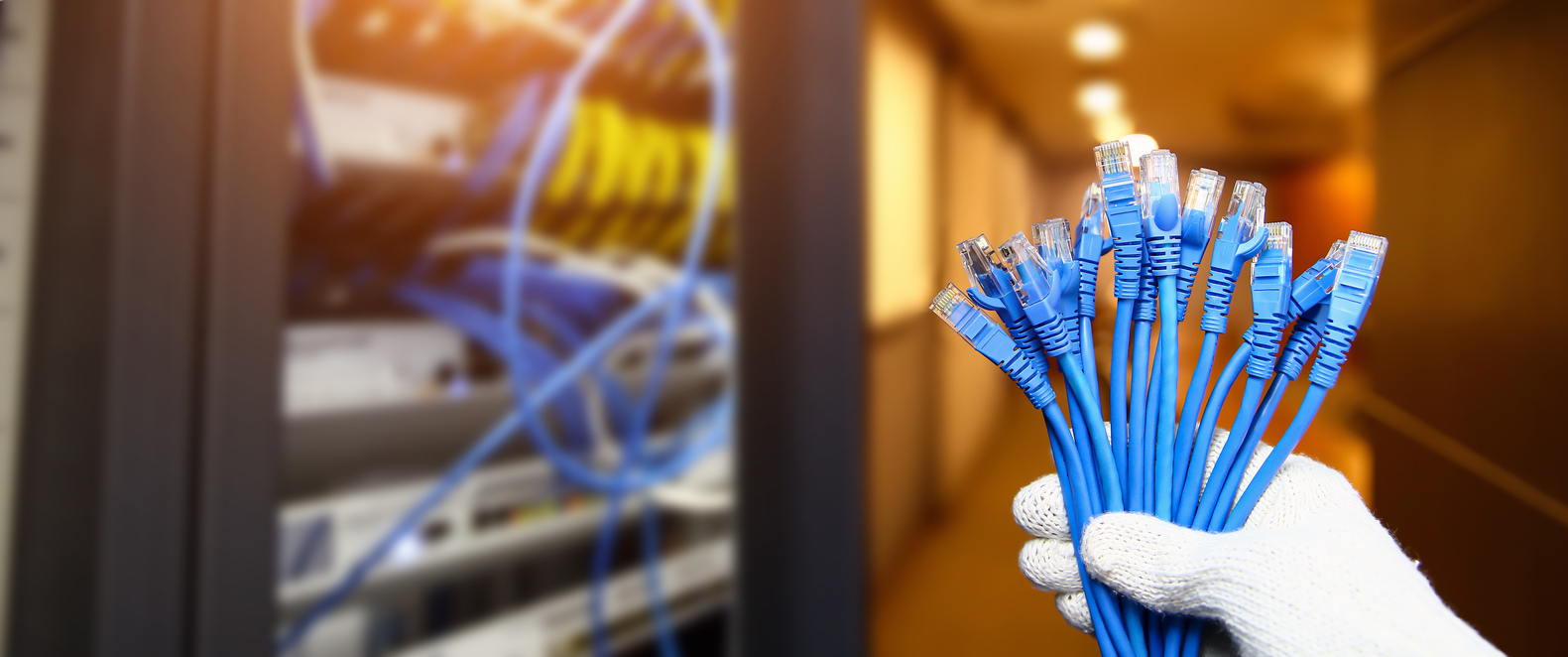
While voice interconnect billing is largely software-driven, the physical infrastructure supporting telecom networks is equally important. Servers, switching equipment, data centres, and network hardware must be consistently available and well-maintained.
Delays in sourcing or replacing critical components can disrupt billing systems and affect revenue cycles.
Wigmore Trading supports telecom operators in Nigeria by:
- Sourcing telecom hardware and infrastructure components globally
- Managing import/export processes and regulatory compliance
- Providing warehousing and last-mile distribution across Nigeria
- Ensuring timely delivery of essential equipment to minimise downtime
By strengthening the supply chain, telecom companies can maintain reliable billing operations and reduce operational risks.
Future Trends in Voice Interconnect Billing in Nigeria
The telecom industry is evolving rapidly, and billing systems are adapting accordingly. Key trends include:
- Migration to IP-based interconnects (VoIP)
- Real-time billing and settlement systems
- Cloud-based billing infrastructure
- Advanced analytics for revenue assurance
As these trends develop, operators will need more scalable and integrated billing solutions to manage increasing complexity.
Conclusion
Voice interconnect billing in Nigeria is a foundational process that ensures fair compensation between telecom operators. Accurate data processing, efficient reconciliation, and strong infrastructure are essential for maintaining financial integrity in the telecom ecosystem.
By combining advanced billing systems with reliable logistics and supply chain support, telecom companies can improve efficiency and reduce disruptions.
Wigmore Trading can help. Contact Wigmore Trading today to streamline your sourcing.

Comments are closed.