
Telecom Tariff Management in Nigeria: Strategies for Accurate Billing and Competitive Pricing


Nigeria’s telecom industry operates in a highly competitive and regulated environment, where pricing accuracy and flexibility are critical. Effective telecom tariff management in Nigeria enables operators to balance profitability, compliance, and customer satisfaction while adapting to evolving market conditions.
This article explores how tariff management works, the challenges telecom operators face, and practical strategies for improving efficiency, supported by strong operational and logistics frameworks.
What Is Telecom Tariff Management?
Telecom tariff management refers to the process of designing, implementing, and maintaining pricing structures for telecom services. These tariffs determine how customers are charged for voice calls, SMS, data usage, and digital services.
Tariff management systems work closely with billing and rating engines to ensure that all services are priced correctly based on predefined rules.
Key Components of Telecom Tariff Management in Nigeria
Tariff Design and Structuring
Operators create pricing plans based on:
- Prepaid and postpaid packages
- Data bundles and promotional offers
- On-net and off-net call rates
- International and roaming charges
Tariffs must remain competitive while covering operational costs and regulatory obligations.
Configuration and Deployment
Once designed, tariffs are configured within billing systems and deployed across networks. This process requires precision to avoid pricing errors or service disruptions.
Monitoring and Optimisation
Operators continuously monitor tariff performance to assess:
- Customer adoption rates
- Revenue generation
- Market competitiveness
Adjustments are made based on consumer behaviour and competitor pricing.
Regulatory Compliance
In Nigeria, the Nigerian Communications Commission (NCC) oversees tariff approvals and ensures fair pricing practices. Operators must comply with guidelines to avoid penalties.
Challenges in Telecom Tariff Management
Complex Pricing Models
Telecom services increasingly involve layered pricing structures, including bundles, bonuses, and time-based rates. Managing these complexities can lead to configuration errors.
Frequent Market Changes
Operators must regularly update tariffs to remain competitive, increasing the risk of inconsistencies across systems.
Integration with Legacy Systems
Many telecom providers still rely on older infrastructure, making it difficult to implement modern tariff strategies seamlessly.
Data Accuracy and Billing Risks
Incorrect tariff configurations can result in:
- Revenue leakage
- Customer dissatisfaction
- Regulatory issues
Improving Telecom Tariff Management in Nigeria
Implement Centralised Tariff Management Systems
A unified platform reduces inconsistencies and ensures all pricing updates are applied uniformly across services.
Automate Tariff Updates
Automation minimises human error and accelerates deployment of new pricing models.
Strengthen Testing and Validation
Before rollout, tariffs should undergo rigorous testing to ensure accuracy across different usage scenarios.
Align Tariffs with Market Data
Using analytics to track customer behaviour helps operators design tariffs that are both competitive and profitable.
The Role of Infrastructure and Supply Chain Efficiency
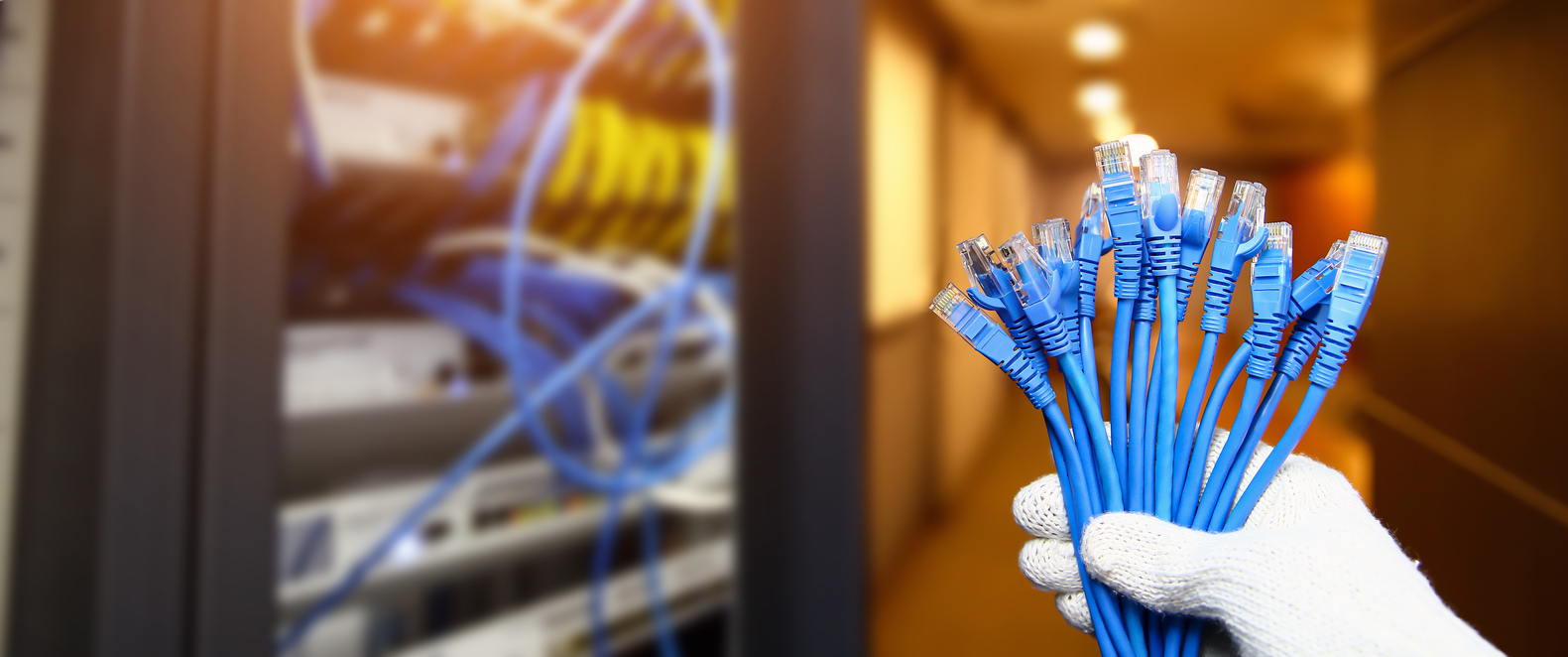
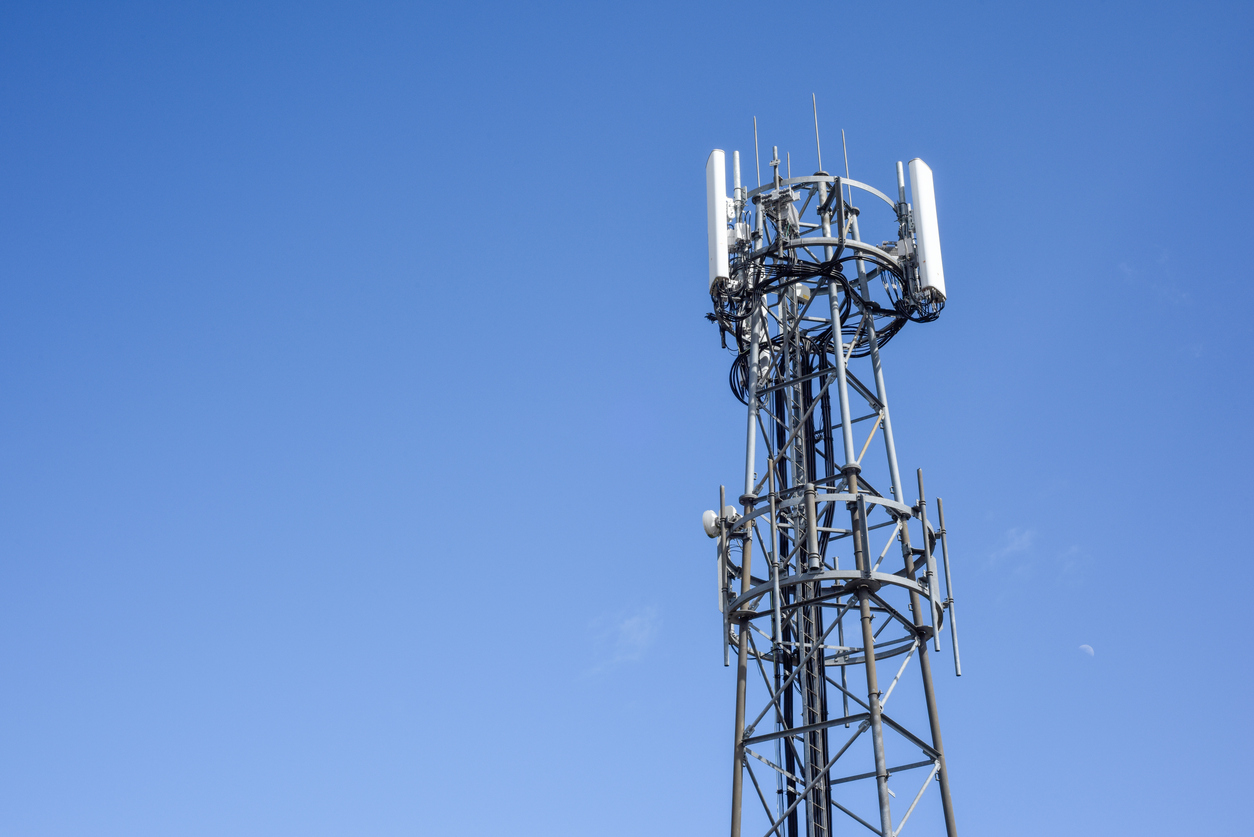
Effective tariff management depends not only on software systems but also on reliable infrastructure. Telecom operators require consistent access to hardware, servers, networking equipment, and power solutions to maintain system uptime.
Supply chain disruptions can delay system upgrades or impact service delivery, indirectly affecting tariff implementation and billing accuracy.
Wigmore Trading supports telecom companies in Nigeria by:
- Sourcing telecom hardware and technical equipment globally
- Managing import/export processes and regulatory documentation
- Providing warehousing and distribution solutions
- Ensuring timely delivery of critical infrastructure components
By maintaining a reliable supply chain, operators can deploy and manage tariff systems more efficiently.
Future Trends in Telecom Tariff Management
Dynamic and Personalised Pricing
Operators are increasingly adopting data-driven pricing models tailored to individual usage patterns.
Real-Time Charging Integration
Tariff management systems are evolving to support real-time billing, especially for prepaid and digital services.
Cloud-Based Platforms
Cloud solutions offer scalability and flexibility, enabling faster tariff updates and reduced infrastructure costs.
Regulatory Evolution
As Nigeria’s telecom sector grows, regulatory frameworks will continue to evolve, requiring adaptable tariff management systems.
Conclusion
Telecom tariff management in Nigeria plays a crucial role in ensuring accurate billing, regulatory compliance, and competitive positioning. As pricing models become more complex, operators must invest in robust systems, automation, and reliable infrastructure to maintain efficiency.
Strong operational support, including dependable sourcing and logistics, is essential for sustaining these systems and enabling continuous improvement.
Wigmore Trading can help. Contact Wigmore Trading today to streamline your sourcing.


Comments are closed.