
Innovative Approaches: How to Finance Energy Infrastructure in Sanctioned Countries
Talk to us about this service
Trade, import, logistics, sourcing — whatever you're planning, the fastest way to a quote is a WhatsApp message. Our team replies during Lagos business hours.
WhatsApp usYour message tells us which page you came from
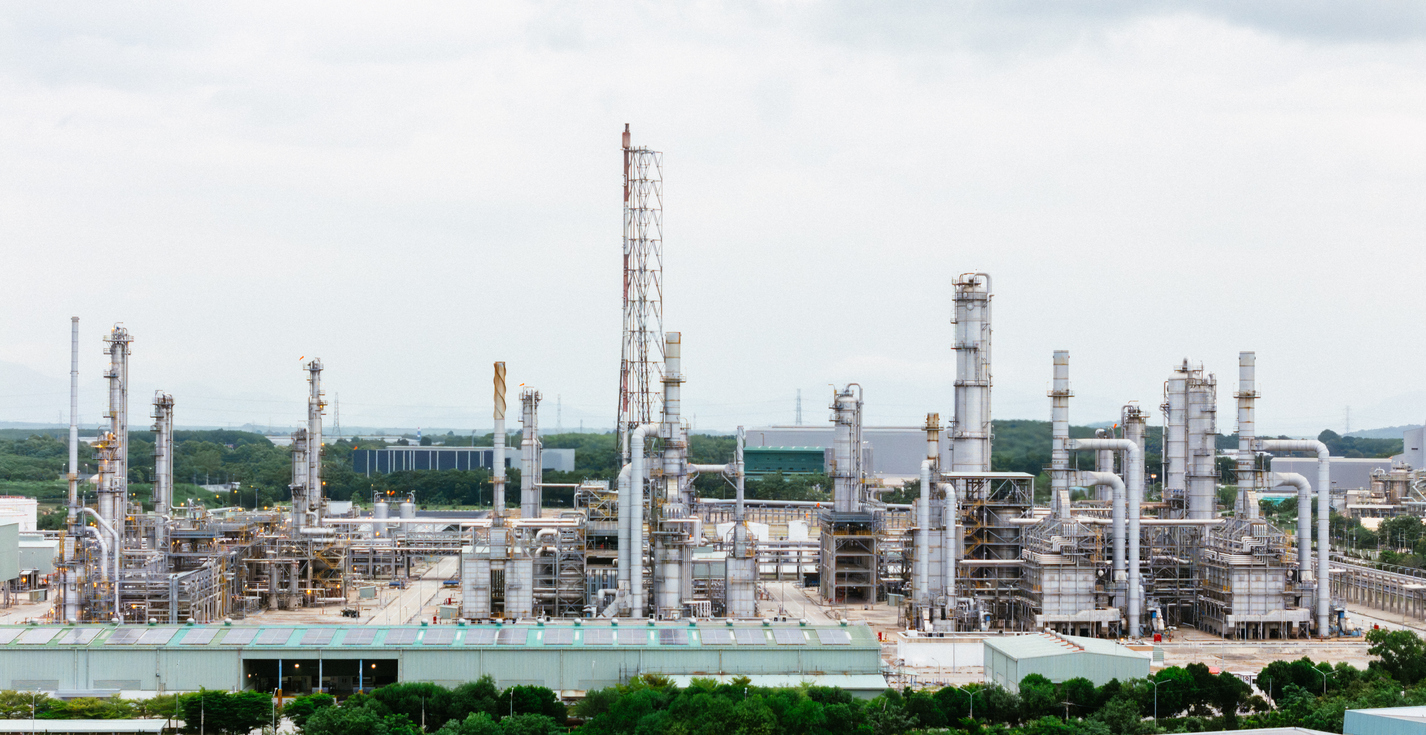
Financing energy infrastructure in sanctioned countries presents a complex challenge for investors, governments, and supply chain partners. Restrictions on international banking systems, limited access to capital markets, and compliance risks can delay or halt critical energy projects. However, with the right strategies and partnerships, it is still possible to fund and execute infrastructure development while maintaining regulatory compliance.
This article explores practical approaches to financing energy infrastructure in sanctioned markets and highlights how experienced trade partners like Wigmore Trading can support procurement, logistics, and compliance processes.
Understanding the Barriers to Energy Infrastructure Financing
Sanctions typically restrict access to global financial systems, limiting the ability to secure loans, process payments, or attract foreign direct investment. Key challenges include:
- Limited access to international banks and SWIFT systems
- Heightened compliance and due diligence requirements
- Currency volatility and payment risks
- Supply chain disruptions due to restricted trade routes
These constraints make traditional project financing models difficult to implement. As a result, alternative financing mechanisms are often required.
Alternative Models for Financing Energy Projects
1. Structured Trade Finance Solutions
Structured trade finance allows businesses to fund infrastructure projects using commodity-backed or asset-backed arrangements. This approach reduces reliance on conventional banking channels.
For example, energy projects can be financed through:
- Pre-export financing secured by future energy output
- Commodity-backed loans using oil, gas, or minerals as collateral
- Supplier credit arrangements
Wigmore Trading can support these models by facilitating reliable sourcing of equipment and managing supplier relationships, ensuring projects remain operational despite financing limitations.
2. Regional and Local Banking Partnerships
In sanctioned environments, local and regional financial institutions often play a critical role. These banks may not be subject to the same restrictions as global institutions and can provide:
- Local currency financing
- Project-specific credit facilities
- Payment structuring solutions
Working with experienced intermediaries helps ensure compliance while maintaining access to essential funding channels.
Leveraging Public-Private Partnerships (PPPs)
Public-private partnerships are increasingly used to finance large-scale infrastructure in challenging markets. Governments collaborate with private investors to share risk and funding responsibilities.
Key benefits include:
- Reduced financial burden on governments
- Access to private sector expertise
- Improved project efficiency and accountability
However, PPPs require strong governance structures and transparent procurement processes. Wigmore Trading can assist by coordinating procurement logistics and ensuring timely delivery of critical materials.
Navigating Compliance and Risk Management
Compliance is one of the most critical aspects when financing energy infrastructure in sanctioned countries. Failure to adhere to regulations can result in severe legal and financial consequences.
Best practices include:
- Conducting thorough due diligence on all partners
- Ensuring transparency in financial transactions
- Working with compliance-focused logistics and trade partners
Wigmore Trading supports businesses by managing supply chain compliance, documentation, and regulatory requirements, reducing operational risk.
The Role of Multilateral and Non-Traditional Funding Sources
While traditional international lenders may be restricted, alternative funding sources can still play a role:
- Regional development banks
- Sovereign wealth funds
- Private equity firms specialising in high-risk markets
- Energy-focused investment funds
These institutions often have mandates to support infrastructure development in emerging or restricted markets, making them valuable partners.
Supply Chain Considerations in Energy Projects
Financing alone is not enough—successful energy infrastructure projects depend on efficient supply chains. Sanctions can complicate procurement, shipping, and customs clearance.
Common challenges include:
- Limited access to certified suppliers
- Shipping restrictions and route limitations
- Delays in customs clearance due to compliance checks
Wigmore Trading helps address these issues by offering end-to-end logistics support, supplier sourcing, and documentation management. This ensures that critical equipment reaches project sites without unnecessary delays.
Building Resilient Financing Strategies
To succeed in sanctioned environments, businesses must adopt flexible and resilient financing strategies. This includes:
- Diversifying funding sources
- Structuring payments creatively
- Partnering with experienced trade and logistics providers
- Prioritising compliance at every stage
A well-planned approach reduces risk while enabling continued investment in essential energy infrastructure.
Conclusion
Understanding how to finance energy infrastructure in sanctioned countries requires a combination of financial innovation, regulatory awareness, and strong operational partnerships. While challenges are significant, they are not insurmountable.
By leveraging alternative financing models, regional partnerships, and robust supply chain solutions, businesses can successfully develop energy projects in restricted markets.
Wigmore Trading can help. Contact Wigmore Trading today to streamline your sourcing and logistics processes.
No Comments Yet.





Comments are closed.