
Guangzhou Suppliers for Nigeria Buyers: A Practical Sourcing Guide


Trade between China and Nigeria continues to grow, with Guangzhou standing out as one of the most important sourcing hubs for Nigerian importers. Known for its extensive wholesale markets, manufacturing clusters, and export infrastructure, Guangzhou offers access to a wide range of products across FMCG, electronics, fashion, machinery, and building materials.
For businesses seeking Guangzhou suppliers for Nigeria buyers, understanding how to identify reliable partners, manage logistics, and ensure compliance is critical to long-term success.
Why Guangzhou Suppliers for Nigeria Buyers Are So Important
Guangzhou is one of China’s largest commercial cities and a gateway for international trade. It hosts major wholesale markets such as Yiwu Market extensions, Baiyun District wholesale hubs, and Canton Fair exhibitions, making it a preferred sourcing destination.
For Nigeria buyers, Guangzhou suppliers offer:
-
Competitive factory pricing
-
Large product variety
-
Flexible order quantities in many sectors
-
Established export systems
-
Access to both manufacturers and trading companies
From consumer electronics and fashion accessories to household goods and packaged foods, Guangzhou’s supply base aligns closely with Nigeria’s high-demand import categories.
However, sourcing successfully requires more than identifying low prices.
Key Challenges When Working with Guangzhou Suppliers for Nigeria Buyers
While Guangzhou presents strong opportunities, Nigeria buyers often encounter operational and commercial challenges.
Supplier Verification and Quality Control
Not all Guangzhou suppliers operate at the same standards. Some are manufacturers, while others are intermediaries. Without proper due diligence, buyers may face inconsistent product quality or misrepresented specifications.
On-site inspections, product sampling, and factory audits are essential. For buyers unable to travel frequently, working with a sourcing partner can reduce risk.
Communication and Specification Clarity
Language barriers and unclear technical specifications can result in incorrect production. Small misunderstandings in packaging, labeling, or voltage standards can create costly delays.
Clear contracts, detailed purchase orders, and pre-shipment inspections help minimize these issues.
Logistics and Freight Complexity
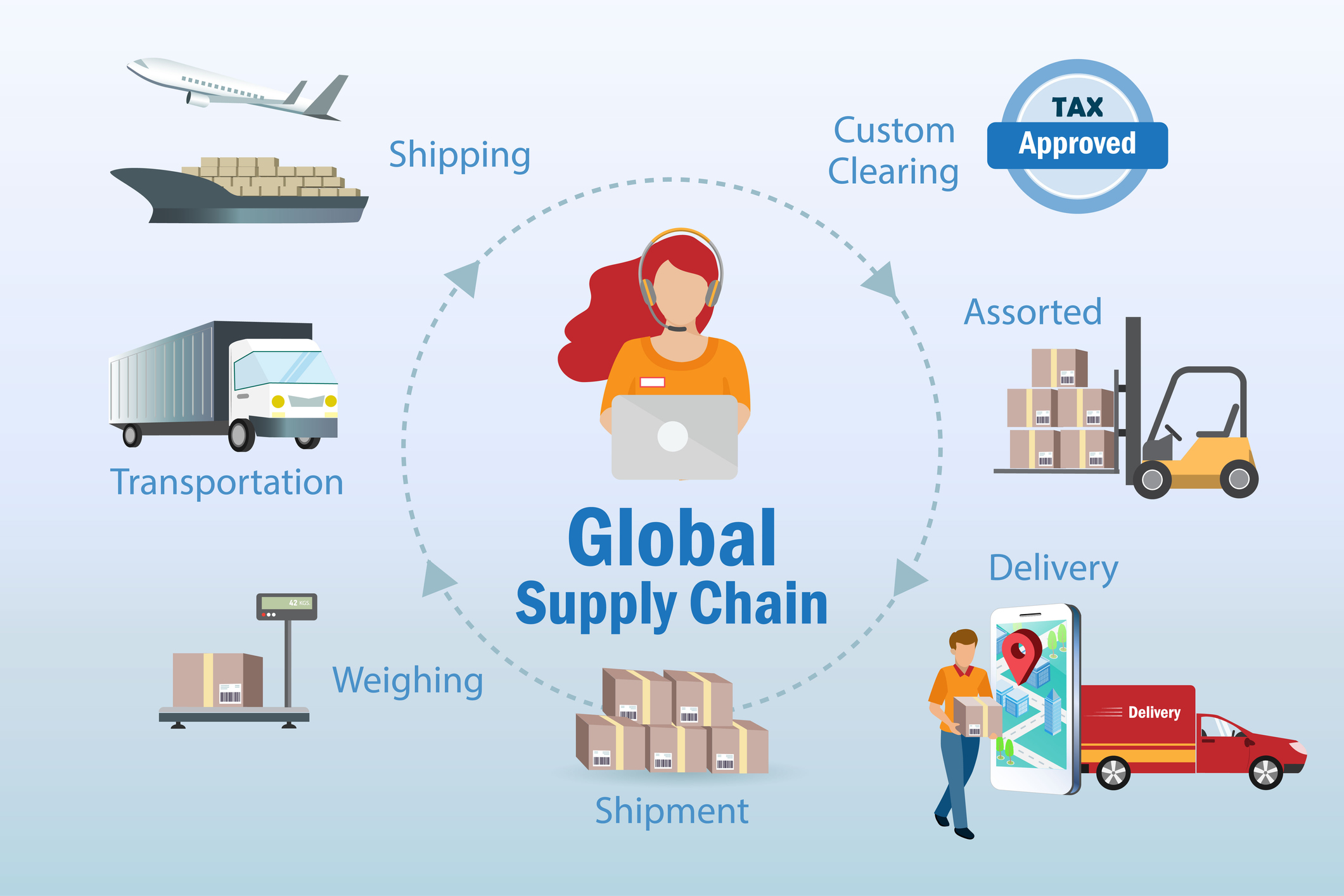
Shipping from Guangzhou to Nigeria involves multiple steps:
-
Inland transport from factory to port
-
Export customs clearance in China
-
Ocean freight or air freight
-
Nigerian customs clearance
-
Inland distribution
Without proper coordination, delays at ports such as Apapa or Tin Can Island can significantly increase costs.
Product Categories Popular with Nigeria Buyers in Guangzhou
Nigeria buyers frequently source the following from Guangzhou suppliers:
-
Fast-moving consumer goods (FMCG)
-
Mobile accessories and electronics
-
Fashion apparel and footwear
-
Home appliances
-
Building materials
-
Industrial tools and machinery
-
Packaging materials
Understanding Nigerian market demand is essential before placing bulk orders. Importers must also ensure compliance with SON (Standards Organisation of Nigeria) requirements and other regulatory approvals where applicable.
How to Identify Reliable Guangzhou Suppliers for Nigeria Buyers
Finding reliable Guangzhou suppliers requires a structured approach.
1. Verify Business Credentials
Check business licenses, export permits, and years of operation. Confirm whether the supplier is a factory or a trading company. Each has advantages, but transparency is essential.
2. Request Product Samples
Never rely solely on catalog photos. Physical samples allow buyers to assess material quality, finishing, and durability before committing to volume orders.
3. Conduct Factory or Third-Party Inspections
Factory visits or third-party quality control inspections help verify production capacity and operational standards. This is particularly important for high-value or technical goods.
4. Negotiate Payment Terms Carefully
Standard payment terms often include 30% deposit and 70% balance before shipment. Buyers should use secure banking channels and avoid informal payment methods.
Working with experienced trade intermediaries can help structure safer payment arrangements.
Managing Shipping from Guangzhou to Nigeria
Freight planning is a critical component of sourcing success.
Choosing Between Sea and Air Freight
-
Sea freight is more economical for bulk shipments.
-
Air freight is suitable for urgent or high-value, low-volume goods.
Container consolidation (LCL) can reduce costs for smaller shipments. Proper documentation, including commercial invoices, packing lists, and bill of lading, must be accurate to prevent clearance issues in Nigeria.
Customs Compliance and Regulatory Requirements
Nigeria buyers must comply with import regulations, including:
-
Form M processing
-
PAAR documentation
-
SONCAP certification where required
-
Accurate HS code classification
Failure to meet regulatory standards can result in cargo seizure or heavy demurrage charges.
Risk Mitigation Strategies for Nigeria Buyers
To reduce exposure when dealing with Guangzhou suppliers, businesses should:
-
Diversify supplier relationships
-
Use clear contracts with product specifications
-
Implement quality control checks
-
Work with experienced freight forwarders
-
Plan inventory cycles around shipping lead times
Strategic sourcing is not simply about finding the cheapest supplier; it is about building a sustainable and compliant supply chain.
How Wigmore Trading Supports Nigeria Buyers Sourcing from Guangzhou
For businesses that lack on-ground presence in China or deep logistics expertise, managing Guangzhou suppliers can become complex.
Wigmore Trading supports Nigeria buyers by:
-
Assisting with supplier sourcing and verification
-
Coordinating product inspections and quality control
-
Managing freight forwarding and shipping logistics
-
Supporting customs documentation and regulatory compliance
-
Providing distribution support within Nigeria
By integrating sourcing, logistics, and compliance services, businesses can reduce risk and focus on growing their market share rather than troubleshooting supply chain issues.
Building Long-Term Trade Relationships with Guangzhou Suppliers
Strong trade relationships are built on consistency, transparency, and clear communication. Nigeria buyers who invest in due diligence and professional supply chain management are more likely to secure stable pricing, reliable quality, and better negotiation leverage over time.
As trade between Nigeria and China continues to expand, Guangzhou will remain a key sourcing hub. Success depends on structured processes, verified suppliers, and efficient logistics management.
Businesses looking to strengthen their sourcing operations from China should approach the process strategically. Wigmore Trading can help.





Comments are closed.