
How to Register a Security Company in Nigeria: A Complete Guide

Talk to us about this service
Trade, import, logistics, sourcing — whatever you're planning, the fastest way to a quote is a WhatsApp message. Our team replies during Lagos business hours.
WhatsApp usYour message tells us which page you came from
Starting a private security company in Nigeria can be a viable business opportunity, especially with the growing demand for asset protection, personnel safety, and risk management services. However, the process involves strict regulatory compliance, licensing, and operational planning. This guide explains how to register a security company in Nigeria while highlighting key requirements and practical considerations.
Understanding the Regulatory Framework
In Nigeria, private security companies are regulated by the Nigeria Security and Civil Defence Corps (NSCDC). Any business offering security guard services, surveillance, or protection must obtain a license from the NSCDC before commencing operations.
Failure to comply with these regulations can lead to penalties or closure, making it essential to follow the correct registration process from the outset.
Step-by-Step Guide on How to Register a Security Company in Nigeria
1. Register Your Business with CAC
The first step is to register your company with the Corporate Affairs Commission (CAC). You must register as a limited liability company, as sole proprietorships are not permitted for private security firms.
Key requirements include:
- A unique company name
- Minimum share capital (often ₦10 million or more, depending on NSCDC requirements)
- At least two directors
- Memorandum and Articles of Association reflecting security services
2. Meet NSCDC Licensing Requirements
After CAC registration, apply for a license from the NSCDC. The process includes:
- Submission of application forms
- Company profile and business plan
- Evidence of share capital
- Tax clearance certificates for directors
- Police clearance reports for directors
- Bank reference letters
There are typically two categories of licenses:
- Guarding License (for personnel-based security services)
- Consultancy License (for advisory and risk management services)
3. Office Setup and Inspection
The NSCDC requires a physical office location before approval. The office will be inspected to ensure it meets operational standards, including:
- Adequate infrastructure
- Communication systems
- Record-keeping processes
This step ensures the company has the capacity to deliver professional security services.
4. Recruit and Train Personnel
Security companies must employ qualified personnel. Guards are usually required to undergo background checks and basic training.
Key considerations:
- Staff must have valid identification
- Training programs should align with NSCDC standards
- Proper uniforms and equipment must be provided
5. Obtain Additional Certifications
Depending on your scope of services, you may need additional permits, such as:
- Firearms permits (highly restricted and regulated)
- Health and safety compliance certifications
- Insurance coverage for staff and operations
Operational Challenges and Practical Solutions
Regulatory Complexity
Navigating multiple approvals can delay market entry. Working with experienced partners or consultants can streamline the process and reduce compliance risks.
Supply Chain and Equipment Sourcing
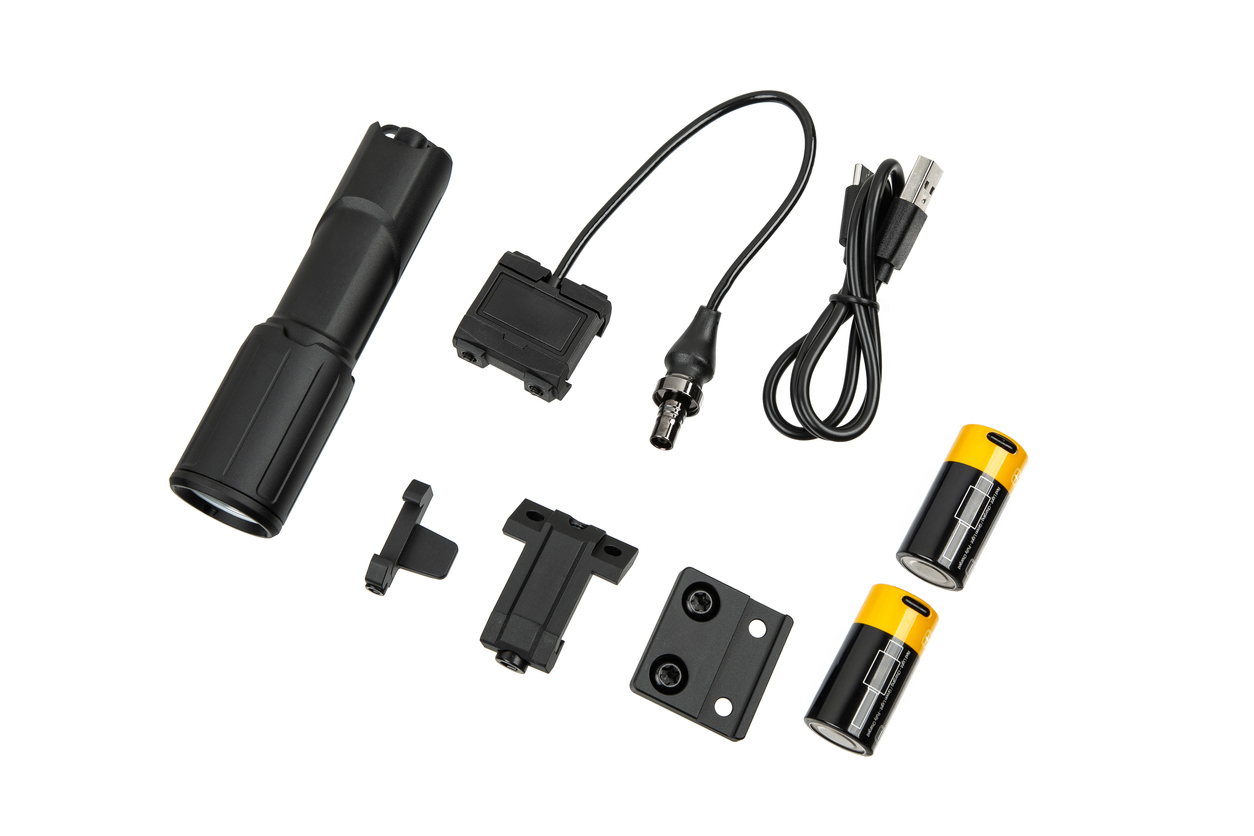
Security companies require uniforms, communication devices, vehicles, and surveillance equipment. Sourcing these items reliably and cost-effectively is essential for operational efficiency.
Wigmore Trading can support businesses by sourcing high-quality equipment, managing imports, and ensuring compliance with Nigerian regulations. This helps security firms focus on service delivery rather than procurement challenges.
Logistics and Distribution
For companies operating across multiple locations, logistics becomes critical. Efficient distribution of equipment and personnel ensures consistent service quality.
Partnering with a logistics provider like Wigmore Trading can improve supply chain coordination, especially for companies expanding across Nigeria or into other African markets.
Compliance and Documentation
Maintaining proper records, licenses, and staff documentation is an ongoing requirement. Implementing structured processes from the beginning reduces the risk of regulatory issues.
Cost Considerations
Starting a security company in Nigeria involves several costs, including:
- CAC registration fees
- NSCDC licensing fees
- Office setup expenses
- Staff recruitment and training
- Equipment procurement
Budgeting accurately is important to ensure sustainability in the early stages of the business.
Growth Opportunities in Nigeria’s Security Sector
The demand for private security services continues to grow due to urbanisation, infrastructure development, and increased business activity. Opportunities exist in:
- Corporate security services
- Residential estate protection
- Event security management
- Industrial and logistics security
Companies that maintain compliance, professionalism, and operational efficiency are better positioned to scale successfully.
Conclusion
Understanding how to register a security company in Nigeria requires careful attention to legal, operational, and financial requirements. From CAC registration to NSCDC licensing and ongoing compliance, each step plays a critical role in building a credible and sustainable business.
By addressing sourcing, logistics, and compliance challenges early, security companies can operate more efficiently and focus on delivering reliable services. Wigmore Trading can help streamline procurement, importation, and supply chain management for security businesses looking to scale.
Contact Wigmore Trading today to streamline your sourcing.
No Comments Yet.





Comments are closed.