
International Interconnect Billing in Nigeria: A Practical Guide for Telecom Operators
Talk to us about this service
Trade, import, logistics, sourcing — whatever you're planning, the fastest way to a quote is a WhatsApp message. Our team replies during Lagos business hours.
WhatsApp usYour message tells us which page you came from
Nigeria’s telecom sector depends on seamless connectivity not only within the country but also across international networks. As cross-border communication grows, international interconnect billing in Nigeria becomes increasingly important for ensuring accurate revenue sharing between global telecom operators.
This article explains how international interconnect billing works, the challenges involved, and how businesses can improve efficiency through better systems and supply chain support.
What Is International Interconnect Billing?
International interconnect billing refers to the process of charging and settling payments between telecom operators for handling international voice, SMS, and data traffic.
When a call originates from one country and terminates in Nigeria (or vice versa), multiple operators may be involved. Each operator charges a fee for carrying the traffic across their network.
Key Elements of International Interconnect Billing
- Call Detail Records (CDRs): Data generated for each call or message
- Termination Rates: Charges applied by the receiving network
- Routing Agreements: Defined paths for international traffic
- Currency Conversion: Billing often occurs in foreign currencies
- Settlement Cycles: Agreed timelines for payment reconciliation
In Nigeria, operators must ensure that all international traffic is accurately recorded and billed to avoid revenue loss.
How International Interconnect Billing in Nigeria Works
Traffic Origination and Routing
International calls are routed through carriers or wholesale telecom providers before reaching Nigerian networks. Each segment of the route incurs a cost.
Rating and Billing
The telecom rating engine calculates charges based on agreed tariffs. This ensures that every minute of international traffic is billed correctly.
Invoice Generation
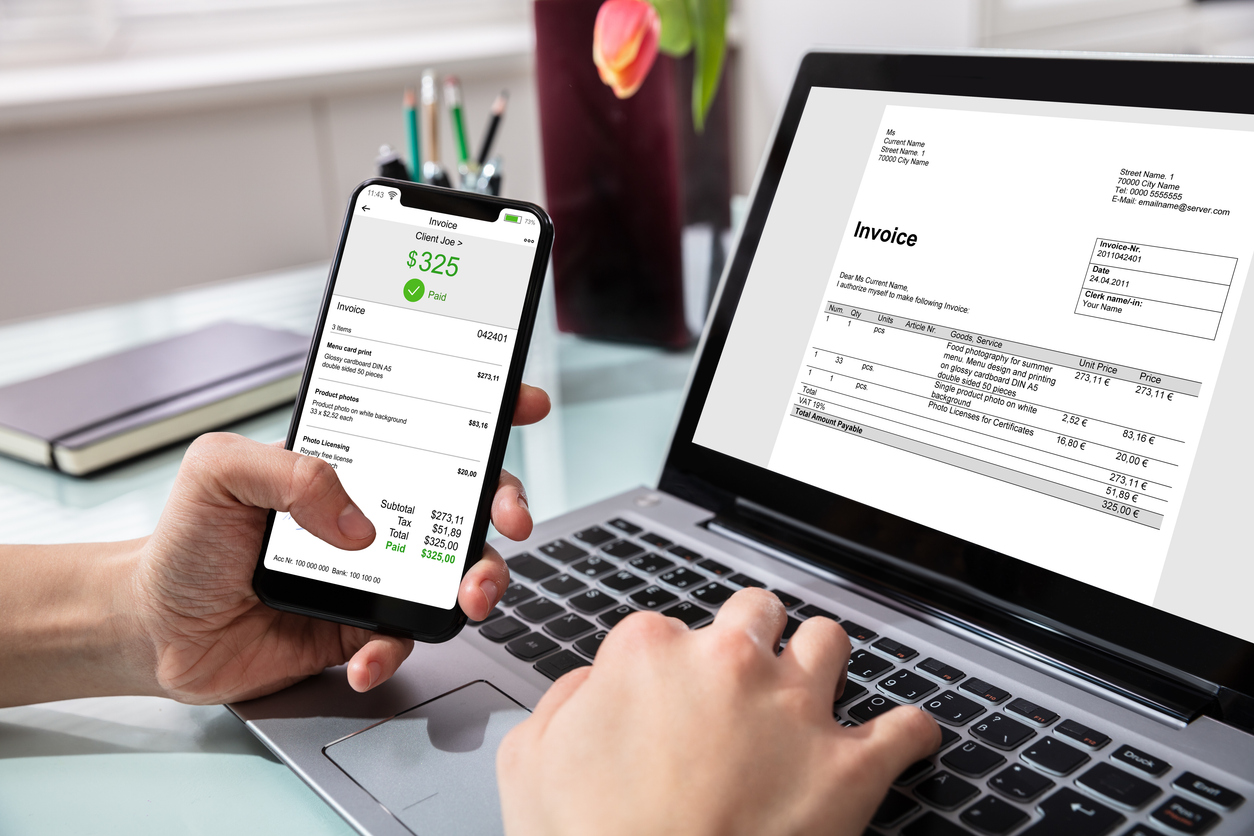
Operators generate invoices for incoming and outgoing traffic. These invoices include detailed traffic summaries and applicable rates.
Settlement and Reconciliation
Payments are made between operators after verifying traffic data. Discrepancies are addressed through dispute resolution processes.
Why International Interconnect Billing Matters
Accurate international interconnect billing in Nigeria is critical for:
- Revenue Protection: Preventing underbilling or missed charges
- Operational Transparency: Ensuring trust between international partners
- Regulatory Compliance: Meeting Nigerian Communications Commission (NCC) standards
- Business Continuity: Maintaining uninterrupted global connectivity
Even small inaccuracies can lead to significant financial discrepancies due to high traffic volumes.
Challenges in International Interconnect Billing
1. Complex Routing Structures
International traffic may pass through multiple carriers, making tracking and billing more complicated.
2. Currency Fluctuations
Exchange rate volatility can impact settlement values and financial planning.
3. Data Accuracy Issues
Incomplete or inconsistent CDRs can lead to billing disputes.
4. Fraud and Bypass Traffic
Unauthorised routing methods can reduce legitimate revenue for operators.
5. Regulatory Requirements
Operators must comply with local and international telecom regulations.
Strategies to Improve Billing Accuracy
Implement Advanced Rating Systems
Modern billing platforms ensure precise calculation of international traffic charges.
Strengthen Interconnect Agreements
Clear contractual terms reduce ambiguity and disputes.
Automate Reconciliation Processes
Automation helps identify discrepancies quickly and improves efficiency.
Monitor Traffic Patterns
Regular analysis can detect fraud and unusual routing behaviour.
The Role of Logistics and Trade Support in Telecom Operations
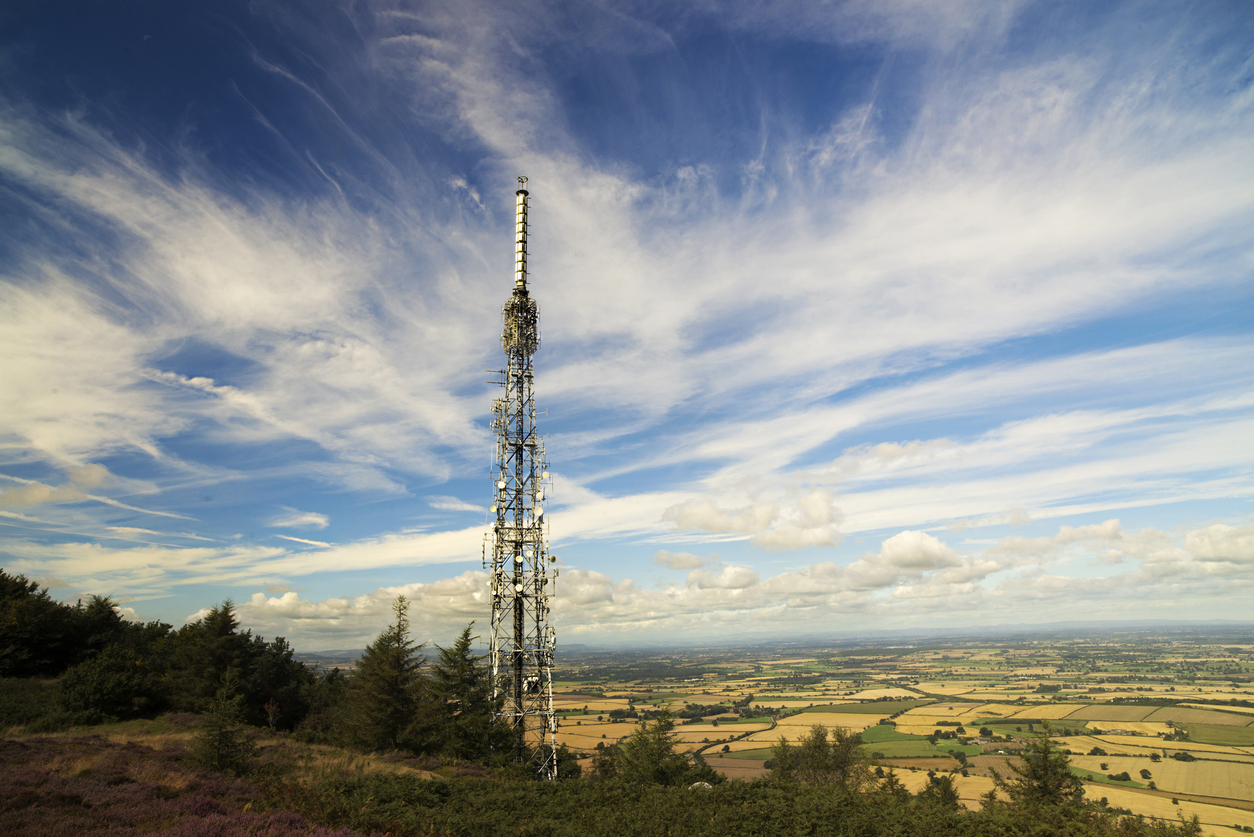
Although international interconnect billing is largely digital, physical infrastructure plays a crucial role. Telecom networks rely on imported equipment such as switches, servers, cables, and data centre hardware.
Efficient supply chain management ensures that billing and routing systems remain operational.
Wigmore Trading supports telecom operators in Nigeria by:
- Sourcing telecom infrastructure and equipment globally
- Managing import/export processes and customs compliance
- Providing warehousing and distribution solutions
- Ensuring timely delivery of critical network components
By maintaining a reliable supply chain, telecom companies can reduce downtime and support the systems required for accurate billing and settlement.
Future Trends in International Telecom Billing
Nigeria’s telecom sector is evolving alongside global trends:
- Increased use of cloud-based billing systems
- Real-time international settlement platforms
- Blockchain for transparent inter-operator billing
- AI-driven fraud detection and revenue assurance
Operators that adapt to these trends will be better positioned to manage growing international traffic efficiently.
Conclusion
International interconnect billing in Nigeria is essential for managing cross-border telecom traffic and ensuring fair compensation between operators. With increasing global connectivity, accurate billing systems, strong agreements, and efficient infrastructure are more important than ever.
Combining advanced technology with reliable logistics and sourcing support can significantly improve operational performance and reduce risks.
Wigmore Trading can help. Contact Wigmore Trading today to streamline your sourcing.
No Comments Yet.



Comments are closed.