
Powering Growth in Emerging Markets: Why Microgrid Solutions Are Transforming Unstable Electricity Markets

Talk to us about this service
Trade, import, logistics, sourcing — whatever you're planning, the fastest way to a quote is a WhatsApp message. Our team replies during Lagos business hours.
WhatsApp usYour message tells us which page you came from
Reliable electricity remains one of the most critical constraints to business growth across many emerging economies. In regions where grid instability, outages, and inconsistent supply are common, companies face higher operational costs, production delays, and supply chain disruptions. As a result, microgrid solutions for unstable electricity markets are gaining traction as a practical and scalable alternative.
This article explores how microgrids work, their commercial advantages, and how businesses—particularly in import/export, FMCG, and distribution—can leverage them to improve resilience and efficiency.
Understanding Microgrid Solutions for Unstable Electricity Markets
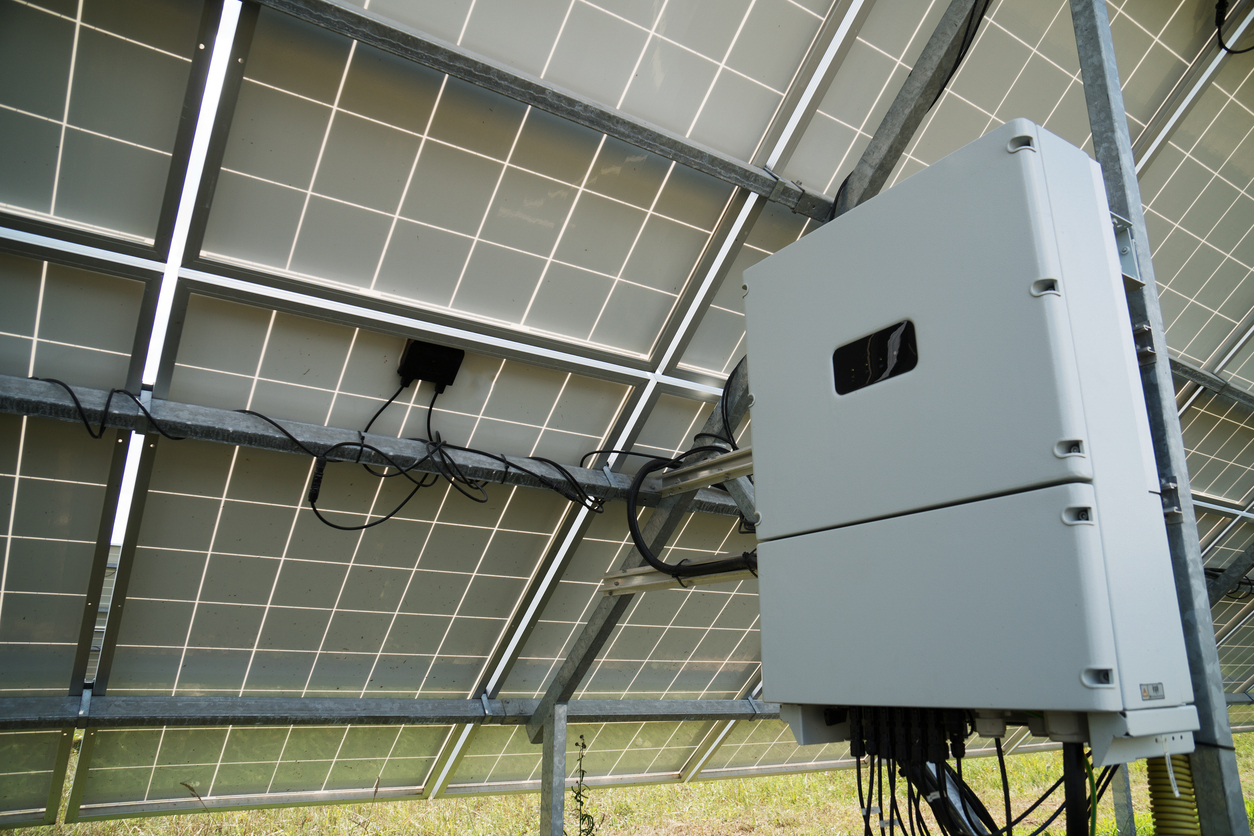
A microgrid is a localized energy system capable of operating independently or alongside the main grid. It typically combines energy generation sources—such as solar panels, diesel generators, or battery storage—with smart controls to manage supply and demand.
In unstable electricity markets, microgrids provide businesses with greater control over their power supply. Instead of relying solely on unreliable national grids, companies can generate and manage their own electricity, ensuring continuity during outages.
The Business Impact of Unreliable Power Supply
Frequent power interruptions affect multiple sectors across Africa and other emerging markets. For businesses involved in manufacturing, cold storage, logistics, or wholesale distribution, unreliable electricity can lead to:
- Spoilage of perishable goods in FMCG supply chains
- Downtime in production facilities
- Increased reliance on expensive backup generators
- Delays in order fulfillment and distribution
These challenges directly impact profitability and customer satisfaction. For importers and distributors, disruptions at warehouses or ports can also create bottlenecks across the supply chain.
How Microgrid Solutions Improve Operational Efficiency
Reduced Energy Costs Over Time
While initial investment in microgrid infrastructure can be significant, long-term savings often outweigh upfront costs. Businesses can reduce dependence on diesel generators and benefit from renewable energy sources like solar.
Enhanced Reliability and Continuity
Microgrids provide a consistent power supply, minimizing downtime. This is especially critical for industries such as food distribution, pharmaceuticals, and manufacturing, where interruptions can lead to financial losses.
Energy Independence and Flexibility
By generating their own power, businesses gain independence from national grid fluctuations. This flexibility allows companies to scale operations without being constrained by unreliable infrastructure.
Applications Across Key Industries
FMCG and Cold Chain Logistics
Maintaining temperature-controlled environments is essential in FMCG distribution. Microgrid solutions ensure uninterrupted refrigeration, preserving product quality and reducing waste.
Warehousing and Distribution Hubs
Distribution centers rely heavily on electricity for inventory systems, lighting, and handling equipment. Microgrids enable consistent operations, even during grid failures.
Manufacturing and Processing
For manufacturers, stable energy supply is crucial for maintaining production schedules. Microgrids reduce downtime and improve output consistency.
Integrating Microgrids into Supply Chains
Adopting microgrid solutions requires careful planning. Businesses must assess their energy needs, evaluate available technologies, and ensure compliance with local regulations.
This is where experienced partners can add value. Companies like Wigmore Trading support businesses by aligning energy solutions with broader supply chain strategies. For example:
- Coordinating the sourcing of equipment and components
- Managing logistics for importing microgrid systems
- Ensuring compliance with local import regulations
- Supporting distribution and installation across multiple locations
By integrating energy solutions with logistics and procurement, businesses can streamline implementation and reduce operational risks.
Challenges to Consider
Despite their benefits, microgrid solutions are not without challenges:
- Capital investment: Initial setup costs can be high
- Technical expertise: Requires proper design and maintenance
- Regulatory considerations: Compliance with energy and import laws
However, these challenges can be mitigated through strategic partnerships and proper planning. Businesses that take a long-term view often find microgrids to be a sustainable investment.
The Future of Energy in Emerging Markets
As demand for reliable electricity grows, microgrid solutions are expected to play an increasingly important role in supporting economic development. Advances in renewable energy and battery storage are making these systems more accessible and cost-effective.
For businesses operating in unstable electricity markets, adopting microgrid solutions is no longer just an option—it is becoming a competitive advantage. Companies that invest in energy resilience are better positioned to maintain consistent operations, reduce costs, and meet customer expectations.
Conclusion
Unstable electricity supply remains a significant barrier to growth in many emerging markets. Microgrid solutions offer a practical way for businesses to overcome these challenges by providing reliable, flexible, and cost-effective energy.
By integrating microgrid systems into their operations, companies can strengthen their supply chains and improve overall efficiency. With the right partners, implementation can be seamless and aligned with broader business goals.
Wigmore Trading can help. Contact Wigmore Trading today to streamline your sourcing.
No Comments Yet.





Comments are closed.