
Top 5 Tips on How to Safely Buy and Export Medical Instruments from Kenya
Talk to us about this service
Trade, import, logistics, sourcing — whatever you're planning, the fastest way to a quote is a WhatsApp message. Our team replies during Lagos business hours.
WhatsApp usYour message tells us which page you came from
Top 5 Tips on How to Safely Buy and Export Medical Instruments from Kenya

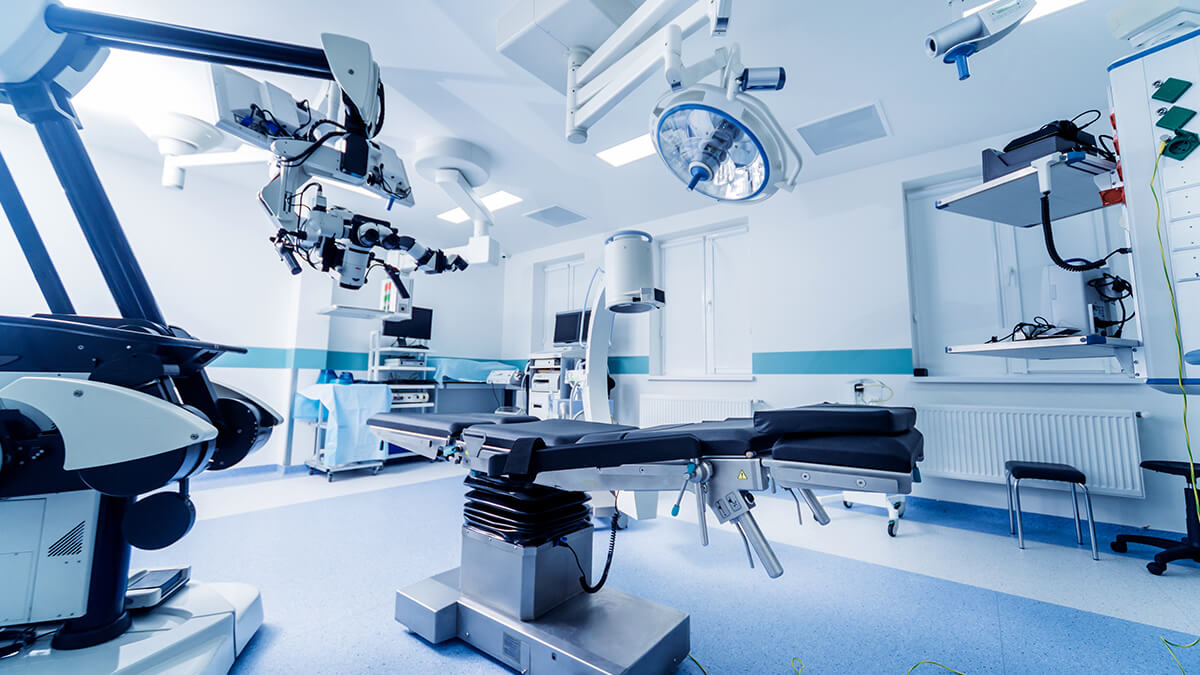
Photo by Niklas9416 on Pixabay
Medical instruments are very sensitive instruments used for medical purposes. They are used for diagnosis and treatment of diseases or injury. The manufacturing and export of medical instruments is restricted to registered manufacturers and exporters who meet specific standards. Due to the stringent requirements, exporting medical instruments from Kenya can be challenging. However, if you’re willing to invest in the necessary resources and take the appropriate measures, you can successfully export medical instruments from Kenya — while staying in compliance with all regulations concerning these products. Keep reading to learn more about how you can safely buy and export medical instruments from Kenya with confidence.
Know the Requirements
To export medical instruments, you must be registered with the Kenya Medical Supplies Authority (KMS Authority). It’s important to determine whether the medical instruments you’re planning to export are classified as Class I, II, or III. You’ll also need to determine if you’re authorized to export surgical or dental instruments. Medical instruments are classified as Class I, II, or III. Class I medical instruments are the least regulated and include items like bandages and gauze. Class II medical instruments are more regulated, and their requirements are similar to those of Class I instruments. However, Class II instruments have the potential to cause more serious injury if misused. Examples of Class II medical instruments include thermometers and syringes. Class III medical instruments are the most regulated. Because of the risk of serious injury or death, they require special handling and operating procedures. Examples of Class III medical instruments include lasers, x-ray machines, and MRI machines.
Find a Reputable Export Partner
When you’re ready to export medical instruments from Kenya, you’ll want to find a reputable export partner. Finding the right export partner can ensure your products are handled and shipped correctly — while keeping you in compliance with all applicable regulations. When selecting an export partner, you’ll want to consider factors such as: – – The export partner’s experience in the industry – The export partner’s knowledge of the products and regulations – The export partner’s ability to meet your shipping schedule – The export partner’s customer service record
Create an Exporting Plan
To increase the likelihood of exporting successfully, it’s a good idea to create a plan. This will help you stay organized and manage your time — so you can meet all of your obligations. – Identify your customer – Plan your product selection – Create a production schedule – Complete the documentation
Understand the Customs Process
The import/export process can be confusing, which is why it’s important to understand the customs process. A customs agent will review your product documentation and customer declaration. The customer declaration includes information such as the buyer, the intended use of the products, and the value of the products. – If your documents are in order, you’ll likely receive a standard inspection. If your documents are not in order, you’ll likely receive a detailed inspection. Be sure to review the customs process with your export partner. This can help you avoid costly mistakes.
Export with Confidence
As you prepare to export medical instruments from Kenya, you must remain confident. It’s important to remember that you have a lot of options to help you successfully export products. If you’re having trouble finding a customer or meeting your schedule, consider using a logistics company that specializes in the healthcare industry. This can simplify the process and help you export with confidence. – If you’re encountering challenges along the way, don’t be afraid to seek assistance. It’s OK to seek help from the experts — especially if you’re new to exporting.
Conclusion
Exporting medical instruments from Kenya is a complex process that requires you to be organized and prepared. It’s important to understand the requirements and regulations concerning these products. It’s also important to create a plan, understand the customs process, and remain confident as you prepare to export products — while staying in compliance with all regulations concerning these products.

LEAVE A COMMENT
You must be logged in to post a comment.