
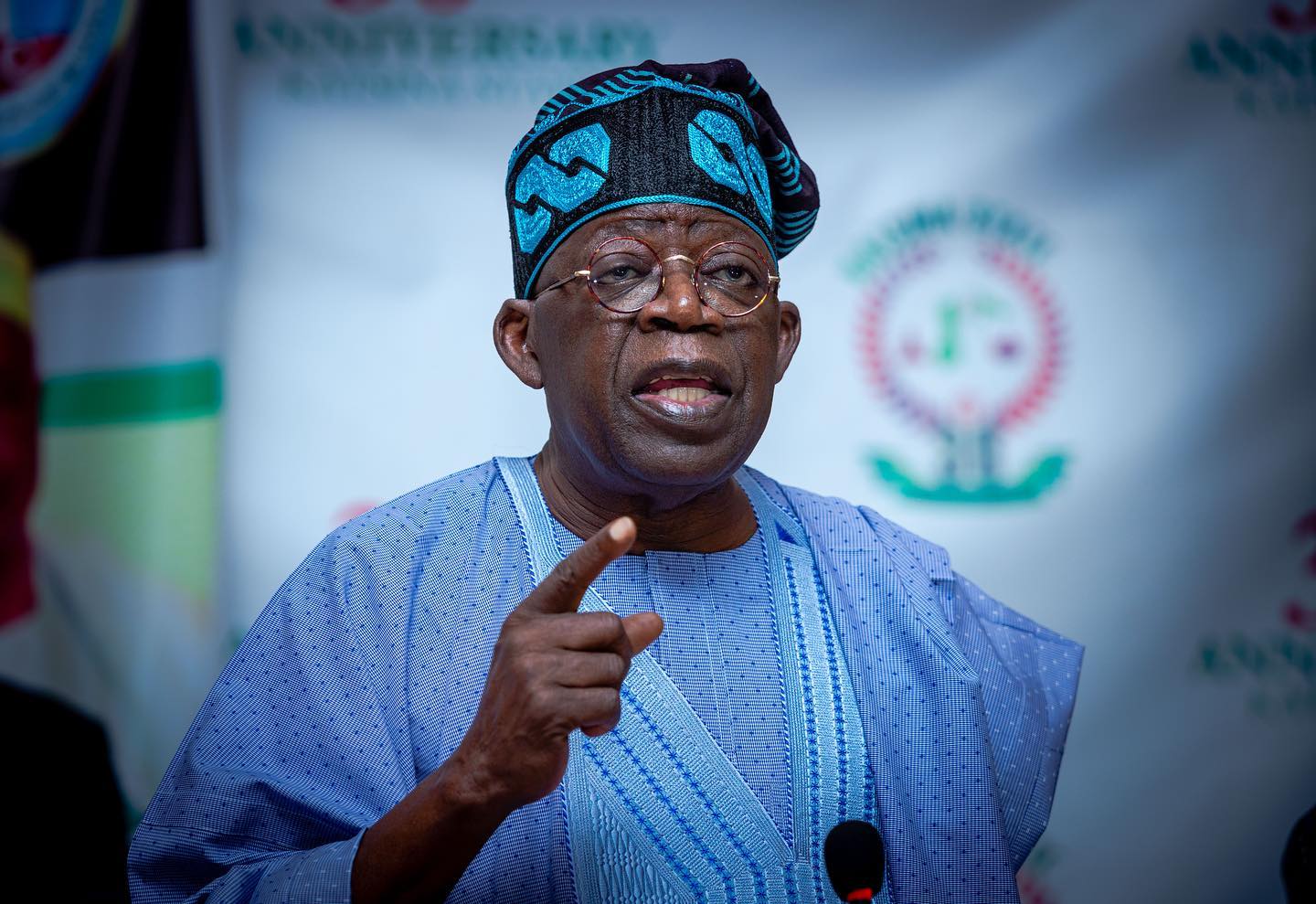
President Tinubu Paves the Way for a Brighter Future with New Electricity Act
Talk to us about this service
Trade, import, logistics, sourcing — whatever you're planning, the fastest way to a quote is a WhatsApp message. Our team replies during Lagos business hours.
WhatsApp usYour message tells us which page you came from
President Tinubu Paves the Way for a Brighter Future with New Electricity Act
Are you tired of frequent power outages and exorbitant electricity bills? Well, there’s good news! President Tinubu has passed a new Electricity Act that promises to revolutionize the Nigerian power sector. This groundbreaking legislation is set to pave the way for a brighter future, with improved access to electricity and more affordable rates for consumers. In this blog post, we’ll dive deeper into what this new act entails and how it will benefit both businesses and individuals alike. So sit tight and get ready to be enlightened on the latest development in Nigeria’s power sector!
Introduction to the Electricity Act 2023
In 2003, the Electricity Act was passed in order to help the national electric grid become more efficient and reliable. The act was created to deregulate the electricity industry, which would lead to more competition and better prices for consumers. However, the act did not go into effect until 2006, due to various delays.
Now, in 2023, President Tinubu has signed a new Electricity Act into law. This updated act includes several changes that will help improve the electricity sector in Nigeria. For example, the new act creates an Electricity Regulatory Commission, which will be responsible for regulating the industry and setting tariffs. It also establishes a new body called the Nigerian Electricity Management Services Agency, which will manage the electric grid and oversee power generation.
The new Electricity Act is a positive step forward for Nigeria’s electric sector. With these changes, the country can expect improved reliability and efficiency from its power companies.
How the Act Works to Empower States and Private Companies
The Electricity Act was created to empower states and private companies to create a brighter future for Nigerians. The act does this by giving states and private companies the ability to generate, transmit, and distribute electricity. This will allow for a more efficient distribution of electricity, which will lead to a decrease in blackouts and an overall increase in the quality of life for Nigerians. In addition, the act will help to create jobs and spur economic growth.
Benefits of the Electricity Act 2023
The new Electricity Act 2023 will bring about many benefits to Nigeria and its people. For one, it will help to end the power struggles between the different states in the country. It will also give more power to the Nigerian Electricity Regulatory Commission (NERC) to oversee and regulate the electricity sector. In addition, the new law will help to improve access to electricity in rural areas and increase investment in the sector. It will create more jobs and provide training opportunities for Nigerians.
Potential Challenges Faced in Implementing the Act
Most countries have some form of a goal to increase the production of renewable energy and to use less fossil fuels in order to improve air quality and fight climate change. One way countries are trying to achieve these goals is by implementing an electricity act. The Electricity Act is designed to provide a legal framework for the generation, transmission, distribution, sale, and supply of electricity. The act also establishes regulations that promote competition and protect consumers.
However, there can be potential challenges when implementing the Electricity Act. One challenge is that the act can be difficult to enforce. This is because the electricity sector is complex, with many different players involved in different parts of the process. Additionally, the act requires cooperation from a variety of stakeholders, including utilities, generators, retailers, and government agencies. Another challenge is that the cost of complying with the act can be high. This is especially true for small businesses and households who may not have the resources to make the necessary changes. There can be political resistance to implementing the Electricity Act. This is because some interests may see the act as a threat to their business model or profits.
Despite these potential challenges, implementing the Electricity Act can help countries move towards their renewable energy goals. By creating a legal framework for renewable energy development, the act can provide clarity and certainty for investors and developers. Additionally, by promoting competition and protecting consumers, the act can help create a level playing field for new entrants into the market. Ultimately, though there may be challenges
What This Means for Nigerians
The Electricity Act is a very important step forward for Nigeria. It paves the way for a brighter future by setting out clear regulations and standards for the electricity sector. This will help to attract investment, improve efficiency and create jobs.
It is also good news for consumers as it will help to reduce costs and improve the quality of service. The Act provides for clearer billing, improved customer service and better complaint handling procedures.
This is just the first step on the road to reform and there is still much work to be done. However, it is a very positive step in the right direction and one that will benefit all Nigerians.
Conclusion
President Tinubu’s new Electricity Act is a step in the right direction for Nigeria and its people. By improving the access to electricity, this act will help power homes, businesses, schools and hospitals across the country. This will not only improve quality of life but also create jobs and stimulate economic growth. With its implementation, it is clear that President Tinubu has Nigeria’s best interests at heart and we are confident that his efforts will lead to brighter days ahead for all Nigerians.

Comments are closed.