
Telecom Billing for Operators in Nigeria: Challenges and Solutions

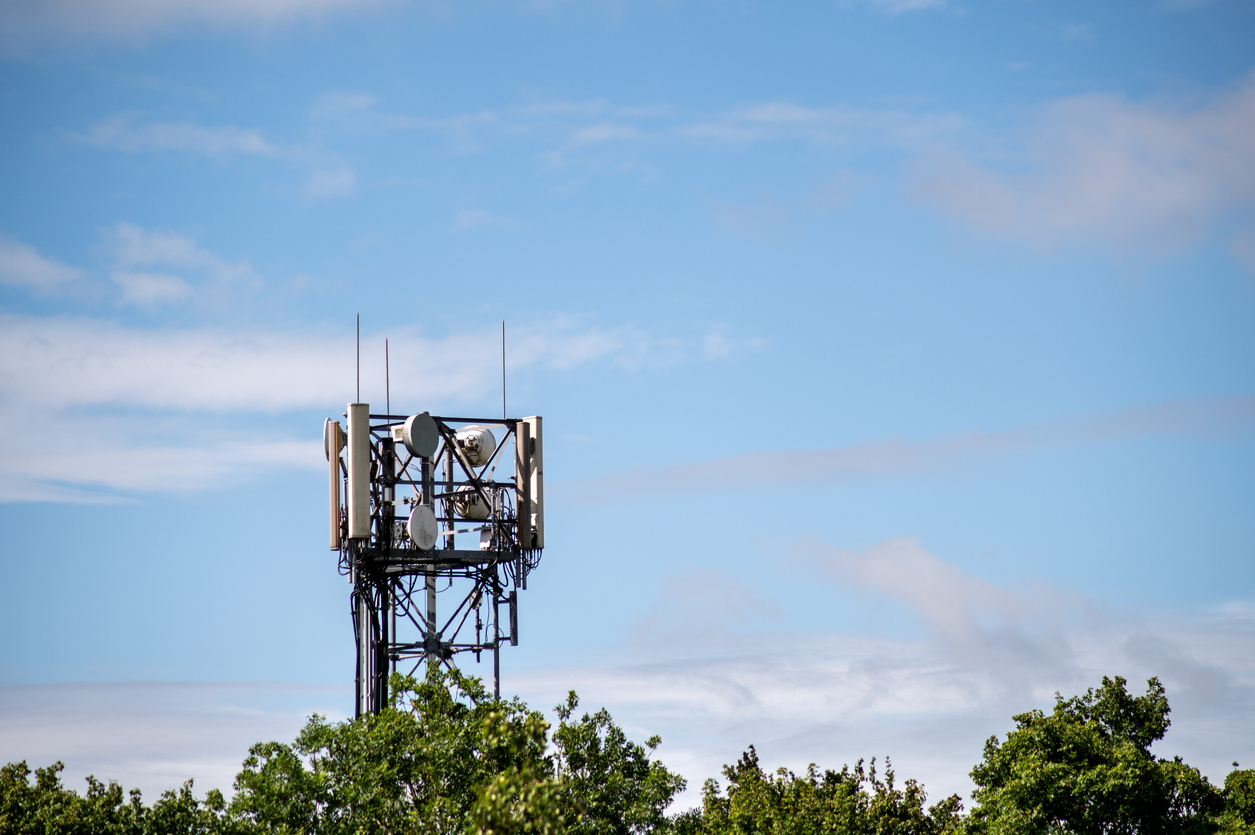
Nigeria’s telecommunications industry is one of the most dynamic in Africa, serving millions of subscribers across voice, data, mobile banking, and digital services. As competition intensifies and customer expectations rise, telecom operators must maintain accurate, scalable, and compliant billing systems.
Effective telecom billing for operators in Nigeria is essential for revenue assurance, customer satisfaction, and regulatory compliance. This article explores how telecom billing works, the common challenges operators face, and practical strategies for improving billing efficiency in Nigeria’s telecom sector.
Understanding Telecom Billing Systems
Telecom billing systems are platforms that calculate, process, and manage charges for telecom services used by subscribers. These systems handle both prepaid and postpaid billing models.
Core Functions of Telecom Billing Systems
A telecom billing platform typically manages:
- Call and SMS charging
- Data usage billing
- Subscription management
- Roaming charges
- Invoice generation
- Payment processing
- Customer account management
For telecom operators in Nigeria, billing systems must process extremely high transaction volumes while maintaining accuracy and uptime.
Why Telecom Billing for Operators in Nigeria Is Critical
Accurate billing directly affects operator profitability and customer trust. Even small billing errors can result in:
- Revenue leakage
- Customer complaints
- Regulatory penalties
- Increased churn rates
- Interconnect settlement disputes
As telecom services expand into fintech, streaming, and enterprise connectivity, billing complexity continues to increase.
Key Challenges Facing Telecom Operators in Nigeria
High Subscriber Volumes
Nigeria’s large mobile subscriber base generates enormous amounts of billing data daily. Operators require scalable systems capable of real-time processing.
Complex Pricing Structures
Promotional bundles, loyalty offers, and segmented pricing models create additional billing complexity.
Revenue Leakage and Fraud
Fraudulent traffic routing, bypass fraud, and inaccurate call data records can reduce operator revenue significantly.
Infrastructure Constraints
Power instability and network interruptions can affect billing operations and data integrity.
Regulatory Compliance
Telecom operators must comply with regulations from the Nigerian Communications Commission (NCC), including tariff transparency and customer data protection requirements.
Components of an Effective Telecom Billing System
Real-Time Charging Capability
Real-time charging is especially important for prepaid subscribers, allowing operators to deduct balances instantly after usage.
Flexible Rating Engine
Modern telecom billing systems should support dynamic pricing and multiple service categories.
Revenue Assurance Tools
Automated auditing and reconciliation tools help identify discrepancies before they affect revenue.
Scalability
Billing systems should support future growth, especially with increasing 4G and 5G adoption in Nigeria.
Secure Data Management
Strong cybersecurity and encryption are essential for protecting customer and transaction data.
The Role of Automation in Telecom Billing
Automation is becoming increasingly important for telecom billing for operators in Nigeria.
Benefits of Automated Billing Systems
- Faster invoice generation
- Reduced manual errors
- Improved customer experience
- Better financial reporting
- Enhanced fraud detection
Operators that automate billing and settlement processes can improve operational efficiency while reducing administrative costs.
Telecom Infrastructure and Supply Chain Considerations
Efficient billing systems also depend on reliable telecom infrastructure. Servers, networking equipment, backup power systems, and data centre components must be sourced and maintained consistently.
Supply chain disruptions can affect billing performance and overall network reliability.
Wigmore Trading supports telecom operators through:
- International sourcing of telecom equipment
- Import and export logistics management
- Warehousing and nationwide distribution
- Supply chain coordination for infrastructure projects
- Procurement support for technology components
Reliable sourcing and logistics help telecom businesses maintain operational continuity and system uptime.
Future Trends in Telecom Billing in Nigeria
The telecom sector is evolving rapidly, creating new billing requirements for operators.
5G and Data Expansion
Higher data consumption increases billing complexity and transaction volumes.
Digital Financial Services
Telecom operators are integrating fintech services, requiring more advanced billing and transaction management systems.
Cloud-Based Billing Platforms
Cloud billing systems offer scalability, flexibility, and lower infrastructure costs.
AI-Driven Revenue Assurance
Artificial intelligence can help detect billing anomalies and fraud patterns more efficiently.
Conclusion
Efficient telecom billing for operators in Nigeria is critical for maintaining profitability, regulatory compliance, and customer trust. As telecom services continue to evolve, operators must invest in scalable billing systems, automation, and strong infrastructure support.
Reliable sourcing, logistics, and supply chain management also play an important role in maintaining telecom operations and supporting long-term growth.
Wigmore Trading can help. Contact Wigmore Trading today to streamline your sourcing.



Comments are closed.