
Fixed Line Carrier Billing in Nigeria: How It Works and Why It Matters
Talk to us about this service
Trade, import, logistics, sourcing — whatever you're planning, the fastest way to a quote is a WhatsApp message. Our team replies during Lagos business hours.
WhatsApp usYour message tells us which page you came from
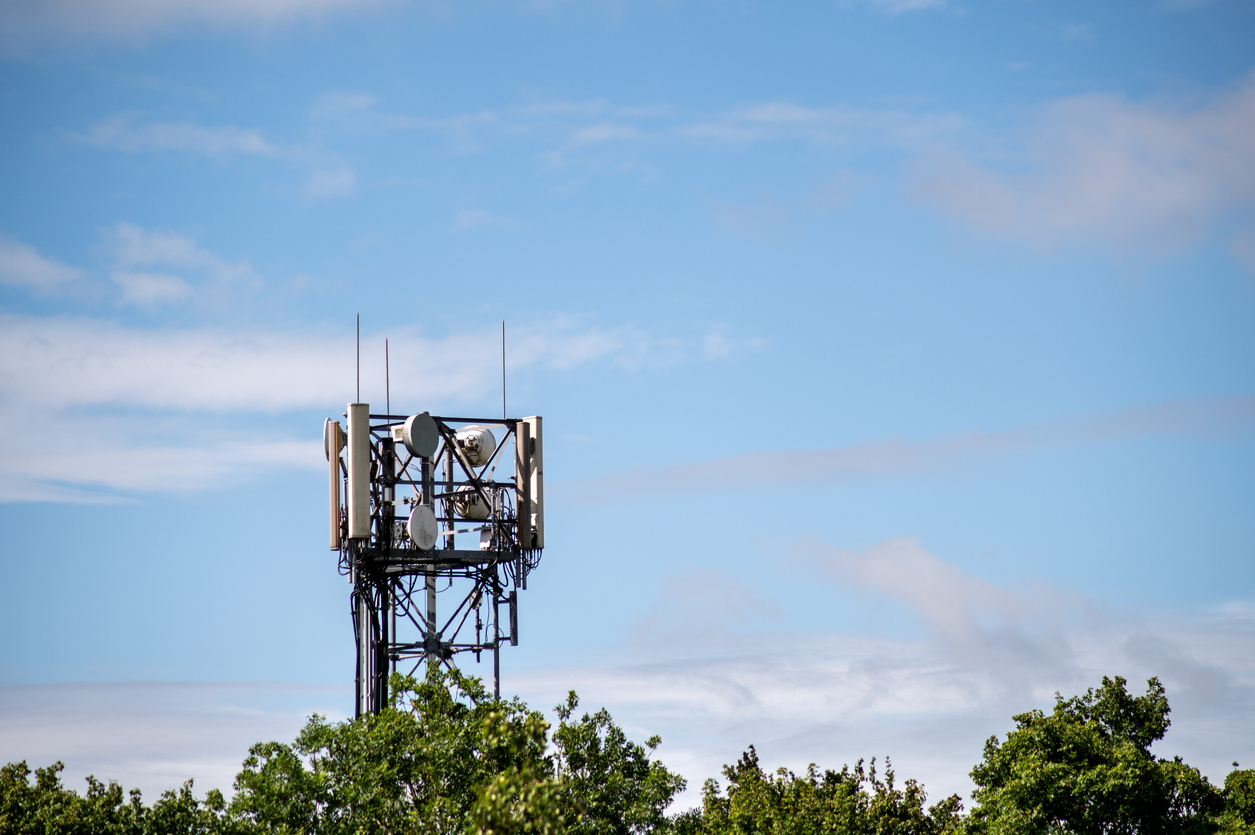
Nigeria’s telecommunications industry has evolved significantly over the past two decades, with mobile services dominating subscriber growth. However, fixed line infrastructure still plays an important role in enterprise communications, broadband connectivity, government networks, and wholesale telecom operations. At the centre of these services is the process of fixed line carrier billing in Nigeria.
Carrier billing systems are essential for managing usage records, charging customers accurately, and ensuring proper settlement between telecom providers. As businesses and institutions continue to rely on stable voice and data connectivity, efficient fixed line billing systems remain critical to operational reliability and revenue management.
What Is Fixed Line Carrier Billing?
Fixed line carrier billing refers to the process telecom operators use to charge customers for services delivered through fixed telecommunications networks. These services may include:
- Landline voice calls
- Dedicated internet connections
- Enterprise telecom services
- Broadband subscriptions
- Interconnect and wholesale telecom traffic
Billing systems collect network usage data, apply pricing structures, generate invoices, and support payment reconciliation.
In Nigeria, fixed line carrier billing is particularly important for businesses, financial institutions, internet service providers, and government agencies that require stable and high-capacity communications infrastructure.
How Fixed Line Carrier Billing Works in Nigeria
The billing process involves several integrated systems working together to ensure accurate charging and reporting.
Usage Data Collection
Telecom switches and network systems generate records of customer activity, including:
- Call duration
- Data usage
- Service type
- Destination routing
These records are commonly known as Call Detail Records (CDRs).
Rating and Tariff Application
Once usage data is collected, billing systems apply predefined tariffs based on:
- Service plans
- Contract terms
- Usage volumes
- Peak or off-peak pricing
This stage ensures that customers are billed according to agreed pricing models.
Invoice Generation
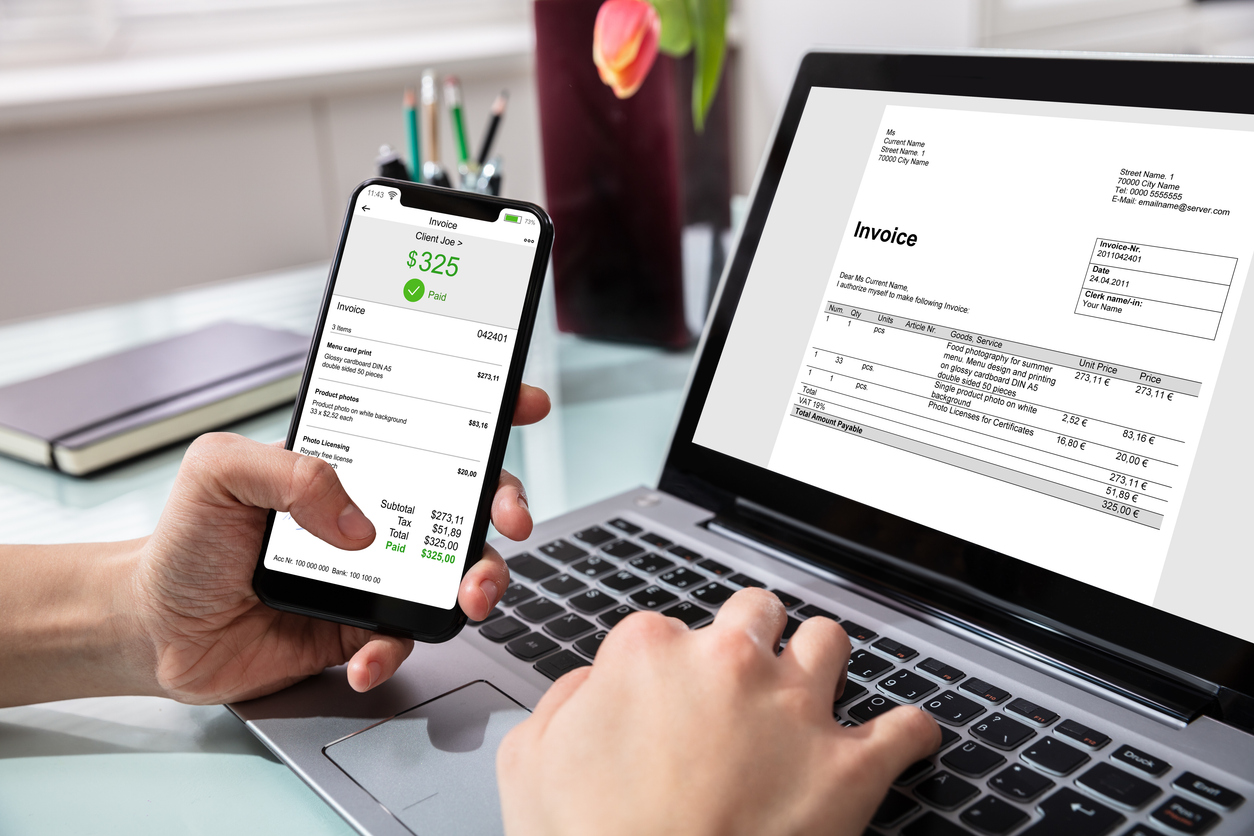
After processing and rating, invoices are generated for customers or partner carriers. Businesses often require detailed billing statements for auditing and compliance purposes.
Payment and Reconciliation
Operators reconcile payments against invoices while monitoring disputes, adjustments, and unpaid balances.
Why Fixed Line Carrier Billing Is Important
Revenue Assurance
Accurate billing prevents revenue leakage and reduces disputes between operators and customers.
Regulatory Compliance
Telecom operators in Nigeria must comply with NCC regulations relating to tariffs, reporting, and interconnect services.
Customer Trust
Reliable billing improves transparency and strengthens customer relationships, especially for enterprise clients.
Operational Efficiency
Automated billing systems reduce manual processing and improve scalability as traffic volumes grow.
Challenges Facing Fixed Line Carrier Billing in Nigeria
Although technology has improved, telecom operators still face operational and financial challenges.
Legacy Infrastructure
Some operators continue to rely on older network systems that may not integrate efficiently with modern billing platforms.
Data Accuracy Issues
Incomplete or inconsistent usage records can lead to incorrect billing and disputes.
Interconnect Settlement Complexity
Fixed line carriers often exchange traffic with multiple operators, increasing reconciliation complexity.
Infrastructure and Power Constraints
Network interruptions and power instability can affect billing data collection and processing.
Fraud and Revenue Leakage
Unauthorised routing and traffic manipulation can distort billing accuracy and reduce operator revenue.
Improving Billing Efficiency in Nigeria’s Telecom Sector
Operators can strengthen fixed line billing performance by adopting practical operational strategies.
Modernise Billing Platforms
Cloud-based and real-time billing systems improve scalability and accuracy.
Strengthen Data Validation
Robust mediation systems help identify incomplete or duplicate records before billing.
Automate Settlement Processes
Automation reduces human error and accelerates reconciliation between operators.
Improve Infrastructure Reliability
Reliable hardware sourcing, network equipment maintenance, and stable logistics support are essential for uninterrupted telecom operations.
The Role of Supply Chain and Logistics in Telecom Operations
Telecommunications infrastructure depends heavily on efficient sourcing and logistics management. Billing systems, switching equipment, servers, cables, and networking hardware often require international procurement and specialised transportation.
Wigmore Trading supports telecom operators and infrastructure providers in Nigeria through:
- International sourcing of telecom equipment
- Import and customs clearance support
- Warehousing and inventory management
- Nationwide distribution and logistics coordination
- Supply chain support for network infrastructure projects
Efficient logistics help telecom businesses reduce downtime, improve infrastructure deployment, and maintain billing system reliability.
Future Trends in Fixed Line Billing in Nigeria
The future of fixed line carrier billing in Nigeria is closely linked to digital transformation and enterprise connectivity growth.
Emerging trends include:
- Real-time billing systems
- AI-driven revenue assurance
- Integrated broadband and voice billing
- Cloud-native telecom platforms
- Improved fraud detection tools
As enterprise demand for reliable connectivity grows, telecom operators will continue investing in more advanced billing and settlement infrastructure.
Conclusion
Fixed line carrier billing in Nigeria remains an essential part of telecom operations, particularly for enterprise communications and wholesale connectivity services. Accurate billing systems support revenue assurance, regulatory compliance, and customer trust while enabling operators to manage growing network complexity.
Reliable infrastructure, efficient logistics, and modern billing technology all contribute to stronger telecom operations across Nigeria’s evolving digital economy.
Wigmore Trading can help. Contact Wigmore Trading today to streamline your sourcing.
No Comments Yet.





Comments are closed.