
Telecom Billing for ISP in Nigeria: Key Systems and Challenges

Talk to us about this service
Trade, import, logistics, sourcing — whatever you're planning, the fastest way to a quote is a WhatsApp message. Our team replies during Lagos business hours.
WhatsApp usYour message tells us which page you came from
Nigeria’s internet service provider (ISP) market continues to expand as businesses and consumers demand faster, more reliable connectivity. As competition increases, efficient billing systems have become essential for ISPs seeking to manage subscriptions, monitor usage, reduce revenue leakage, and improve customer experience.
This article explains how telecom billing for ISP in Nigeria works, the common operational challenges providers face, and how reliable supply chain and logistics support can improve service delivery.
What Is Telecom Billing for ISPs?
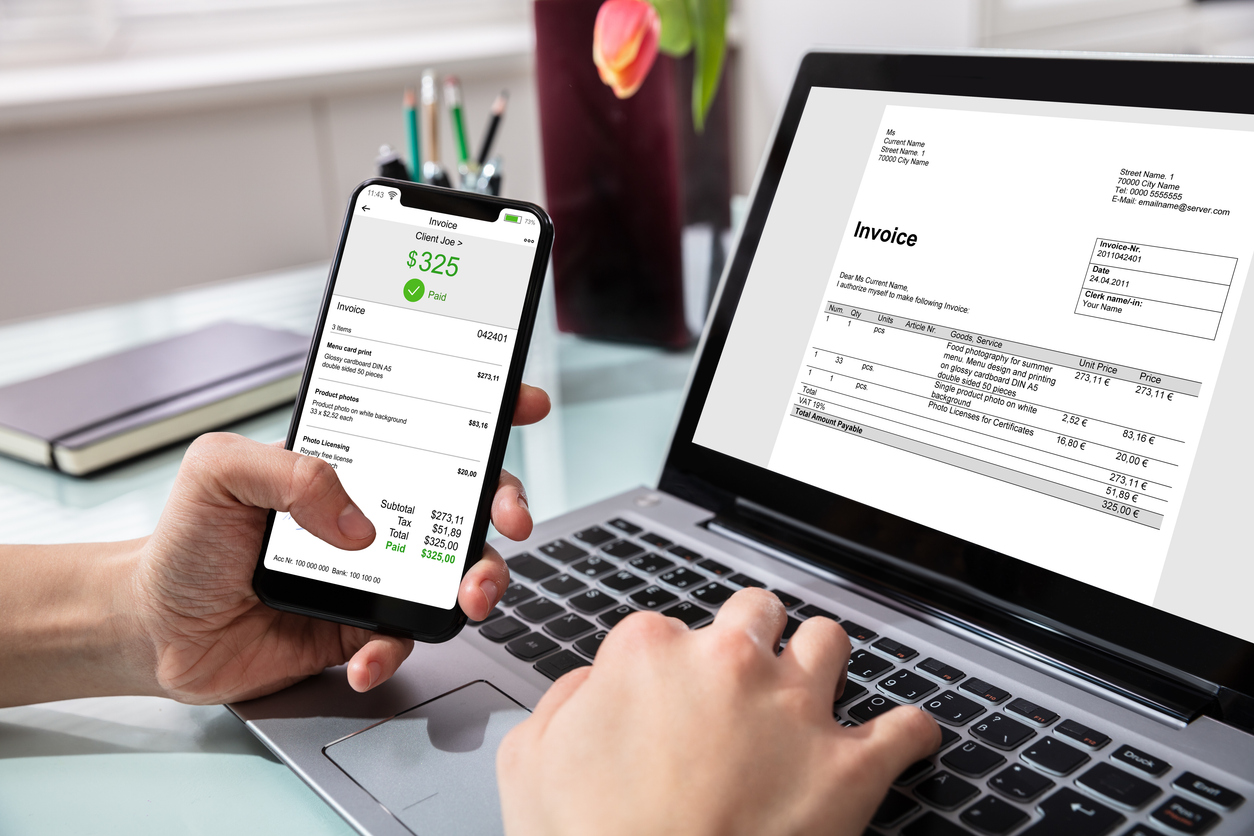
Telecom billing for internet service providers involves the systems and processes used to calculate customer charges for internet access and related services. Billing platforms help ISPs manage:
- Subscription plans
- Data usage tracking
- Invoice generation
- Payment collection
- Customer account management
- Revenue reporting
Billing systems are critical because ISPs often operate with different pricing structures, including prepaid, postpaid, capped, and unlimited data plans.
Why Telecom Billing Is Important for ISPs in Nigeria
The Nigerian telecom and internet market is highly competitive. Accurate billing systems help ISPs maintain profitability while improving customer trust.
Revenue Accuracy
A reliable telecom billing platform ensures customers are charged correctly based on their selected plans and usage patterns.
Customer Retention
Transparent invoices and smooth payment experiences reduce disputes and improve customer satisfaction.
Scalability
As subscriber bases grow, ISPs need billing systems capable of processing large volumes of transactions efficiently.
Regulatory Compliance
ISPs in Nigeria must maintain accurate financial and customer records to meet regulatory and tax obligations.
Core Features of a Telecom Billing System for ISPs
Real-Time Usage Monitoring
Modern systems track internet consumption in real time, allowing customers to monitor their data balances and helping ISPs enforce fair usage policies.
Flexible Pricing Models
A telecom billing platform should support:
- Monthly subscriptions
- Pay-as-you-go billing
- Business packages
- Promotional bundles
- Hybrid pricing models
Automated Invoicing
Automated invoice generation reduces administrative workload and improves billing consistency.
Payment Integration
ISPs increasingly integrate billing systems with:
- Bank transfers
- Mobile money
- Online payment gateways
- USSD payment systems
Customer Self-Service Portals
Subscribers can review usage, pay bills, renew subscriptions, and manage accounts online.
Common Challenges in Telecom Billing for ISP in Nigeria
Network Downtime and Infrastructure Issues
Power instability and connectivity interruptions can affect billing synchronisation and service tracking.
Revenue Leakage
Manual processes and inaccurate usage tracking may result in lost revenue.
Fraud and Unauthorised Access
ISPs must detect unusual usage patterns and prevent network abuse.
Complex Customer Segmentation
Business customers, residential users, and enterprise clients often require different billing structures.
Scaling Operations
As ISPs expand into new regions, billing systems must handle increased traffic and subscriber growth.
Improving ISP Billing Operations in Nigeria
Adopt Automated Billing Platforms
Automation reduces human error and improves operational efficiency.
Integrate Revenue Assurance Tools
Revenue assurance systems help identify discrepancies and reduce financial losses.
Use Cloud-Based Infrastructure
Cloud billing solutions offer scalability and remote accessibility.
Improve Customer Communication
Clear billing policies and proactive notifications help reduce payment disputes.
The Role of Logistics and Supply Chains in ISP Operations
Billing systems are only one part of an ISP’s infrastructure. Reliable hardware sourcing and distribution are equally important for maintaining network performance.
ISPs require consistent access to:
- Routers and switches
- Fibre optic equipment
- Power backup systems
- Network monitoring tools
- Data centre hardware
Delays in sourcing or distributing these components can disrupt operations and customer service.
How Wigmore Trading Supports Telecom and ISP Businesses
Wigmore Trading supports telecom and internet service providers in Nigeria through sourcing, logistics, and supply chain services.
This includes:
- Importing telecom infrastructure equipment
- Managing customs clearance and compliance
- Warehousing and nationwide distribution
- Supporting supply chain continuity for network expansion projects
Efficient logistics support helps ISPs maintain infrastructure uptime and scale operations more effectively.
Future Trends in ISP Billing Systems
AI-Driven Billing Analytics
Artificial intelligence is improving fraud detection and customer usage forecasting.
Converged Billing Systems
Many providers are combining internet, voice, and digital services into single billing platforms.
Real-Time Customer Notifications
Subscribers increasingly expect instant alerts for usage thresholds and renewals.
Subscription-Based Digital Services
ISPs are expanding into streaming, cloud storage, and enterprise connectivity services, increasing billing complexity.
Conclusion
Efficient telecom billing for ISP in Nigeria is essential for accurate revenue management, customer satisfaction, and long-term operational growth. As internet demand rises, ISPs need scalable billing systems that support automation, flexible pricing, and real-time usage tracking.
At the same time, reliable sourcing and logistics remain critical to maintaining telecom infrastructure and service quality.
Wigmore Trading can help. Contact Wigmore Trading today to streamline your sourcing.
No Comments Yet.




Comments are closed.