
Chromium Ore and Ferroalloys from Albania: A Buyer’s Guide
Talk to us about this service
Trade, import, logistics, sourcing — whatever you're planning, the fastest way to a quote is a WhatsApp message. Our team replies during Lagos business hours.
WhatsApp usYour message tells us which page you came from
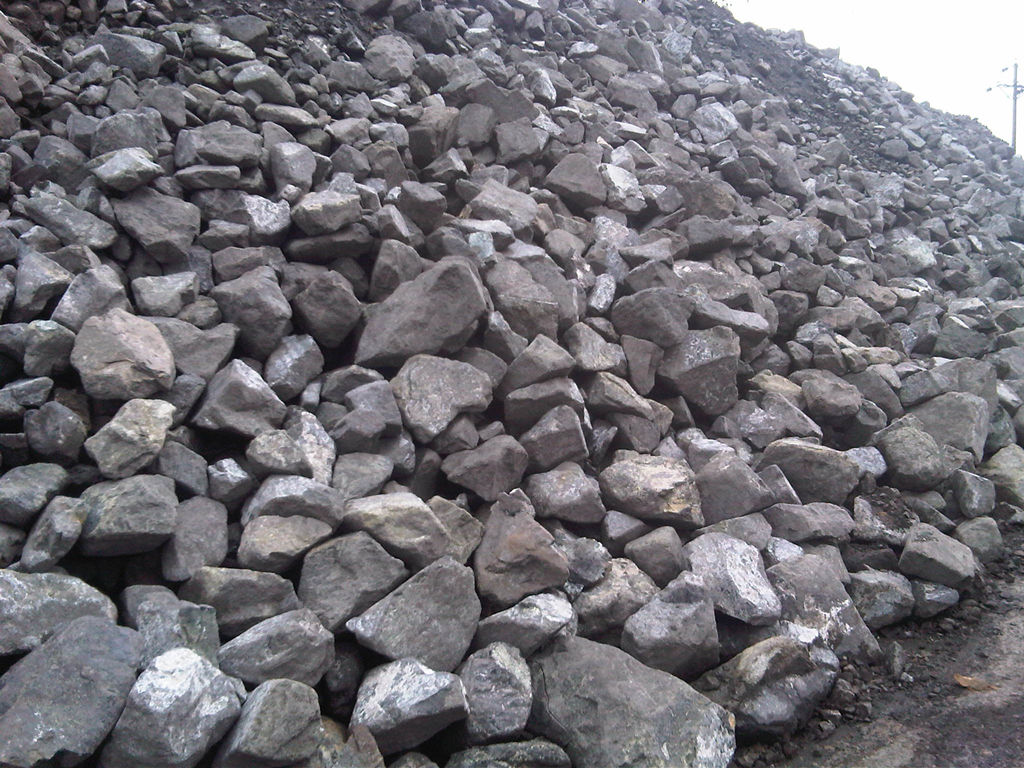
Purchasing chromium ore from Albania requires a different specification from buying ferroalloys for an industrial plant. Ore, concentrate and a finished alloy are different materials with different acceptance criteria. Before discussing a price, identify the exact feedstock your operation can use and the evidence required to approve a lot.
Wigmore Trading can review a lawful industrial procurement enquiry and discuss sourcing information, inspection coordination and logistics support. Send your technical specification, required quantity, destination and procurement schedule. An export-data category is not evidence of stock, a mining entitlement or a committed supply allocation.
Chromium ore and ferroalloys are separate buying decisions
The US Geological Survey’s chromium overview distinguishes chromite as a chromium-bearing mineral from processed materials such as ferrochromium. It also identifies stainless-steel production as a major use of ferrochromium. That industrial relationship does not make every ferroalloy a chromium product.
| Requirement | Ore or concentrate | Ferroalloy |
|---|---|---|
| Identity | Exact mineral product and processing state | Named alloy and agreed grade |
| Quality basis | Representative assay, moisture and relevant impurities | Specified elemental composition and relevant impurity limits |
| Physical form | Agreed sizing and lot condition | Agreed lump, granule or other physical form |
| Acceptance | Sampling method, laboratory and lot identification | Batch traceability, test method and contract specification |
Agree the assay and sampling basis
Use your metallurgical or technical team to define the required chemistry and physical properties. Request a certificate tied to the offered lot, with the test method and laboratory identified. Clarify whether reported quantities and prices use dry or wet weight where that distinction is relevant.
Sampling is central to a defensible acceptance process. Agree who samples the lot, where it is sampled and how reference samples are retained. An attractive assay from an unrelated lot does not establish the quality of a new shipment. Decide in advance how conflicting test results will be resolved.
Check origin, supplier rights and traceability
Request evidence identifying the supplier, producer or lawful source and the chain through which the goods are being sold. Verify the counterparty and its authority to sell the proposed lot. Obtain appropriate legal and compliance review for the source, export route and end use.
Keep lot records consistent across commercial documents, inspection reports and transport paperwork. A buyer who cannot reconcile those references may struggle to demonstrate what was purchased or investigate a later quality dispute. Avoid treating a country-of-origin statement as a complete due-diligence file.
Match packing and transport to the actual material
Provide the carrier with an accurate material description, physical form, quantity and relevant safety information. Have qualified cargo specialists confirm any handling and carriage requirements for the specific goods and shipping method. Bulk cargo and packaged cargo need their own assessments.
Confirm weighing responsibilities, loading inspection, packaging where used and destination unloading capability. An industrial receiving site may need a booking slot or specialised handling equipment. Set these arrangements before collection rather than assuming that a port arrival means the material can immediately enter production.
Compare the complete delivered cost
Request a dated quotation stating the specification, quantity, packing, named delivery point, Incoterms rule and version, and price validity. Compare origin charges, inspection, freight, insurance where agreed, destination clearance and final delivery on the same basis. Have the destination broker verify classification and applicable charges for the actual goods. Our freight quotation guide explains what to include in the logistics brief.
What should be in the supply contract?
Identify the product and specification, lot quantity, inspection and assay procedure, price basis, payment milestones, document requirements and remedies for non-conformity. Have your advisers review terms appropriate to the size and complexity of the purchase. Do not rely on informal assurances of future quality or a guaranteed resale margin.
Our cargo tracking guide helps organise transport references. For a different industrial procurement category, see the Albanian insulated-wire sourcing guide, where manufacturer and specification verification are equally important.
Can Wigmore quote a particular grade?
Send the technical specification and delivery requirement for review. Supply availability, minimum quantity, inspection options and quotation validity must be confirmed for the proposed transaction. This guide is not a live mineral price or inventory feed.
Request a sourcing review from Wigmore Trading
Send the product specification, quantity, delivery location, required date and your company details to sales@wigmoretrading.com. Wigmore Trading can review the brief and discuss sourcing, supplier information, inspection coordination and logistics support for the proposed order. The available scope, supplier acceptance and commercial terms will be confirmed in a written proposal.
Discuss chromium ore or ferroalloys from Albania on WhatsApp or book an initial consultation. Include an existing supplier offer if you would like help identifying missing specifications or shipping responsibilities.

Comments are closed.