
Buy Corn from Argentina: Bulk Maize Quality and Export Planning
Talk to us about this service
Trade, import, logistics, sourcing — whatever you're planning, the fastest way to a quote is a WhatsApp message. Our team replies during Lagos business hours.
WhatsApp usYour message tells us which page you came from
Buying corn from Argentina requires a specification matched to the end use. A food processor, feed mill and industrial buyer may all search for bulk maize but need different grades, tests and documentation. The first question is what the receiving operation is prepared and permitted to accept.
Wigmore Trading can review your maize procurement enquiry and discuss supplier information, inspection and export logistics coordination. Provide the intended use, approved specification, quantity, delivery location and requested period. Specific grades, supply availability and commercial terms remain subject to confirmation.
Specify maize before comparing a price
| Requirement | Information to provide |
|---|---|
| Product | Agreed maize type, colour and commercial grade where relevant |
| End use | Food manufacture, animal feed or another specified lawful process |
| Quality | Moisture, defects, foreign material and other buyer-approved criteria |
| Safety testing | Relevant contaminants and destination-specific acceptance requirements |
| Claims | Evidence for any certification or GMO-status requirement |
| Packing and delivery | Bulk or bagged format, quantities and receiving arrangements |
Use measurable tolerances and agreed test methods. A supplier’s local grade description may not contain every parameter your customer requires. Ask your technical or food/feed-safety team to identify the acceptance criteria before the purchase order is finalised.
Use lot-specific inspection evidence
Request a specification and appropriate quality records linked to the offered shipment. Agree representative sampling, inspection stage and laboratory responsibility. Define how rejected results or disagreements are resolved, including which evidence is required for a claim.
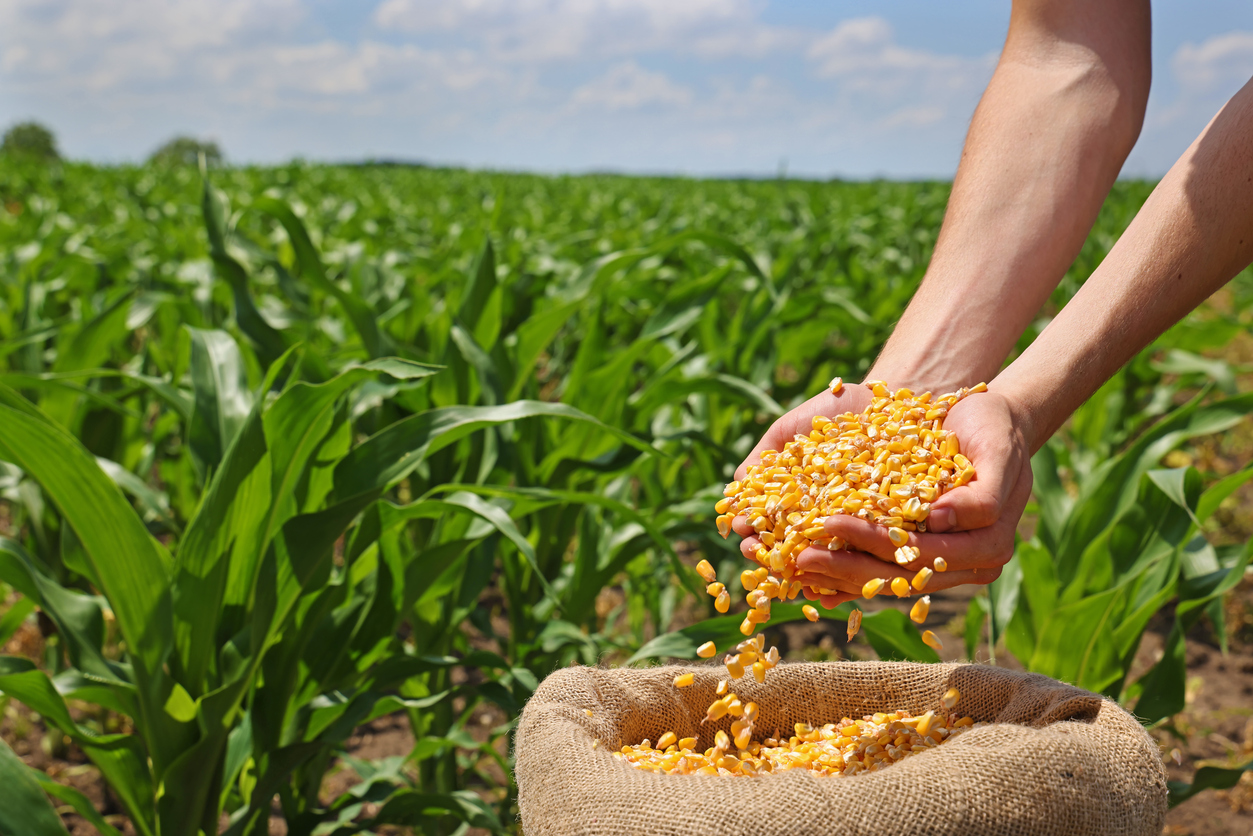
Photographs can support identification and visible-condition checks, but they cannot establish moisture, contaminants or a specific certification claim. If a sample is approved, record whether it represents the bulk lot and attach the agreed specification to the contract.
Verify origin, traceability and phytosanitary documentation
Ask the exporter to identify the product source and keep lot references consistent across commercial and inspection documents. Argentina’s plant-product export certification information describes SENASA’s process. The exporter and destination advisers should establish the requirements for the actual product and route before dispatch.
Have the receiving importer confirm applicable permits, food or feed requirements and any GMO-related conditions. Do not assume that one certificate or a country-of-origin statement meets every market’s requirements. Planting seed needs its own separate regulatory and technical review.
Match cargo handling to the product and destination
Provide accurate cargo details and ask qualified logistics personnel to assess packing or bulk carriage, loading and receiving conditions. Follow current supplier guidance and applicable professional requirements. The receiving warehouse should be ready for the ordered format and quantity.
Confirm weighing responsibilities, lot identification and the procedure for checking the cargo at receipt. A clear delivery plan also identifies when the receiving site can unload, where the grain will be stored and who coordinates any onward transport.
Compare the landed cost on a common basis
Request a dated offer with the product specification, net quantity, packaging, named delivery point, Incoterms rule and version, and quotation validity. Separate the goods price from inspection, origin handling, freight, insurance where agreed, clearance and final delivery. Have the destination broker confirm the applicable classification and charges. Our freight quotation and shipping-units guide explains the information needed for a usable logistics estimate.
Agree documentation before dispatch
Confirm the commercial invoice, packing or cargo details, transport document, origin evidence and any product-specific approvals with the appointed specialists. Match names, quantities and lot references across the file. Destination requirements depend on the actual goods and route; an exporter’s domestic documents do not automatically satisfy every importing market.
Can a first shipment be smaller than a full supply programme?
Ask for a sample or trial-order proposal against the same specification intended for repeat purchases. Supplier minimums, available packing and transport economics will influence feasibility. A trial should establish quality and process compatibility rather than simply demonstrate that goods can be shipped.
Our Argentine soybean-meal guide covers a related feed ingredient with its own acceptance criteria. For transport visibility after dispatch, read our cargo tracking guide.
What is the current price per tonne?
Request a dated quotation with clear grade, quantity, delivery terms and validity. This guide is not a live commodity-price feed or a guarantee of stock, minimum volume or delivery timing.
Discuss your requirement with Wigmore Trading
Email sales@wigmoretrading.com with your company details, product specification, quantity, destination and required delivery window. Wigmore Trading can review the brief and discuss sourcing information, supplier coordination, inspection and logistics support appropriate to the proposed order. Availability, authorised scope and commercial terms must be confirmed in writing.
Discuss corn or maize from Argentina on WhatsApp or book an initial consultation. If you already have a supplier offer, include its specification and delivery terms so we can identify the outstanding questions.

Comments are closed.