
Biometric Access Control in Nigeria: Enhancing Security and Operational Efficiency
Talk to us about this service
Trade, import, logistics, sourcing — whatever you're planning, the fastest way to a quote is a WhatsApp message. Our team replies during Lagos business hours.
WhatsApp usYour message tells us which page you came from
As businesses across Nigeria continue to modernise their operations, security infrastructure has become a critical area of investment. One technology gaining widespread adoption is biometric access control. From corporate offices and warehouses to logistics hubs and manufacturing facilities, biometric systems are transforming how organisations manage access, improve accountability, and reduce risk.
This article explores how biometric access control in Nigeria is evolving, its key benefits, implementation challenges, and how businesses can integrate it effectively into their operations.
Understanding Biometric Access Control Systems
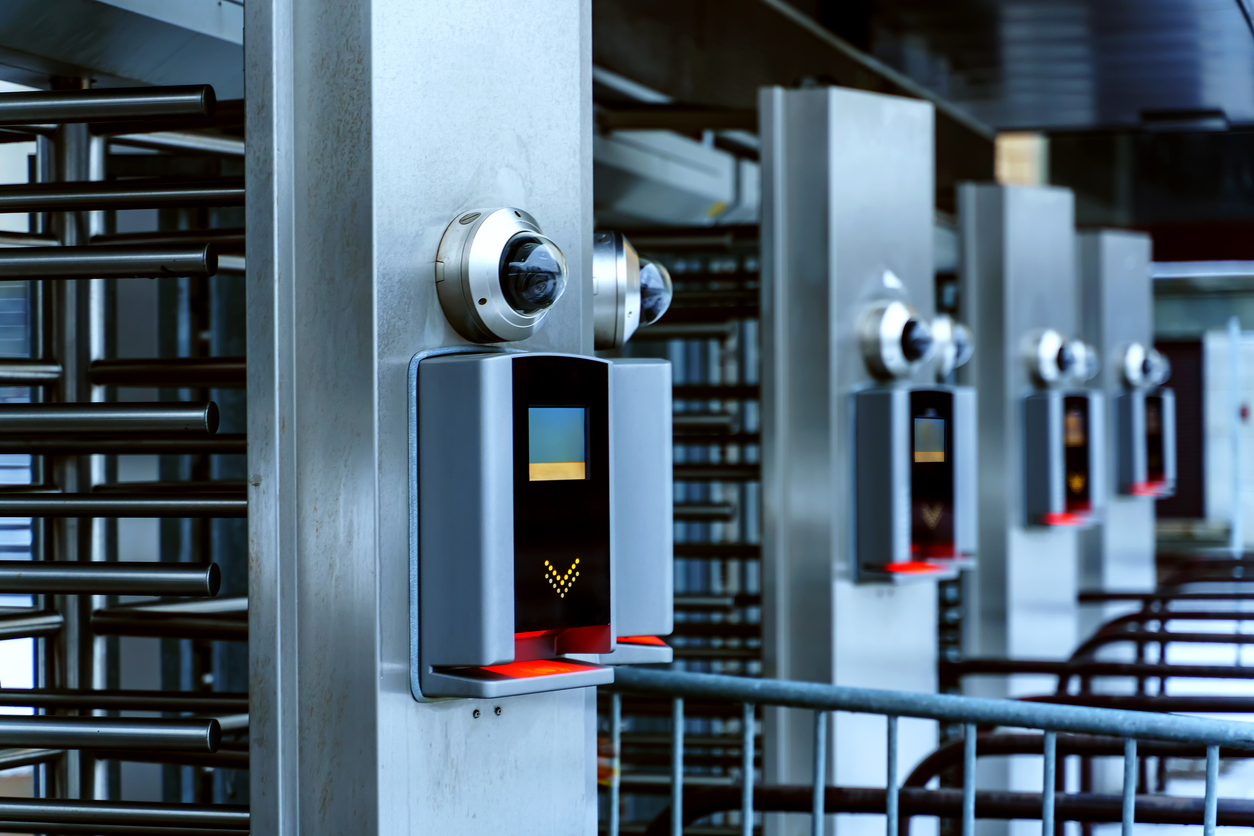
Biometric access control systems use unique physical or behavioural characteristics—such as fingerprints, facial recognition, or iris scans—to verify identity before granting access to a facility or system.
Unlike traditional access methods such as keys, ID cards, or PIN codes, biometric data cannot be easily duplicated or shared. This makes it particularly suitable for environments where security, compliance, and traceability are essential.
In Nigeria, adoption is increasing across sectors including banking, FMCG distribution, logistics, and industrial operations, where safeguarding assets and controlling personnel movement is critical.
Why Businesses Are Adopting Biometric Access Control in Nigeria
Improved Security and Fraud Prevention
One of the primary drivers of biometric adoption is the need to reduce unauthorised access. In warehouses, ports, and distribution centres, traditional access methods can be compromised through theft or misuse. Biometric systems eliminate this risk by linking access directly to an individual’s identity.
This is especially valuable in Nigeria’s import/export sector, where goods in transit require strict monitoring to prevent losses.
Accurate Workforce Management
Biometric systems also support attendance tracking and workforce accountability. For companies managing large teams—such as logistics providers or FMCG distributors—biometric access helps ensure accurate timekeeping and reduces “buddy punching” or time fraud.
This leads to improved operational efficiency and more reliable workforce data.
Compliance and Audit Readiness
Many industries require detailed records of who accessed specific areas and when. Biometric access systems automatically generate audit trails, which can support compliance with internal policies and external regulations.
For companies involved in international trade, maintaining clear access records can also support customs processes and security standards.
Key Applications Across Industries
Logistics and Warehousing
In logistics operations, controlling access to storage areas, loading docks, and inventory zones is critical. Biometric systems help ensure that only authorised personnel can handle goods, reducing the risk of theft or mismanagement.
Manufacturing and Industrial Facilities
Factories and production plants use biometric access to restrict entry to sensitive areas, such as machinery zones or quality control units. This enhances both safety and operational integrity.
Corporate Offices and Commercial Buildings
Businesses are replacing traditional access cards with biometric systems to streamline entry processes and enhance security. Facial recognition systems are particularly popular in high-traffic office environments.
Challenges of Implementing Biometric Access Control in Nigeria
Infrastructure and Power Reliability
Biometric systems depend on stable electricity and network connectivity. In regions where power supply is inconsistent, businesses may need backup systems such as generators or solar solutions to ensure continuous operation.
Data Privacy and Security Concerns
Biometric data is highly sensitive. Organisations must implement secure storage and data protection measures to prevent breaches. Compliance with Nigeria Data Protection regulations is also essential when handling personal data.
Initial Investment Costs
While biometric systems offer long-term benefits, the upfront cost of hardware, software, and integration can be significant. However, these costs are often offset by reduced losses, improved efficiency, and enhanced security over time.
Best Practices for Successful Implementation
Conduct a Security Assessment
Before deploying a biometric system, businesses should assess their security risks and identify critical access points. This ensures the system is designed to address real operational needs.
Choose the Right Technology
Different biometric methods suit different environments. For example, fingerprint scanners may be ideal for controlled environments, while facial recognition systems work better in high-traffic areas.
Integrate with Existing Systems
Biometric access control should be integrated with other security and operational systems, such as CCTV, inventory management, and workforce tracking tools, to maximise effectiveness.
Partner with Reliable Service Providers
Working with experienced partners ensures proper installation, maintenance, and compliance with local regulations. This is particularly important in complex supply chain environments.
The Role of Wigmore Trading in Supporting Secure Operations
For businesses involved in importation, distribution, and logistics, security is closely linked to supply chain performance. Wigmore Trading supports companies by providing reliable sourcing, warehousing, and distribution solutions across Nigeria and beyond.
By integrating secure access systems within broader logistics operations, businesses can reduce risk, improve transparency, and maintain control over their supply chains. Wigmore Trading can also assist with sourcing equipment, managing inventory flows, and ensuring operational efficiency across facilities.
Conclusion
Biometric access control in Nigeria is becoming an essential component of modern business infrastructure. As organisations seek to enhance security, improve workforce management, and meet compliance requirements, biometric systems offer a practical and scalable solution.
While challenges such as infrastructure and data security must be addressed, the long-term benefits make biometric access control a valuable investment for businesses across industries.
Wigmore Trading can help. Contact Wigmore Trading today to streamline your sourcing.
No Comments Yet.





Comments are closed.