
Civilian Self Defence Options in Nigeria: Practical and Legal Approaches
Talk to us about this service
Trade, import, logistics, sourcing — whatever you're planning, the fastest way to a quote is a WhatsApp message. Our team replies during Lagos business hours.
WhatsApp usYour message tells us which page you came from
Personal safety is an increasing concern for individuals and businesses across Nigeria. Whether operating in urban centres like Lagos or in more remote areas, understanding civilian self defence options in Nigeria is essential for risk management, business continuity, and personal security.
This article outlines practical, legal, and accessible self-defence strategies, while highlighting how structured supply chains and professional partnerships can support safer operations.
Understanding Civilian Self Defence Options in Nigeria
Self-defence in Nigeria is governed by law, and individuals are permitted to protect themselves within reasonable limits. However, strict regulations exist around weapons, making it important to focus on legal and non-lethal options.
For businesses involved in logistics, trade, and distribution, self-defence should not only be personal but also operational—covering staff, goods, and transportation networks.
Non-Lethal Self Defence Tools
When considering civilian self defence options in Nigeria, non-lethal tools are the most practical and widely accepted.
1. Personal Safety Devices
Items such as personal alarms and high-decibel whistles can deter attackers and attract attention. These are inexpensive, easy to carry, and require no licensing.
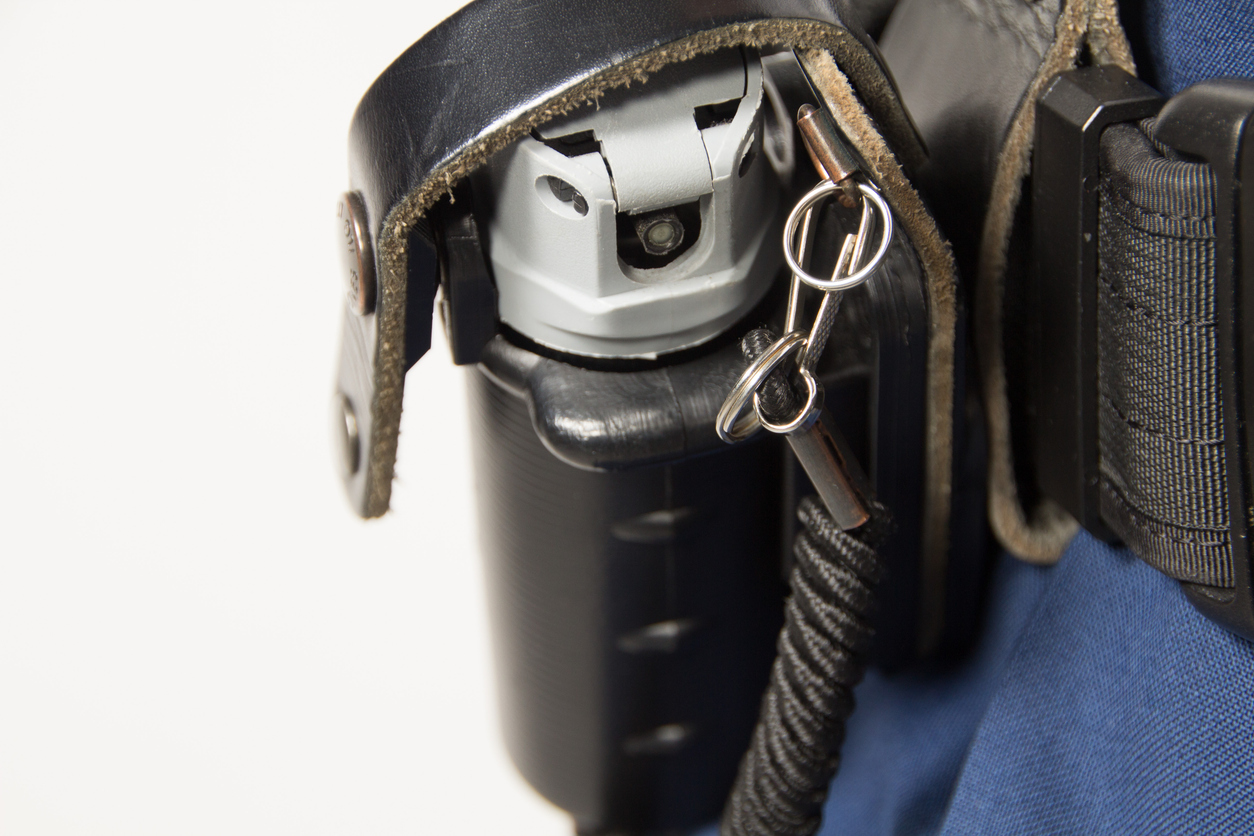
2. Pepper Spray (Where Permitted)
Pepper spray is a commonly used self-defence tool globally. In Nigeria, its legality can vary depending on interpretation and enforcement, so individuals and businesses should verify compliance before procurement or distribution.
3. Flashlights and Tactical Lighting
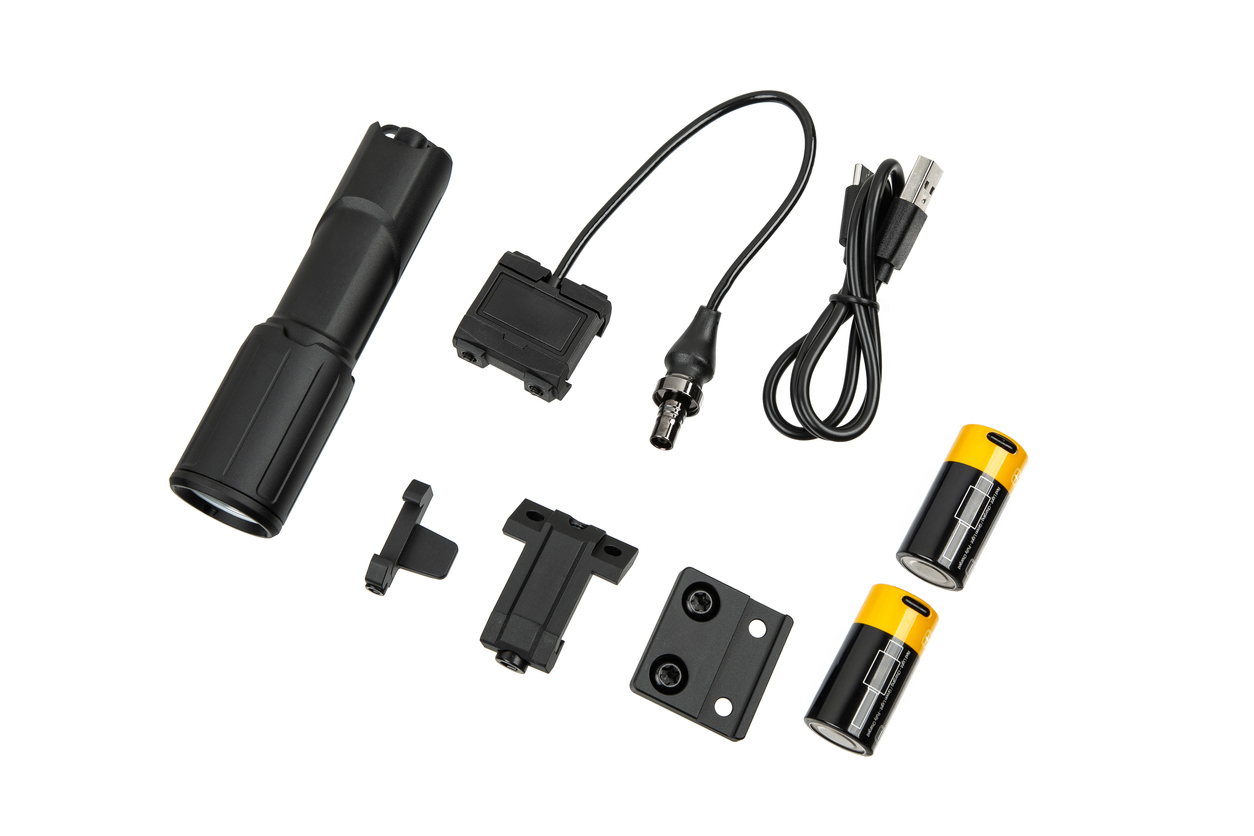
High-intensity flashlights can temporarily disorient potential threats and improve visibility during night operations—particularly useful for logistics personnel and warehouse staff.
Situational Awareness and Training
Tools alone are not sufficient. One of the most effective civilian self defence options in Nigeria is awareness and preparedness.
Recognising Risk Environments
Understanding high-risk zones, travel times, and behavioural patterns can significantly reduce exposure to threats. For example, avoiding poorly lit areas or unpredictable transit routes is a simple but effective measure.
Self-Defence Training
Basic training in de-escalation techniques, escape strategies, and physical defence can improve confidence and response time. Many organisations now incorporate safety training into employee onboarding, especially in logistics and field operations.
Secure Transportation and Logistics
For businesses, self-defence extends beyond individuals to include goods in transit.
Route Planning and Tracking
Using GPS tracking and route optimisation reduces vulnerability to theft or attacks. Real-time monitoring ensures rapid response in case of incidents.
Professional Logistics Support
Working with experienced partners can significantly improve safety standards. Wigmore Trading, for example, supports businesses with structured logistics solutions that prioritise secure handling, efficient routing, and compliance with local regulations.
Community and Private Security Solutions
In many Nigerian cities, community-based and private security arrangements are common.
Residential and Commercial Security
Security personnel, gated access, and surveillance systems are widely used in both residential estates and business facilities. These measures act as strong deterrents.
Collaboration with Security Agencies
Businesses can also coordinate with licensed private security firms for escort services or site protection, particularly when transporting high-value goods.
Compliance and Legal Considerations
A key aspect of civilian self defence options in Nigeria is ensuring compliance with local laws.
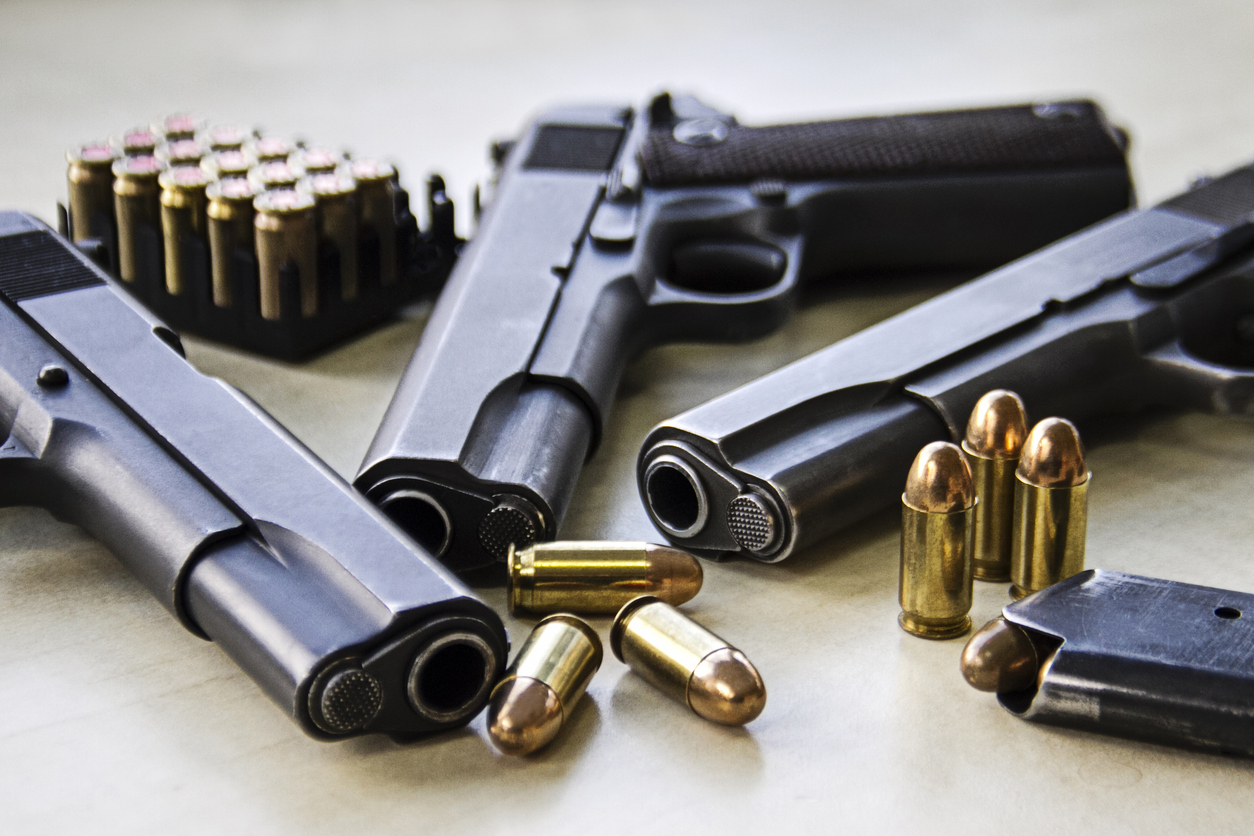
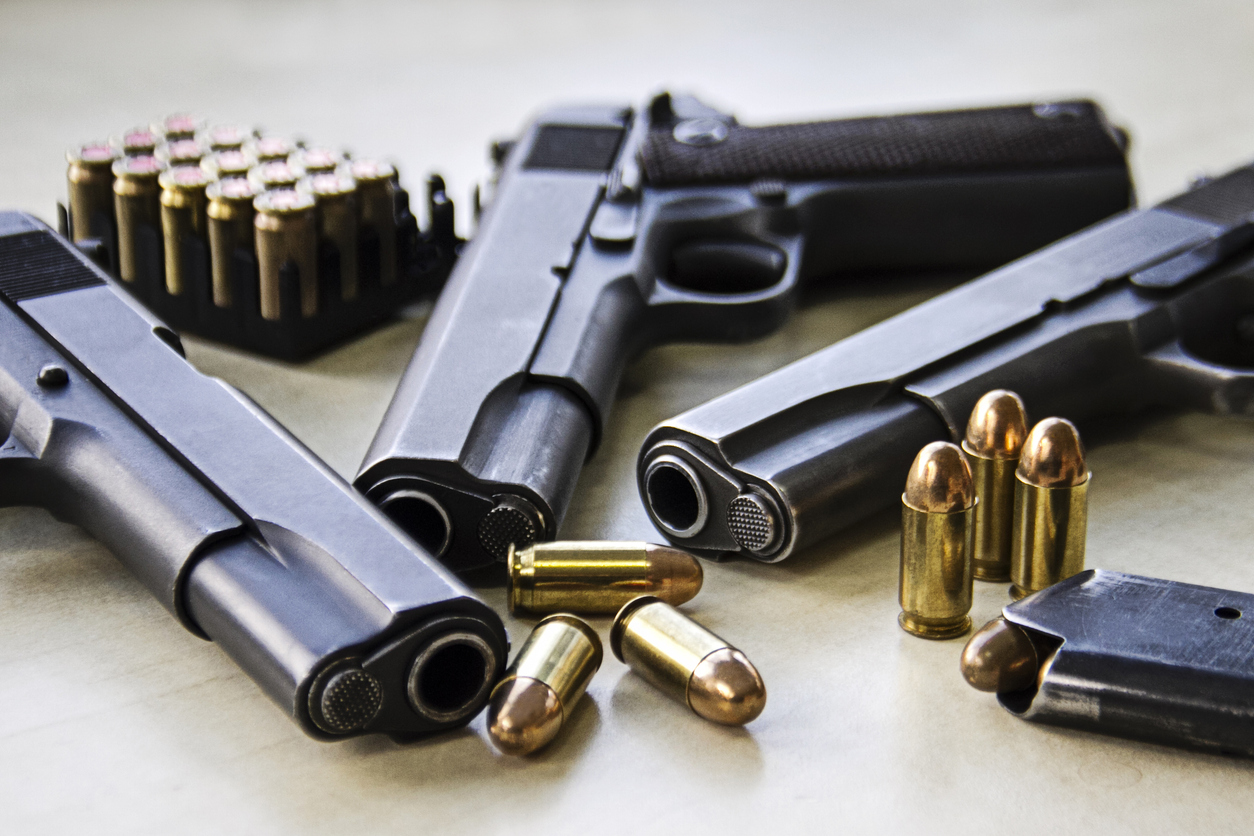
Avoiding Prohibited Weapons
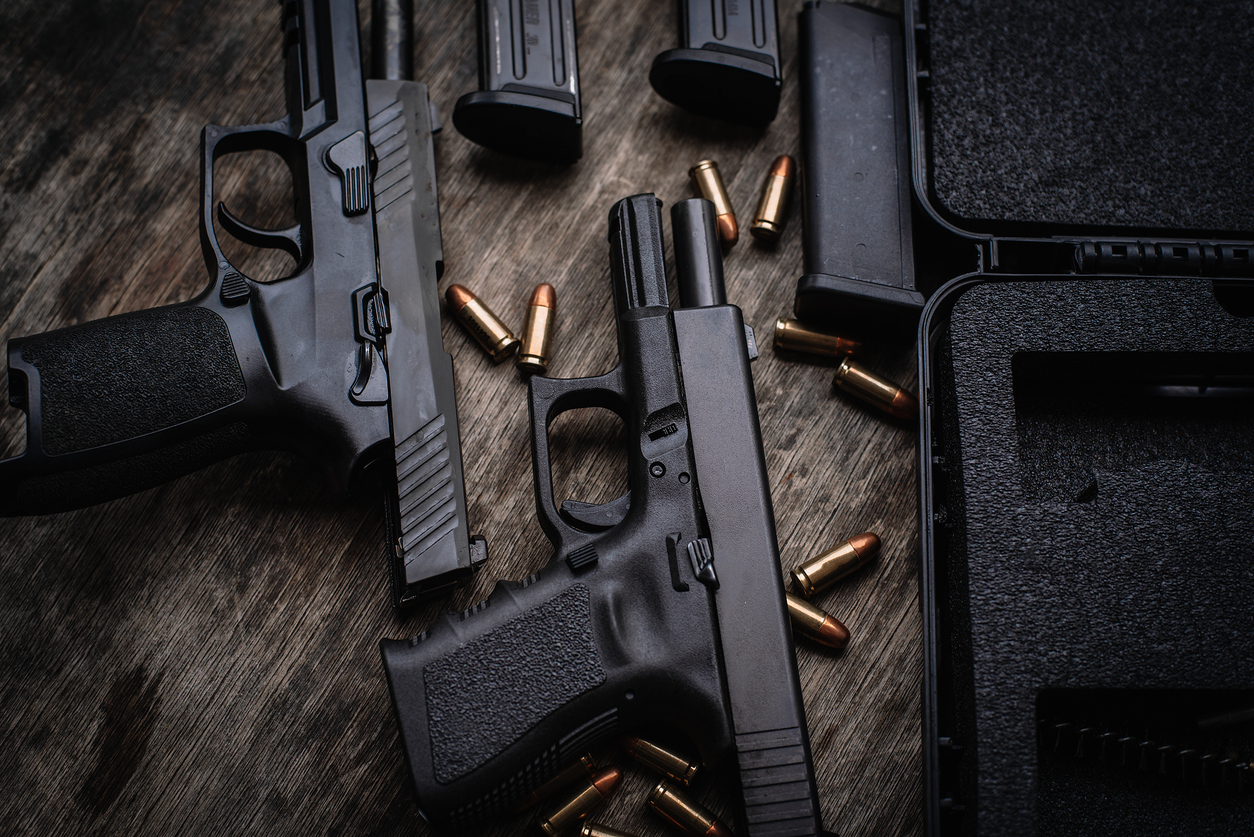
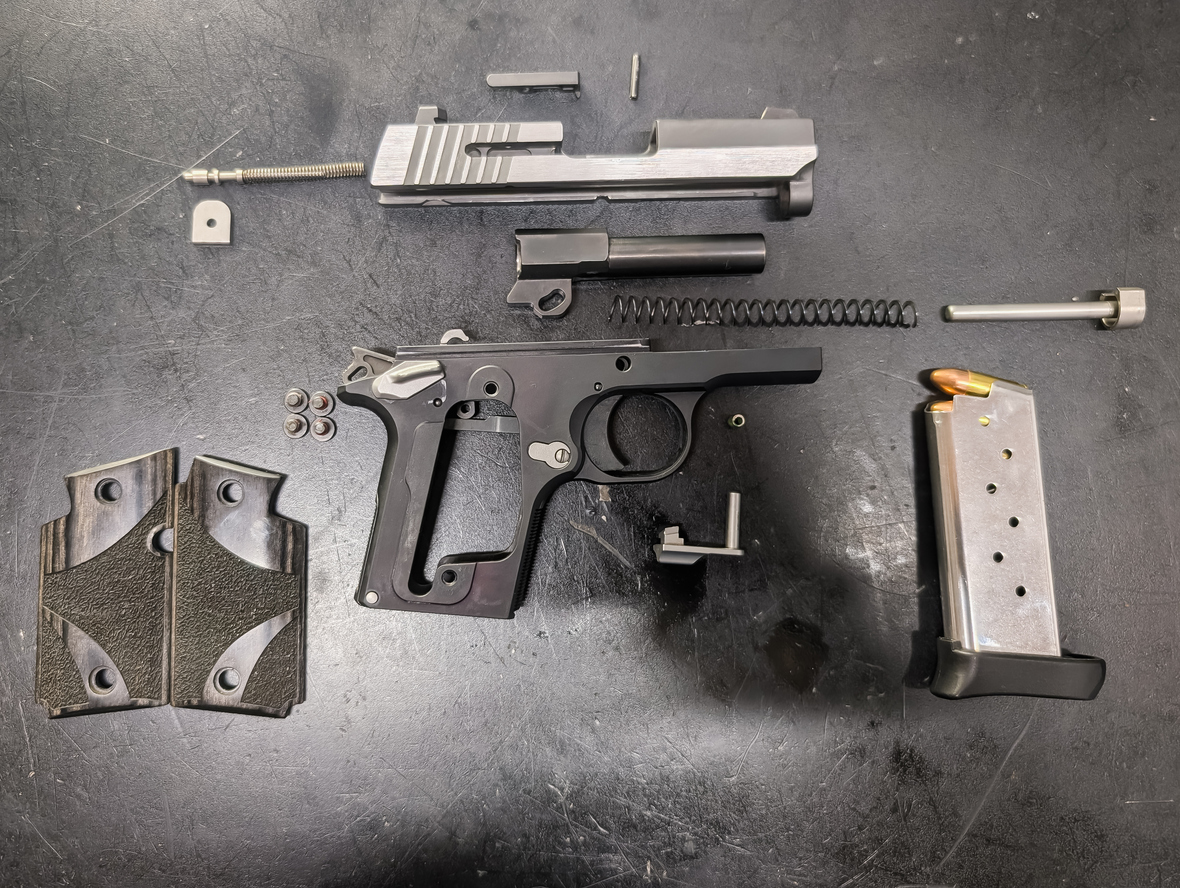
Firearms and certain weapons are strictly regulated. Unauthorised possession can result in severe penalties. Businesses involved in import/export must also ensure compliance when sourcing any security-related products.
Documentation and Licensing
Where applicable, proper permits and documentation are essential. This is particularly relevant for companies importing security equipment or distributing safety products.
Wigmore Trading can assist with compliance, sourcing, and importation processes, helping businesses navigate regulatory requirements efficiently.
Integrating Self Defence into Business Operations
For companies in FMCG, wholesale, and logistics, self-defence should be part of a broader risk management strategy.
Staff Training and Policies
Establishing clear safety protocols ensures consistency across operations. Employees should understand emergency procedures, reporting systems, and escalation channels.
Supply Chain Security
Securing warehouses, monitoring inventory movement, and working with trusted distribution partners reduces exposure to theft and operational disruptions.
By leveraging established supply chain expertise, Wigmore Trading helps businesses maintain secure and reliable distribution networks across Africa.
Conclusion
Civilian self defence options in Nigeria are most effective when approached holistically. Rather than relying solely on tools, individuals and businesses should combine awareness, training, legal compliance, and operational planning.
From personal safety devices to structured logistics solutions, the goal is to reduce risk while maintaining efficiency and compliance.
Wigmore Trading can help. Contact Wigmore Trading today to streamline your sourcing and strengthen your supply chain security.
No Comments Yet.

Comments are closed.