WIGMORE TRADING LTD, 5TH FLOOR, MULLINER TOWERS, FORMER NNPC BUILDING 39, ALFRED REWANE WAY, IKOYI LAGOS

HOURS: 6 AM -4 PM PST M - TH; 6 AM - 3 PM PST FRI

+234 1 2934174 +234 1 2934176

Current Prices of Roofing Sheets in Nigeria: A Comprehensive Guide
Get in touch on Whatsapp now:

Current Prices of Roofing Sheets in Nigeria: A Comprehensive Guide

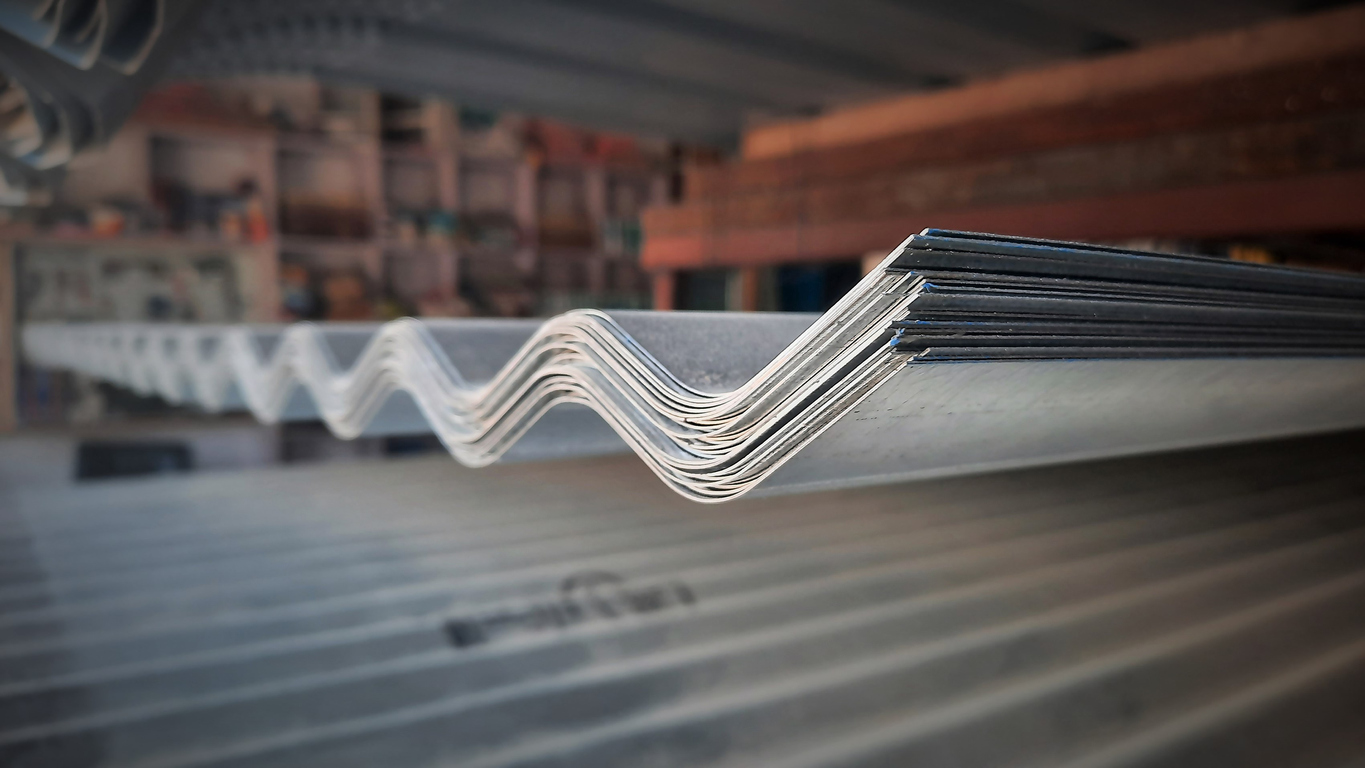
When planning a construction or renovation project, understanding the cost of roofing sheets is crucial. The price of roofing sheets in Nigeria varies based on factors such as material type, quality, and brand. Here’s a detailed look at the current prices of different types of roofing sheets in Nigeria.

Types of Roofing Sheets

1. Aluminum Roofing Sheets

Aluminum roofing sheets are popular due to their durability, lightweight, and resistance to corrosion. They are available in different grades and thicknesses.

Price Range

  • 0.45mm: ₦1,600 – ₦2,200 per meter
  • 0.55mm: ₦2,200 – ₦2,800 per meter

2. Stone-Coated Roofing Sheets

Stone-coated roofing sheets are known for their aesthetic appeal and durability. They come in various colors and styles, offering a more elegant look compared to other roofing materials.

Price Range

  • Classic Design: ₦2,800 – ₦3,500 per meter
  • Bond Design: ₦2,900 – ₦3,800 per meter

3. Fiber Cement Roofing Sheets

Fiber cement sheets are durable and resistant to fire and insects. They are a popular choice for both residential and commercial buildings.

Price Range

  • Standard Quality: ₦1,800 – ₦2,500 per meter

4. Zinc Roofing Sheets

Zinc sheets are among the most affordable roofing materials available. They are commonly used for temporary structures and in areas with lower budget constraints.

Price Range

  • 0.45mm: ₦1,200 – ₦1,600 per meter
  • 0.55mm: ₦1,600 – ₦2,000 per meter

Factors Affecting the Price of Roofing Sheets

1. Material Type

Different materials have varying costs based on their durability, weight, and other characteristics. For instance, aluminum and stone-coated sheets are more expensive than zinc sheets.

2. Thickness

Thicker sheets are more durable and provide better protection but come at a higher price. Common thickness measurements include 0.45mm and 0.55mm.

3. Quality and Brand

Higher quality and branded roofing sheets generally cost more due to their better performance and longer lifespan.

4. Market Demand

The demand for roofing sheets can influence prices. Higher demand during peak construction periods can drive up costs.

5. Location

Prices can vary depending on your location within Nigeria due to transportation costs and availability.

Where to Buy Roofing Sheets in Nigeria

Local Building Materials Markets

Local markets in major cities like Lagos, Abuja, and Port Harcourt offer a wide range of roofing sheets. Visiting these markets can help you compare prices and quality.

Online Platforms

Several online platforms sell roofing sheets, offering convenience and sometimes lower prices. Examples include:

  • Konga: Offers a variety of roofing materials.
  • Jumia: Provides a range of roofing sheets with home delivery options.

Direct from Manufacturers

Buying directly from manufacturers or authorized distributors can sometimes result in better prices and authentic products.

Conclusion

The cost of roofing sheets in Nigeria varies based on material type, thickness, quality, and other factors. By understanding these variables and comparing prices from different sources, you can make informed decisions for your construction project. Whether you choose aluminum, stone-coated, fiber cement, or zinc roofing sheets, ensure to buy from reputable sources to get the best value for your money.

For more detailed information and resources on building materials, visit Wigmore Trading.

References:

  1. Nigerian Price – Current Prices of Roofing Sheets in Nigeria
  2. Price in Nigeria – Cost of Roofing Sheets in Nigeria
  3. Guardian Nigeria – Roofing Sheets Prices and Options


Back to News

No Comments Yet.

Comments are closed.

VISIONARY, BOLD, DISRUPTIVE

Each month, Wigmore team of experts contribute to the latest insights and analysis, setting the agenda and leading the discussion on unlocking capital so you can put it to work.

How to Operate Legally in Restricted Economies: A Practical Guide for Businesses

Operating in restricted economies presents both opportunity and complexity. Markets with trade limitations, sanctions, or regulatory barriers can offer untapped demand, but businesses must navigate strict compliance frameworks to avoid...

Read More

The Hidden Risks of Black Market Supply Chains in Cuba and How to Overcome Them

Cuba’s complex economic environment has given rise to a significant black market supply chain, particularly in sectors such as FMCG, food imports, and consumer goods. While informal channels may appear...

Read More

Exploring Reliable LNG Supply Options for Cuba’s Growing Energy Needs

Cuba’s energy sector is undergoing gradual transformation as the country seeks to reduce dependence on traditional fuels and improve electricity generation reliability. Liquefied Natural Gas (LNG) has emerged as a...

Read More

How Cuba Can Replace Venezuelan Oil Supply: Strategic Pathways for Energy Stability

Cuba’s long-standing reliance on Venezuelan oil has created a structural vulnerability in its energy sector. As Venezuela’s production capacity has declined due to economic and operational challenges, Cuba faces increasing...

Read More

Emerging Trade Pathways: Venezuela–Cuba Oil Trade Alternatives in a Shifting Energy Market

The long-standing oil-for-services arrangement between Venezuela and Cuba has historically underpinned Cuba’s energy security and Venezuela’s regional influence. However, declining Venezuelan production, tightening sanctions, and geopolitical disruptions have significantly weakened...

Read More

Wigmore Trading, FMCG Distributors, Wholesale and Logistics in Lagos, Nigeria. Abuja & West Africa. | Wigmore Trading Nigeria | Wigmore Trading Nigeria

WhatsApp Chat