
Fish Farming: A Necessary Industry For Nigeria
Talk to us about this service
Trade, import, logistics, sourcing — whatever you're planning, the fastest way to a quote is a WhatsApp message. Our team replies during Lagos business hours.
WhatsApp usYour message tells us which page you came from
Fish Farming: A Necessary Industry For Nigeria
Nigeria is the largest producer of tilapia in West Africa. It also has one of the largest inland aquaculture industries in West Africa. In fact, Nigeria produces more than half of all tilapia consumed in the world. But there’s a catch: Nigeria is losing its fish-farming industry.The Nigerian government banned imported fish for almost two years starting in January 2016. It did this to protect local fish farmers and boost production. Unfortunately, this action had the reverse effect: many existing domestic fish farms closed their doors rather than start growing their own fish locally. The same goes for new ventures that would have entered the market. As a result, some domestic producers are trying to get that ban lifted so they can open up again and others are shifting operations to other countries where it’s still legal to import fish from third parties such as China, Thailand and Vietnam. This article explores why Nigeria needs its fish-farming industry, how it supports jobs, how it affects the economy, and why it’s so important for the future of Nigeria.
What Is Tilapia?
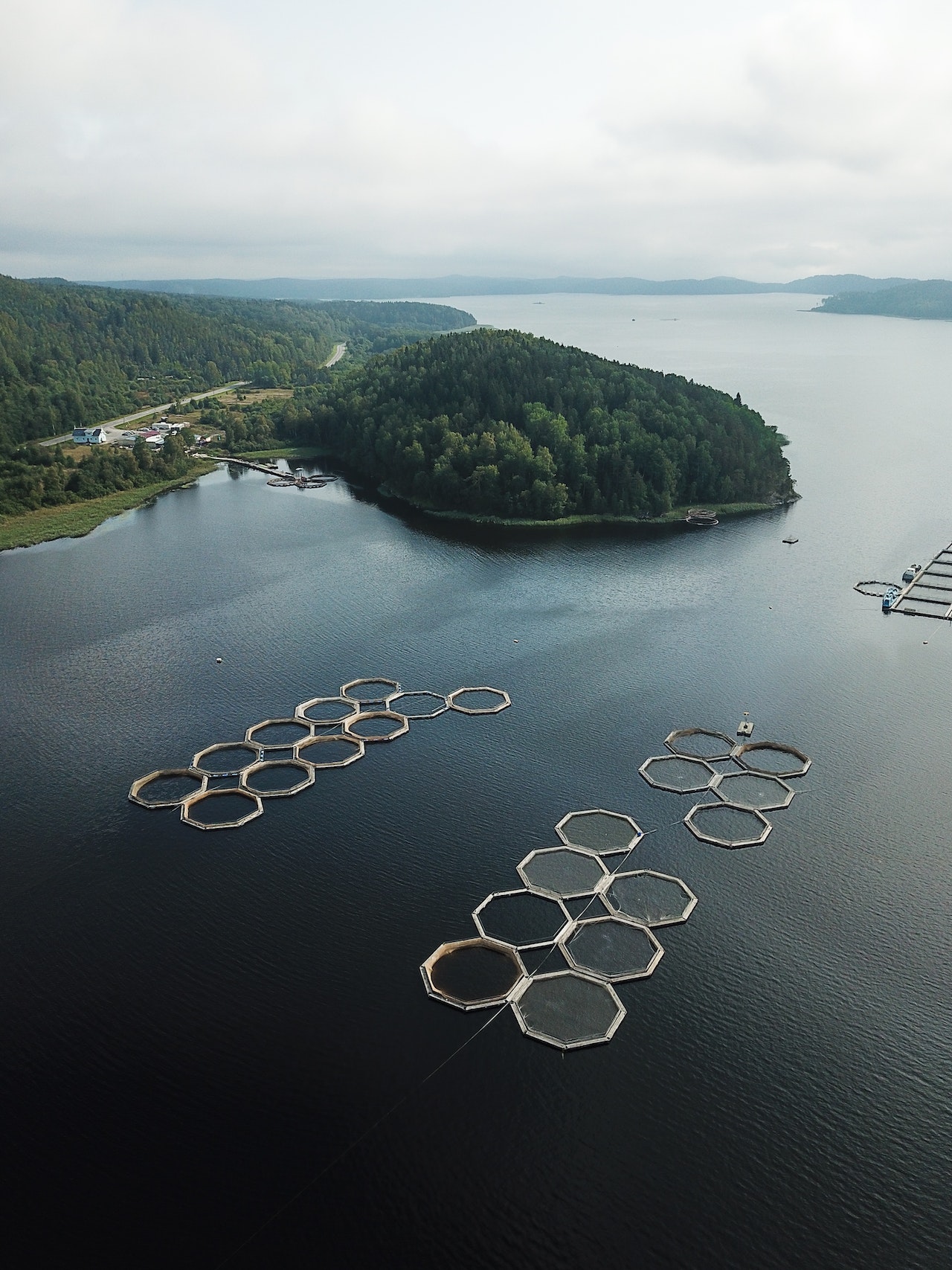
Tilapia is a type of fish that can survive in almost any warm water conditions. It grows quickly and can be raised on a wide variety of feed, including other fish. As such, tilapia makes the perfect fish to farm in a country like Nigeria where freshwater is scare. Tilapia can be farmed in ponds, tanks, or even tanks on land. Farmers can also raise them in cages in lakes and rivers.
Why Does Nigeria Need Its Fish Farming Industry?
Fish is a staple in the Nigerian diet. In fact, West Africans consume more fish per capita than other regions of the world. And Nigeria is no exception. People in Nigeria eat a lot of fish. In fact, most restaurants in Nigeria don’t sell beef, chicken or even pork. Instead, they serve up tilapia, prawns, and crayfish. Fish is a relatively healthy food. It’s high in protein and low in both carbs and fat. It also contains B vitamins, vitamin D, potassium, and phosphorus. Fish is also a cheap source of protein. Nigerians can buy a kilo of fish for the same price as a kilo of beef. This makes it a great source of protein for poor people who can’t afford more expensive meats.
How Does The Fish Farming Industry Support Jobs?
Fish farming is a very labour-intensive industry. To grow fish for food, farmers use nets, cages, tanks, feed, and other materials and equipment. Nigerian fish farms employ thousands of workers. In fact, fish farming may employ more people than cattle rearing. Fish farming can also help create new jobs and opportunities for people in rural areas. As with many other trade industries, fish farming requires a lot of manual labour. This means that many fish farmers employ people who don’t have a formal education. Fish farming can be a great path to financial success and a productive career. Fish farming can be a great path to financial success.
How Does The Fish Farming Industry Affect The Economy?
As you may have gathered, the Nigerian fish-farming industry is big business. In fact, it’s worth over $500 million. Fish farming also has a ripple effect. Every time a fish farmer buys feed or nets, he or she employs someone else in the supply chain. This creates even more jobs in the country. Fish farming can also help create new jobs and opportunities for people in rural areas. As with many other trade industries, fish farming requires a lot of manual labour. This means that many fish farmers employ people who don’t have a formal education. Fish farming can be a great path to financial success and a productive career. Fish farming can be a great path to financial success.
Why This is Important For The Future of Nigeria?
Fish farming is a crucial industry for Nigeria. It supports many jobs and increases the economy through the goods and services purchased by fish farmers, feed producers, and other related businesses. Fish farming is also a necessary source of food for the majority of the population. People who live inland rely on fish for nutrition. Fish is a relatively healthy source of protein and vitamins. It’s also affordable and easily available in Nigeria. Fish is a crucial industry for Nigeria.
Final Words
Nigeria is the largest producer of tilapia and the second-largest exporter of fish globally. It also has one of the largest inland aquaculture industries in West Africa. In fact, Nigeria produces more than half of all tilapia consumed in the world. The Nigerian government banned imported fish for almost two years starting in January 2016. It did this to protect local fish farmers and boost production. Unfortunately, this action had the reverse effect: many existing domestic fish farms closed their doors rather than start growing their own fish locally. This article explores why Nigeria needs its fish-farming industry, how it supports jobs, how it affects the economy, and why it’s so important for the future of Nigeria.


LEAVE A COMMENT
You must be logged in to post a comment.