
Food Supply for Fast Food Restaurants in Nigeria: A Practical Guide to Reliable Sourcing

Fast food restaurants in Nigeria operate in a highly competitive and fast-moving environment where consistency, cost control, and supply reliability are critical. Securing a dependable food supply for fast food restaurants in Nigeria is not just about purchasing ingredients—it involves managing sourcing, logistics, quality standards, and supplier relationships.
This article explores how fast food operators can build efficient supply chains, overcome common challenges, and maintain consistent product quality across locations.
Understanding Food Supply Needs in the Fast Food Industry
Fast food businesses require a steady and predictable supply of key ingredients such as poultry, beef, flour, cooking oil, frozen foods, vegetables, and packaging materials. Unlike traditional restaurants, fast food operations depend on:
- High-volume purchasing
- Standardized ingredient quality
- Fast turnaround times
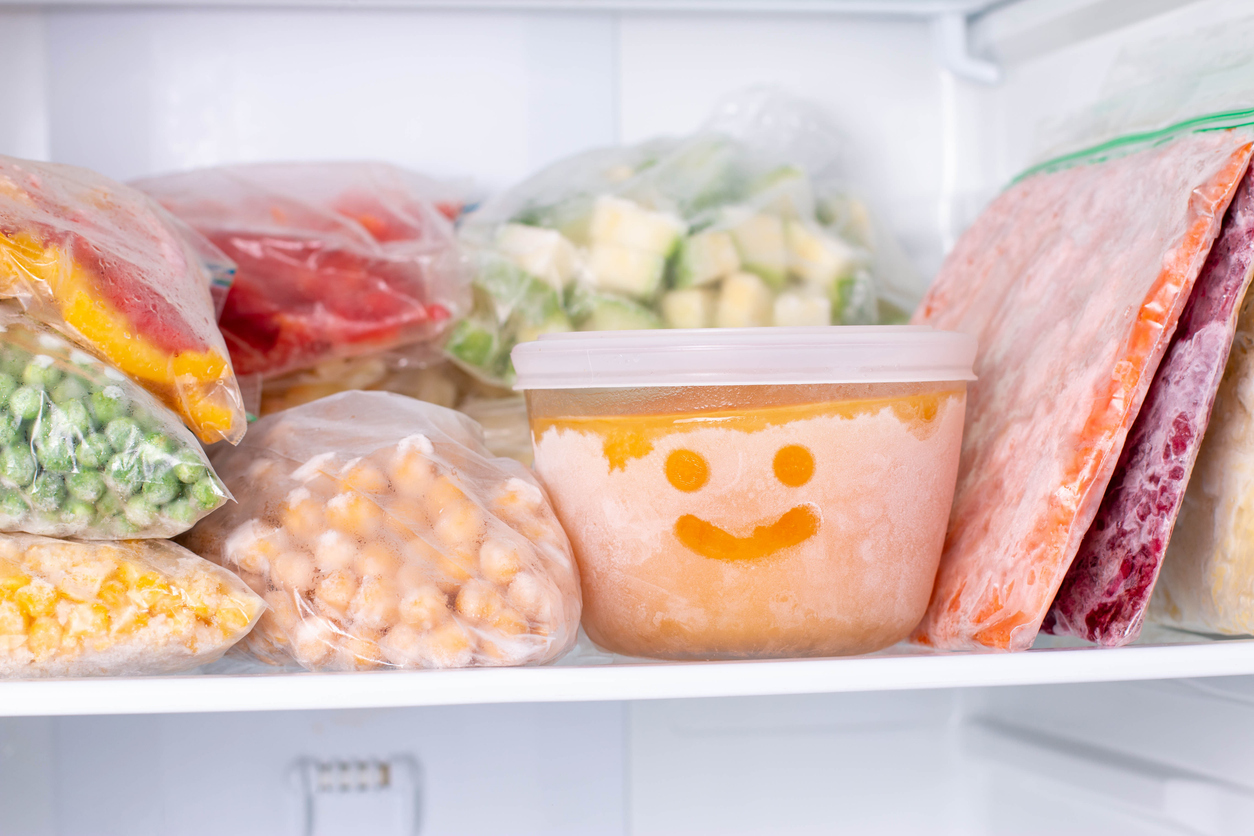
- Reliable cold chain logistics
Any disruption in supply can lead to inconsistent menu offerings, increased costs, or customer dissatisfaction.
Key Challenges in Food Supply for Fast Food Restaurants in Nigeria
1. Inconsistent Quality of Raw Materials
Sourcing from multiple local suppliers can result in variations in quality, especially for perishable goods like meat and vegetables. This inconsistency affects taste, portioning, and brand reputation.
2. Supply Chain Disruptions
Transport delays, poor road infrastructure, and fuel costs can interrupt timely delivery. For frozen and perishable items, this is particularly critical.
3. Storage and Cold Chain Limitations
Maintaining the right temperature for frozen and chilled goods remains a challenge for many operators, especially outside major cities.
4. Price Volatility
Fluctuations in food prices—driven by inflation, currency changes, or seasonal availability—can significantly impact margins.
5. Regulatory and Compliance Issues
Food safety regulations, import restrictions, and customs processes can complicate sourcing, particularly for imported goods.
Building a Reliable Food Supply Chain
To ensure consistent operations, fast food businesses must adopt a structured approach to procurement and supply management.
Centralised Procurement Strategy
Working with a centralized supplier or distributor helps standardize quality and reduce procurement complexity. Instead of managing multiple vendors, restaurants can streamline sourcing through a single trusted partner.
Supplier Vetting and Quality Control
Establish clear quality standards and conduct regular supplier evaluations. This includes:
- Product inspections
- Certifications and compliance checks
- Batch consistency monitoring
Inventory Management Systems
Implementing inventory tracking systems helps reduce waste, prevent stockouts, and improve demand forecasting.
Cold Chain Logistics Investment
Reliable refrigeration—from storage to transportation—is essential for maintaining food safety and extending shelf life.
The Role of Bulk Sourcing and Wholesale Distribution
Bulk purchasing is one of the most effective ways to reduce costs and improve supply reliability. Wholesale distributors play a key role by:
- Aggregating products from multiple producers
- Ensuring consistent supply volumes
- Offering competitive pricing
- Managing logistics and delivery
For fast food restaurants in Nigeria, working with an experienced distributor simplifies operations and allows businesses to focus on customer service and expansion.
Leveraging Import and Local Sourcing Balance
A balanced sourcing strategy often combines both local and imported products.
- Local sourcing supports cost efficiency and faster delivery for fresh items.
- Imports ensure consistency for specialized or processed goods not readily available locally.
Managing this balance requires expertise in logistics, customs clearance, and supplier coordination—areas where professional trading companies add significant value.
How Wigmore Trading Supports Food Supply Chains
Efficient food supply for fast food restaurants in Nigeria requires coordination across sourcing, logistics, and compliance. Wigmore Trading supports businesses by offering:
- Reliable sourcing of food products locally and internationally
- Bulk supply solutions tailored to fast food operations
- End-to-end logistics, including cold chain management
- Import/export support and regulatory compliance
- Consistent quality assurance across supply batches
By acting as a single point of coordination, Wigmore Trading helps reduce operational complexity while ensuring consistent supply and cost control.
Practical Tips for Fast Food Operators
To improve supply chain performance, fast food businesses should:
- Build long-term relationships with trusted suppliers
- Forecast demand accurately to avoid shortages
- Invest in proper storage infrastructure
- Diversify supply sources to reduce risk
- Work with experienced logistics and trading partners
These steps help ensure operational stability and support long-term growth.
Conclusion
Maintaining a reliable food supply for fast food restaurants in Nigeria is essential for delivering consistent quality, controlling costs, and scaling operations. By adopting structured sourcing strategies, leveraging bulk distribution, and partnering with experienced supply chain providers, fast food businesses can overcome common challenges and operate more efficiently.
Wigmore Trading can help. Contact Wigmore Trading today to streamline your sourcing.




Comments are closed.