LOS Lagos HQ ACC Accra LON London NYC New York
Chat on WhatsApp sales@wigmoretrading.com
Wigmore Trading · Giving back

A sewing machine in the attic. A living, somewhere else.

In Nigeria and Ghana, tailoring isn't a hobby — it's a trade. A working sewing machine is a tool someone can build an income around, and it doesn't wear out the way most donations do. If yours has stopped earning its keep, we can move it to somewhere it will.
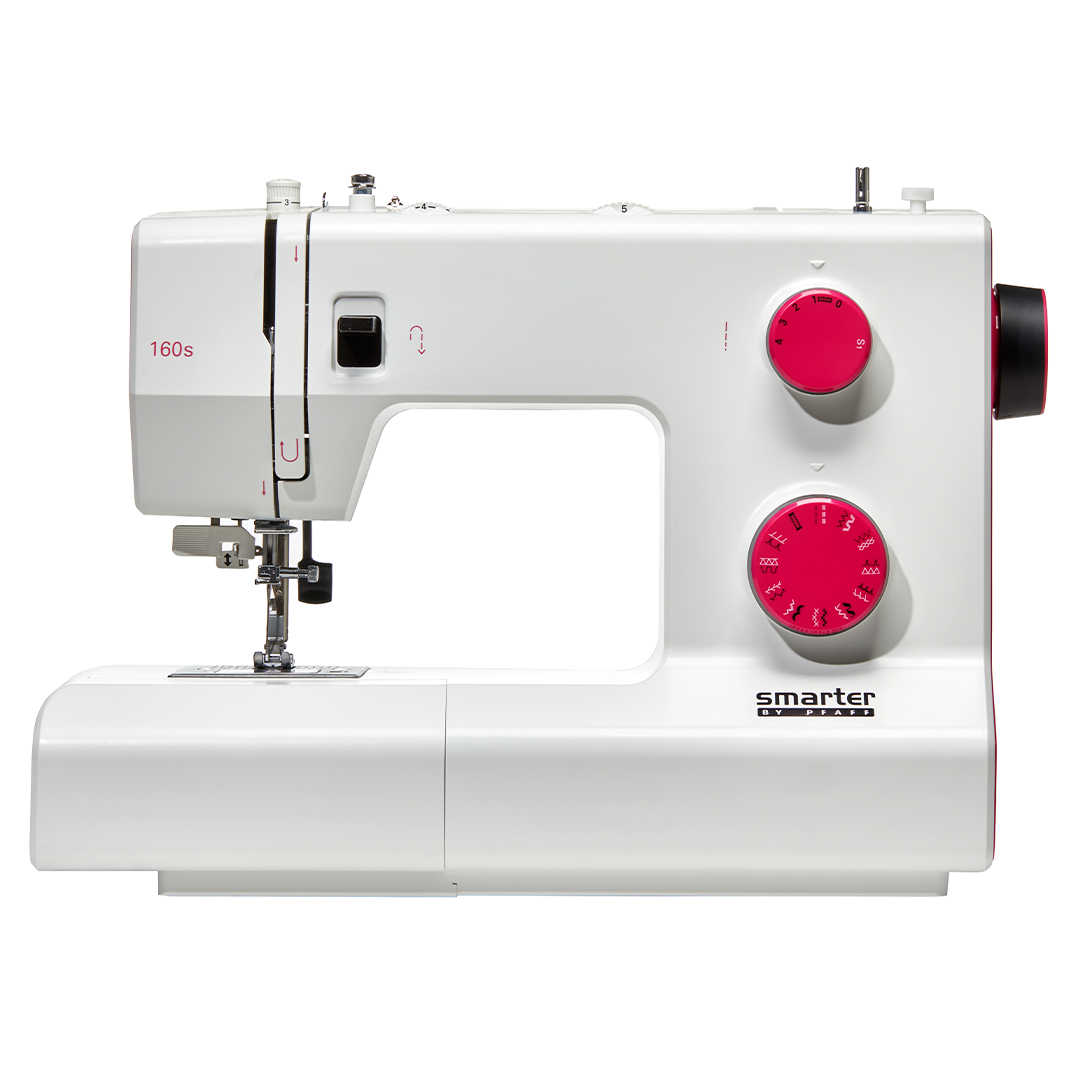
Electric sewing machine
Tailoring is a real trade thereMade-to-measure clothing is ordinary rather than luxury across much of West Africa. Tailors are in every neighbourhood, and the work is steady.
A machine lasts decadesUnlike most donated goods, a well-made sewing machine keeps working for years and can be repaired locally when it doesn't.
We handle the hard partMachines are heavy and awkward to ship. Freight and customs clearance into West Africa is our day job, so we cover it.
Why a sewing machine

Not a gift. A tool.

Most donated goods get used up. Clothes wear out, supplies run down, and next year the same need is back. A sewing machine is different: it's productive equipment, and in the right hands it generates income for years rather than meeting a need once.

That matters more in West Africa than it might in the UK, because tailoring there is an ordinary, established trade rather than a craft revival. Clothes are commonly made to measure. Uniforms need altering. Repairs are normal rather than a lost art. A tailor with a working machine has customers.

The best donations aren't the ones that meet a need — they're the ones that let someone meet it themselves.

It's also one of the few donations where an old machine can be better than a new one. Older mechanical machines are heavier, simpler and often more repairable than modern computerised models, which is exactly what you want somewhere a local repairer needs to be able to fix it without proprietary parts.

How to donate

Talk to us first

Different from our other programmes — sewing machines are heavy, so please don't just post one.

1

Message us

Tell us what you have — make, model if you know it, whether it works, and roughly where you are.

2

We'll agree the route

Depending on where you are and what you have, that may mean collection, a drop-off, or posting to our UK address.

3

It ships with our freight

Your machine travels in a consignment we're already sending, gets cleared through customs, and goes to someone who'll use it.

Tell us about your machine
Once we've spoken

Our UK collection address

For smaller portable machines, or once we've agreed posting is the right route.

Send donations to
Shalom Ministries International
47A High Street
Arlesey
SG15 6SW
Please mark the package:“School Children in Africa Donation”
Please message us before sending a sewing machine. They're heavy, postage costs more than people expect, and an unannounced machine can sit unclaimed. One quick message saves you money and gets it moving faster.
Helpful to know

What we can take

Yes please

  • Working machines — mechanical or electric
  • Older sturdy models, which are often the most repairable
  • Hand-crank and treadle machines — genuinely valuable where power is unreliable
  • Overlockers and industrial machines
  • Foot pedals, power leads and manuals — please include them
  • Bobbins, needles, feet and spare parts
  • Fabric, thread, zips and haberdashery
Tip: a machine with its pedal, lead, bobbin case and manual is worth far more than one without — those are the parts hardest to replace.

Tell us first

Not necessarily a no — but worth a conversation before you send it.

  • Machines that don't work — sometimes worth it for parts, often not
  • Missing the pedal or power lead — may be hard to match
  • Very heavy cabinet models — shipping may cost more than the machine is worth
  • Computerised machines needing proprietary parts or software
  • Anything with damaged wiring — we won't ship an electrical hazard
We'd rather tell you honestly that something isn't worth shipping than take it and quietly dispose of it.

If we're not the right home for it

We won't be the best option for every machine, and it would be daft to pretend otherwise. Other routes worth considering:

  • Local sewing and repair groups — repair cafés, community sewing clubs and adult education classes often need machines
  • Schools and colleges running textiles courses
  • Refugee and resettlement projects, where sewing groups are common
  • Charity shops that accept electricals — call ahead, as many can only take PAT-tested items
  • Sewing machine repairers, who will sometimes take non-working machines for parts
Questions

Common questions

Does my machine need to be working?
Ideally yes. A working machine goes straight to someone who can use it; a broken one needs repair before it's worth anything, and shipping a machine that can't be fixed locally wastes money that could have moved a working one. If yours doesn't work, tell us what's wrong and we'll give you an honest answer.
Is an old machine still useful?
Often more useful than a new one. Older mechanical machines are built heavier, are simpler to repair, and don't depend on proprietary parts or electronics — all of which matters where a local repairer needs to keep it running. Hand-crank and treadle machines are especially valuable where mains power is unreliable.
Why do I need to contact you before sending?
Because sewing machines are heavy and awkward. Postage often costs more than people expect, some machines aren't worth shipping, and a machine arriving unannounced can sit around. A quick message means we can tell you whether to post it, arrange collection, or point you somewhere better.
Can I donate fabric and sewing supplies too?
Yes — fabric, thread, zips, buttons, needles, bobbins and haberdashery are all genuinely useful and much easier to ship than a machine. They can go to the address above with our other donations.
Who receives the machines?
They're distributed through the same school and community partners we work with in Nigeria and Ghana, who identify people who'll put a machine to work. We can tell you where a particular machine went if you'd like to know.
Is Wigmore Trading a charity?
No. Wigmore Trading Limited is a trading and logistics company. We run donation programmes using our own shipping and distribution network and work alongside charity partners, but we're not a registered charity, we don't collect money, and we don't refurbish or resell donated machines.

Donations are collected in the UK in partnership with Shalom Ministries International and distributed in Nigeria and Ghana with local school and community partners. Wigmore Trading Limited is a trading and logistics company, not a registered charity; we do not collect monetary donations, and we do not repair, refurbish or resell donated equipment. Donated goods are given voluntarily and we cannot guarantee a specific recipient for an individual item. Electrical items are shipped only where safe to do so — please tell us about any damage to wiring or plugs. Items unsuitable for the programme are passed to other charitable causes where possible. Organisation names mentioned are the property of their respective owners.

Gathering dust here. Earning a living there.

Tell us what you've got and we'll work out the best way to move it.

Message us about your machine

WhatsApp Chat