
Grains in Nigeria: Reliable Sourcing & Distribution
Talk to us about this service
Trade, import, logistics, sourcing — whatever you're planning, the fastest way to a quote is a WhatsApp message. Our team replies during Lagos business hours.
WhatsApp usYour message tells us which page you came from
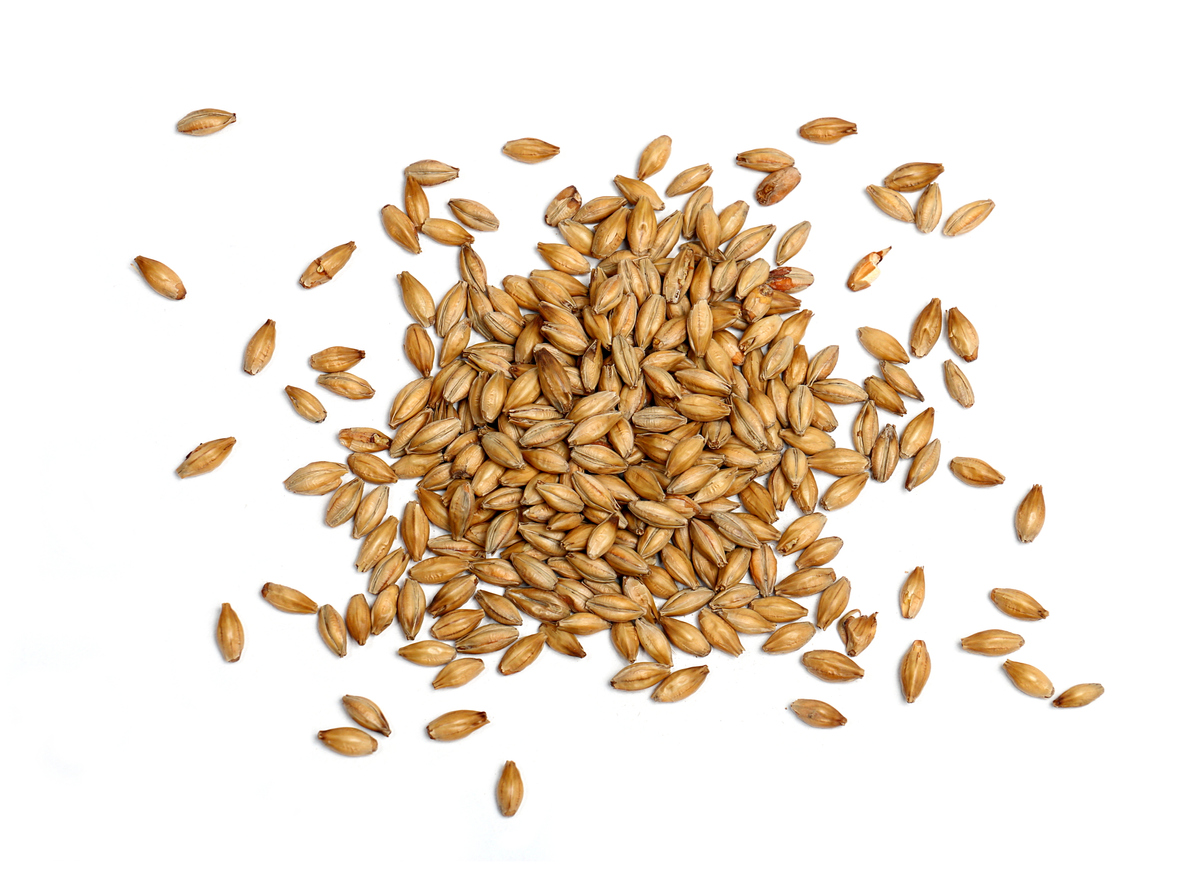
Nigeria is a major player in Africa’s agricultural sector, with grains forming a vital part of both domestic consumption and export activities. From maize and rice to sorghum and millet, the country produces a variety of grains that support local economies and food security. For businesses involved in import/export, logistics, and wholesale distribution, understanding the grains market in Nigeria is crucial for strategic planning and profitable operations.
Key Types of Grains in Nigeria
Nigeria produces a wide variety of grains, including:
-
Maize: The most widely cultivated grain, essential for food and industrial use.
-
Rice: A staple that drives both local consumption and international trade.
-
Sorghum and Millet: Hardy grains that thrive in northern Nigeria, supporting rural livelihoods.
These grains form the backbone of Nigeria’s agricultural economy and offer opportunities for local and international businesses.
The Nigerian Grain Market: An Overview
Northern states like Kaduna, Kano, and Jigawa are key grain producers. Despite strong domestic production, challenges such as post-harvest losses and inadequate storage affect market stability.
Nigeria also imports grains like wheat and barley, while exporting surplus maize and rice. Wigmore Trading helps businesses navigate these opportunities by providing reliable sourcing, efficient supply chain management, and expert market guidance for domestic and international markets.
Challenges of Sourcing Grains in Nigeria
Sourcing grains in Nigeria comes with common hurdles:
-
Quality Variability: Differences in farming and storage practices can affect grain quality.
-
Logistics Constraints: Poor infrastructure and seasonal disruptions can delay shipments.
-
Market Fluctuations: Grain prices are affected by supply-demand imbalances and global trends.
How Wigmore Trading Solves Grain Sourcing Challenges
-
Quality Assurance: Grains meet international standards for moisture content, purity, and packaging.
-
Efficient Distribution: A robust logistics network ensures prompt delivery across Nigeria and abroad.
-
Market Insights: Timely pricing trends help businesses make informed sourcing decisions.
Technological Solutions for Grains in Nigeria
Modern storage and processing technologies such as grain dryers, silos, and digital inventory management help reduce post-harvest losses. Wigmore Trading partners with experts to provide these solutions, ensuring high-quality grains while minimizing waste and maximizing profits.
Why Partner with Wigmore Trading
Companies face multiple hurdles in sourcing grains in Nigeria, from inconsistent supply to logistical challenges. Wigmore Trading provides a reliable supply chain, market insights, and seamless procurement and distribution services. Whether you are a local distributor, an international importer, or a food manufacturer, Wigmore Trading can help streamline your grain sourcing process.




Comments are closed.