
home security Nigeria, defence equipment, security systems, import logistics, Wigmore Trading
Talk to us about this service
Trade, import, logistics, sourcing — whatever you're planning, the fastest way to a quote is a WhatsApp message. Our team replies during Lagos business hours.
WhatsApp usYour message tells us which page you came from
Security remains a growing concern for households and businesses across Nigeria. From urban residential areas to commercial facilities, the need for reliable home defence equipment in Nigeria has become increasingly important. However, selecting the right solutions requires a balance between effectiveness, legality, and affordability.
This guide outlines key categories of home defence equipment, considerations for sourcing, and how structured supply chains—such as those supported by Wigmore Trading—can improve access to quality security products.
Understanding the Demand for Home Defence Equipment in Nigeria
Rising urbanisation, expanding commercial activity, and infrastructure gaps have increased demand for security solutions. Both homeowners and small businesses are investing in protective equipment to reduce risks such as burglary, vandalism, and unauthorised access.
Home defence equipment in Nigeria typically falls into two main categories:
- Preventive systems (deterrents and surveillance)
- Responsive tools (used during emergencies)
A well-rounded approach combines both.
Key Types of Home Defence Equipment
1. Surveillance and Monitoring Systems
CCTV cameras are among the most widely used security tools. Modern systems offer:
- Remote monitoring via mobile devices
- Motion detection alerts
- Night vision capabilities
These systems act as both deterrents and evidence-gathering tools. For businesses managing warehouses or retail outlets, surveillance is essential for operational control.
2. Alarm Systems and Sensors
Alarm systems provide immediate alerts when security is breached. Common options include:
- Door and window sensors
- Motion detectors
- Smart alarm integrations
In Nigeria, where response times can vary, alarm systems help occupants act quickly and notify security personnel.
3. Access Control Systems
Access control solutions restrict entry to authorised individuals. These include:
- Keycard systems
- Biometric scanners
- Smart locks
For offices, warehouses, and gated residential properties, access control reduces internal and external risks.
4. Physical Barriers and Reinforcements
Basic but effective, physical security measures include:
- Reinforced doors and locks
- Security gates and fencing
- Burglar proofing
These are often the first line of defence and remain widely used due to their cost-effectiveness.
5. Personal Safety Devices
Non-lethal personal defence tools such as:
- Pepper spray
- Personal alarms
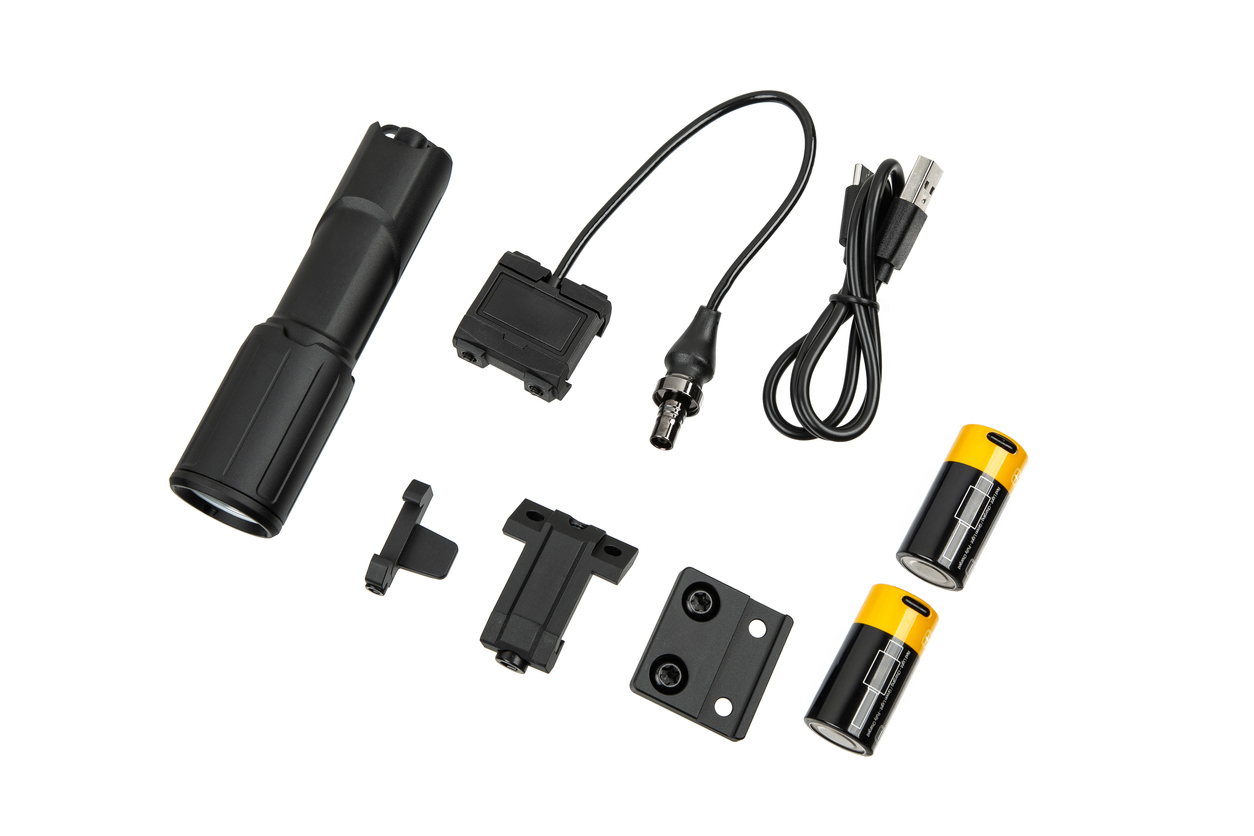
- Tactical flashlights
These are typically used as last-resort protective measures and must comply with local regulations.
Legal and Regulatory Considerations
When sourcing home defence equipment in Nigeria, compliance is critical. Certain items—especially those considered weapons—may be restricted or require permits.
Key considerations include:
- Ensuring products meet Nigerian safety standards
- Verifying import regulations for controlled items
- Avoiding prohibited equipment
Businesses involved in importing or distributing security equipment must stay updated on regulatory frameworks to avoid penalties or confiscation.
Sourcing Challenges in Nigeria
Despite growing demand, accessing reliable home defence equipment in Nigeria can present challenges:
- Inconsistent product quality from informal markets
- Supply chain disruptions affecting availability
- Counterfeit or substandard products
- Limited after-sales support
These issues highlight the importance of working with established sourcing and distribution partners.
How Wigmore Trading Supports Security Equipment Supply Chains
Wigmore Trading plays a key role in improving access to quality home defence equipment in Nigeria through structured sourcing and logistics solutions.
Reliable Global Sourcing
By working with verified international manufacturers, Wigmore Trading helps businesses access:
- Certified security equipment
- Consistent product quality
- Competitive wholesale pricing
Import and Compliance Management
Navigating import regulations can be complex. Wigmore Trading supports:
- Documentation and customs clearance
- Compliance with Nigerian import laws
- Risk mitigation for restricted goods
Distribution and Logistics
Efficient distribution ensures products reach end users on time. Wigmore Trading offers:
- Warehousing solutions
- Nationwide delivery networks
- Inventory management support
This is particularly valuable for retailers, wholesalers, and security service providers.
Supply Chain Transparency
Structured procurement processes reduce the risks associated with counterfeit goods and unreliable suppliers, ensuring businesses maintain credibility with their customers.
Choosing the Right Equipment for Your Needs
Selecting appropriate home defence equipment in Nigeria depends on several factors:
- Property size and layout
- Budget constraints
- Risk level and location
- Integration with existing systems
For example:
- A residential home may prioritise CCTV and reinforced doors
- A warehouse may require surveillance, access control, and alarms
Working with experienced suppliers ensures solutions are tailored to specific operational needs.
Future Trends in Home Defence Equipment in Nigeria
The market is evolving with increased adoption of:
- Smart home security systems
- Cloud-based surveillance
- Integrated security ecosystems
As technology becomes more accessible, businesses and homeowners are shifting towards scalable and interconnected solutions.
Conclusion
Investing in home defence equipment in Nigeria is no longer optional for many households and businesses—it is a necessary step toward safeguarding assets and ensuring peace of mind. However, the effectiveness of these systems depends heavily on product quality, compliance, and reliable supply chains.
By partnering with experienced sourcing and logistics providers, businesses can overcome common challenges and access dependable security solutions.
Wigmore Trading can help. Contact Wigmore Trading today to streamline your sourcing.
No Comments Yet.




Comments are closed.