
A Practical Guide to Home Surveillance Systems in Nigeria
Talk to us about this service
Trade, import, logistics, sourcing — whatever you're planning, the fastest way to a quote is a WhatsApp message. Our team replies during Lagos business hours.
WhatsApp usYour message tells us which page you came from
As urbanisation increases and security concerns evolve, home surveillance systems in Nigeria have become an essential consideration for homeowners, landlords, and property developers. Whether for residential estates in Lagos or standalone homes in Abuja and Port Harcourt, investing in the right surveillance infrastructure can significantly improve safety, monitoring, and peace of mind.
This guide explains how home surveillance systems work, key considerations for buyers, and how businesses like Wigmore Trading can support sourcing and distribution.
Understanding Home Surveillance Systems in Nigeria
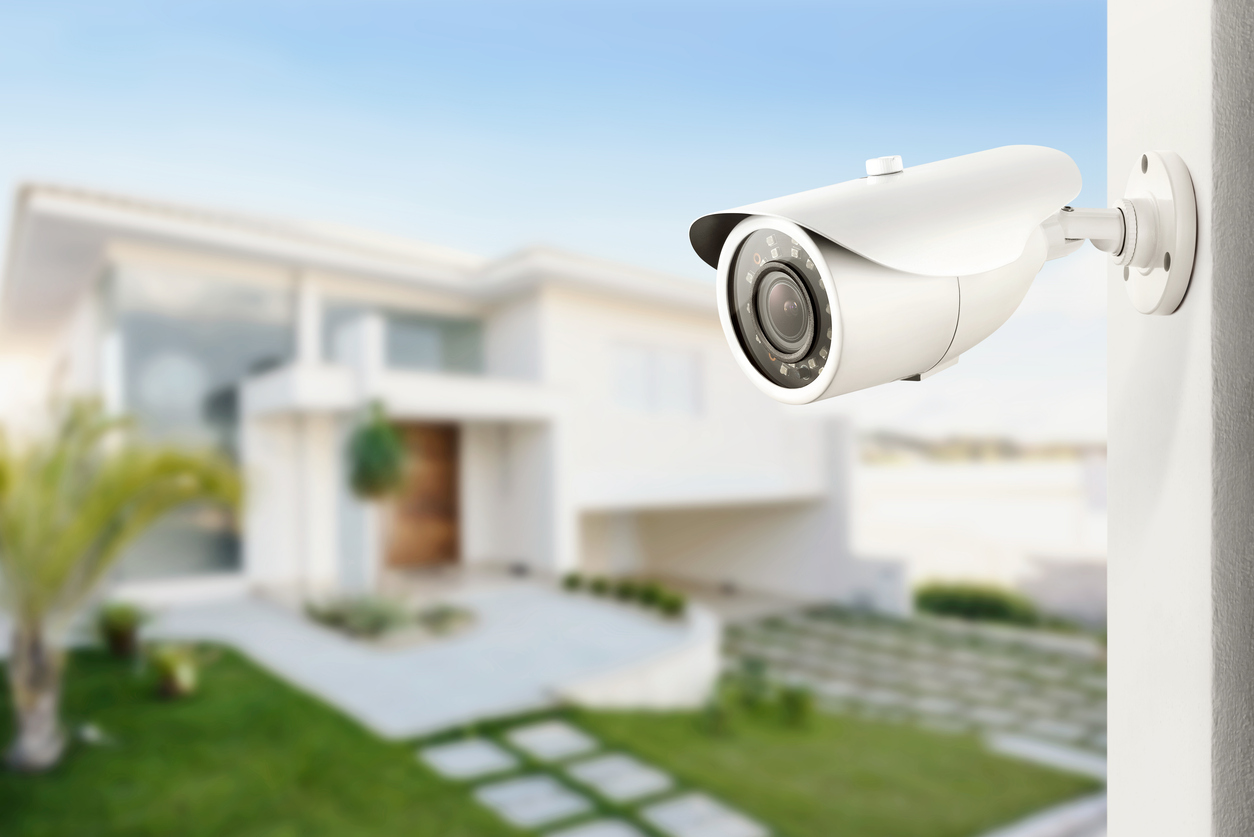
Home surveillance systems typically combine hardware and software to monitor and record activities within and around a property. These systems may include:
- CCTV cameras (indoor and outdoor)
- Digital video recorders (DVRs) or network video recorders (NVRs)
- Motion sensors and alarms
- Remote monitoring apps
- Cloud or local storage solutions
In Nigeria, demand is driven by a mix of residential security needs, growing middle-class housing developments, and increased adoption of smart home technology.
Key Types of Surveillance Systems
1. Wired CCTV Systems
These systems are physically connected via cables and are commonly used in larger homes or estates. They are reliable and less prone to interference but require professional installation.
2. Wireless Surveillance Systems
Wireless systems use Wi-Fi connectivity, making them easier to install and scalable. They are suitable for smaller homes or rental properties where flexibility is important.
3. Smart Surveillance Systems
Smart systems integrate with mobile apps, allowing homeowners to monitor their property remotely. Features may include motion detection alerts, cloud storage, and AI-based recognition.
Factors to Consider When Choosing Home Surveillance Systems in Nigeria
Power Supply and Backup
Nigeria’s inconsistent power supply makes backup systems critical. Look for solutions that support:
- Solar integration
- Battery backups
- Low power consumption devices
Internet Connectivity
For remote monitoring, stable internet is required. In areas with limited connectivity, systems with local storage and offline functionality are more practical.
Environmental Conditions
Outdoor cameras must withstand heat, humidity, and dust. Selecting weather-resistant (IP-rated) equipment is essential for durability.
Data Storage and Security
Choose between:
- Cloud storage (accessible remotely, subscription-based)
- Local storage (DVR/NVR, one-time cost)
Data protection and secure access should also be considered, especially for high-value properties.
Scalability
As security needs grow, systems should allow for additional cameras and features without requiring a full replacement.
Common Challenges in the Nigerian Market
Despite increasing adoption, several challenges affect the deployment of surveillance systems:
- Inconsistent product quality due to unverified suppliers
- Counterfeit or substandard equipment in informal markets
- Installation gaps due to lack of skilled technicians
- Import and logistics delays affecting availability
These issues highlight the importance of working with reliable sourcing and distribution partners.
The Role of Reliable Supply Chains
For property developers, security firms, and retailers, sourcing quality surveillance equipment at scale can be complex. Import regulations, product standards, and logistics coordination all play a role in ensuring consistent supply.
This is where structured procurement and logistics support becomes valuable. Companies involved in infrastructure development or retail distribution need access to:
- Verified international manufacturers
- Bulk purchasing options
- Efficient customs clearance processes
- Warehousing and last-mile delivery
How Wigmore Trading Supports Surveillance System Supply
Wigmore Trading operates within Nigeria’s import and distribution ecosystem, supporting businesses with sourcing and logistics solutions. For surveillance systems and related hardware, support may include:
- Supplier verification and procurement from trusted global manufacturers
- Bulk importation and customs handling to reduce delays
- Distribution across Nigeria, including urban and regional markets
- Supply chain coordination for ongoing projects or retail operations
By ensuring consistency in product quality and delivery timelines, businesses can avoid common disruptions associated with fragmented supply chains.
Applications Across Different Sectors
While primarily used in residential settings, home surveillance systems in Nigeria are increasingly relevant for:
- Gated communities and estates
- Short-let and hospitality properties
- Commercial-residential mixed developments
- Facility management companies
This broader application is driving demand for scalable, integrated solutions.
Future Trends in Home Surveillance Systems in Nigeria
The market is gradually shifting towards more advanced technologies, including:
- AI-powered video analytics
- Facial recognition systems (subject to regulatory considerations)
- Integration with smart home ecosystems
- Cloud-based monitoring platforms
As infrastructure and internet penetration improve, adoption of these technologies is expected to increase.
Conclusion
Home surveillance systems in Nigeria are no longer optional for many households—they are a practical investment in safety and property management. However, selecting the right system requires careful consideration of power, connectivity, durability, and supplier reliability.
For businesses involved in sourcing or distributing surveillance equipment, structured logistics and procurement support can make a significant difference in cost efficiency and product quality.
Wigmore Trading can help. Contact Wigmore Trading today to streamline your sourcing.
No Comments Yet.





Comments are closed.