
How Telemedicine Solutions Are Transforming Remote Healthcare Access in Cuba
Talk to us about this service
Trade, import, logistics, sourcing — whatever you're planning, the fastest way to a quote is a WhatsApp message. Our team replies during Lagos business hours.
WhatsApp usYour message tells us which page you came from
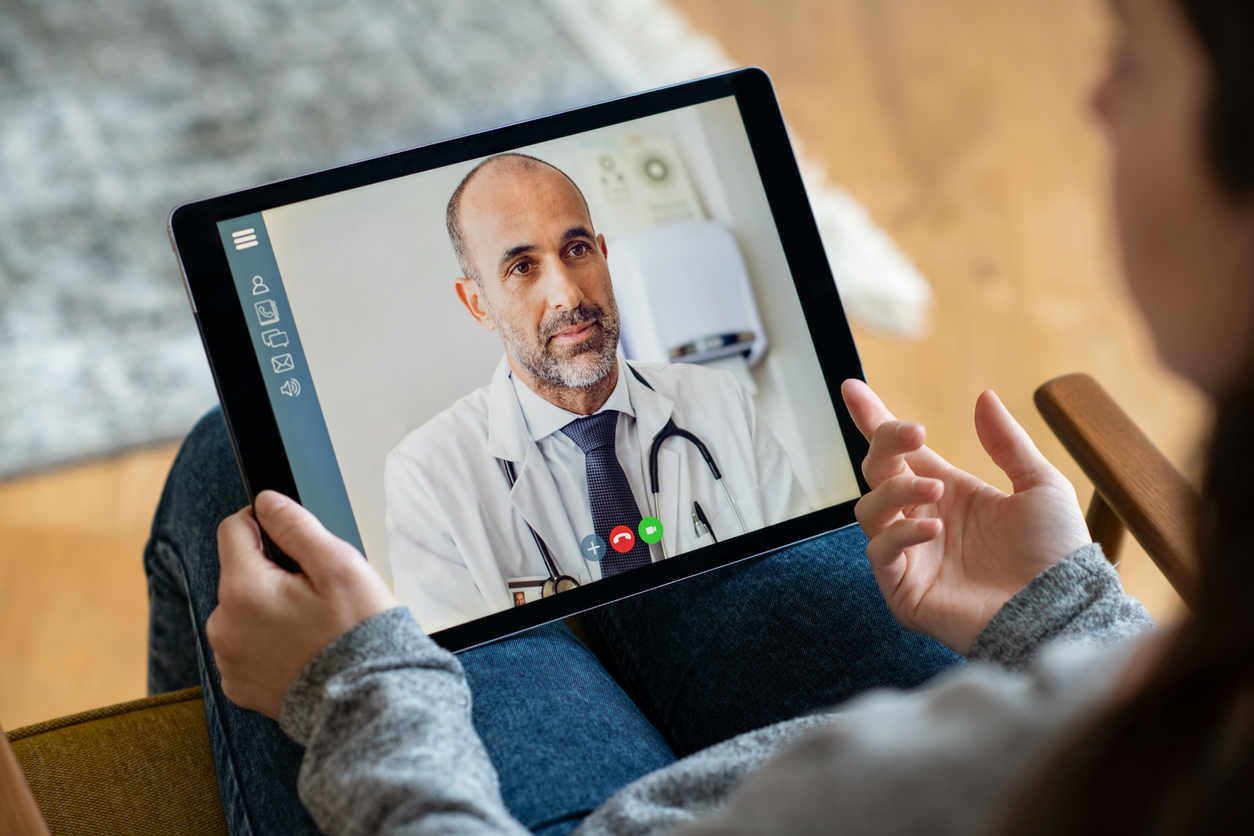
Telemedicine solutions are reshaping how healthcare is delivered in remote and underserved regions worldwide. In Cuba, where healthcare infrastructure is strong but geographically uneven, remote healthcare technologies are becoming increasingly important. By enabling access to medical expertise beyond physical clinics, telemedicine is helping bridge gaps in care, improve efficiency, and support better health outcomes.
For businesses involved in healthcare supply chains, logistics, and distribution—particularly across Africa and emerging markets—Cuba’s telemedicine landscape also offers valuable insights into scalable, cost-effective healthcare delivery models.
Understanding Telemedicine Solutions in Cuba Remote Healthcare
Telemedicine refers to the use of digital technologies—such as video consultations, remote monitoring, and mobile health applications—to provide clinical services without requiring in-person visits. In Cuba, telemedicine solutions are being integrated into the national healthcare system to enhance accessibility, particularly in rural and isolated communities.
Despite Cuba’s strong focus on universal healthcare, logistical challenges such as transportation limitations, equipment shortages, and regional disparities can affect service delivery. Telemedicine helps mitigate these issues by connecting patients with specialists located in urban centers, reducing the need for travel and easing pressure on physical facilities.
Key Drivers of Telemedicine Adoption in Cuba
Several factors are accelerating the adoption of telemedicine solutions in Cuba’s remote healthcare system:
1. Geographic Barriers
Remote and rural communities often face limited access to specialized care. Telemedicine allows patients to consult with doctors without traveling long distances.
2. Resource Optimisation
Cuba’s healthcare system operates with constrained resources. Telemedicine improves efficiency by enabling better allocation of medical personnel and equipment.
3. Preventive Healthcare Focus
Remote monitoring tools allow early detection of health issues, aligning with Cuba’s preventive healthcare model.
4. Digital Infrastructure Development
While still evolving, Cuba’s telecommunications infrastructure is gradually improving, supporting wider implementation of telehealth services.
Challenges Facing Telemedicine Implementation
Despite its potential, telemedicine in Cuba faces several practical challenges:
Limited Connectivity
Reliable internet access remains inconsistent in some rural areas, affecting the quality and reach of telemedicine services.
Equipment and Technology Constraints
Access to modern medical devices and digital platforms can be limited due to import restrictions and budget constraints.
Regulatory and Compliance Considerations
Ensuring data privacy, patient confidentiality, and regulatory compliance is essential but can be complex in a rapidly evolving digital healthcare environment.
Supply Chain Limitations
Delays in sourcing and distributing medical equipment can slow the rollout of telemedicine initiatives.
Practical Solutions for Scaling Telemedicine
To overcome these barriers, a combination of strategic planning and supply chain optimisation is required:
Strengthening Medical Supply Chains
Reliable sourcing and distribution of telemedicine equipment—such as diagnostic devices, tablets, and connectivity tools—are essential. This is where experienced trade and logistics partners play a critical role.
Leveraging Hybrid Healthcare Models
Combining in-person care with telemedicine ensures continuity while accommodating infrastructure limitations.
Investing in Training and Capacity Building
Healthcare professionals need training to effectively use telemedicine platforms and interpret remote diagnostic data.
Enhancing Logistics and Distribution Networks
Efficient importation, warehousing, and last-mile delivery systems are key to ensuring that equipment reaches remote healthcare facilities on time.
The Role of Trade and Logistics Partners
For telemedicine solutions to scale effectively in Cuba and similar markets, robust supply chain management is crucial. This includes sourcing compliant medical equipment, managing cross-border logistics, and ensuring timely delivery to healthcare providers.
Wigmore Trading supports businesses and organisations by facilitating the sourcing and distribution of healthcare products, including telemedicine equipment. With expertise in import/export processes, regulatory compliance, and logistics coordination, Wigmore Trading helps streamline supply chains in challenging environments.
By ensuring that essential medical technologies reach their destination efficiently, companies can accelerate the adoption of remote healthcare solutions and improve service delivery outcomes.
Lessons for Emerging Markets and African Trade
Cuba’s approach to telemedicine offers practical lessons for other regions, particularly across Africa, where similar challenges exist:
- Leveraging telemedicine to extend healthcare access in rural areas
- Integrating digital solutions into existing healthcare frameworks
- Strengthening supply chains to support medical technology deployment
For businesses operating in African trade, the demand for telemedicine infrastructure presents a growing opportunity. From sourcing medical devices to managing logistics, there is increasing need for reliable partners who understand both healthcare requirements and international trade dynamics.
Conclusion
Telemedicine solutions are playing a vital role in enhancing remote healthcare access in Cuba. While challenges remain, the combination of digital innovation and improved logistics is creating new pathways for delivering care efficiently and effectively.
As healthcare systems worldwide continue to evolve, the importance of strong supply chains and reliable distribution networks cannot be overstated. Businesses that can support the sourcing, transportation, and deployment of telemedicine technologies will be well-positioned to contribute to this transformation.
Wigmore Trading can help. Contact Wigmore Trading today to streamline your sourcing.
No Comments Yet.






Comments are closed.