
How Textile Mills in Nigeria Are Shaping Local Industry
Talk to us about this service
Trade, import, logistics, sourcing — whatever you're planning, the fastest way to a quote is a WhatsApp message. Our team replies during Lagos business hours.
WhatsApp usYour message tells us which page you came from
Nigeria’s textile industry has long been a cornerstone of the country’s industrial development, providing jobs, fostering local production, and contributing significantly to GDP. Over the years, the sector has experienced periods of both growth and decline, influenced by global competition, import dynamics, and domestic policy changes. Today, textile mills in Nigeria are witnessing a revival, supported by increased government focus on local manufacturing and initiatives to reduce import dependency.
Overview of Textile Mills in Nigeria
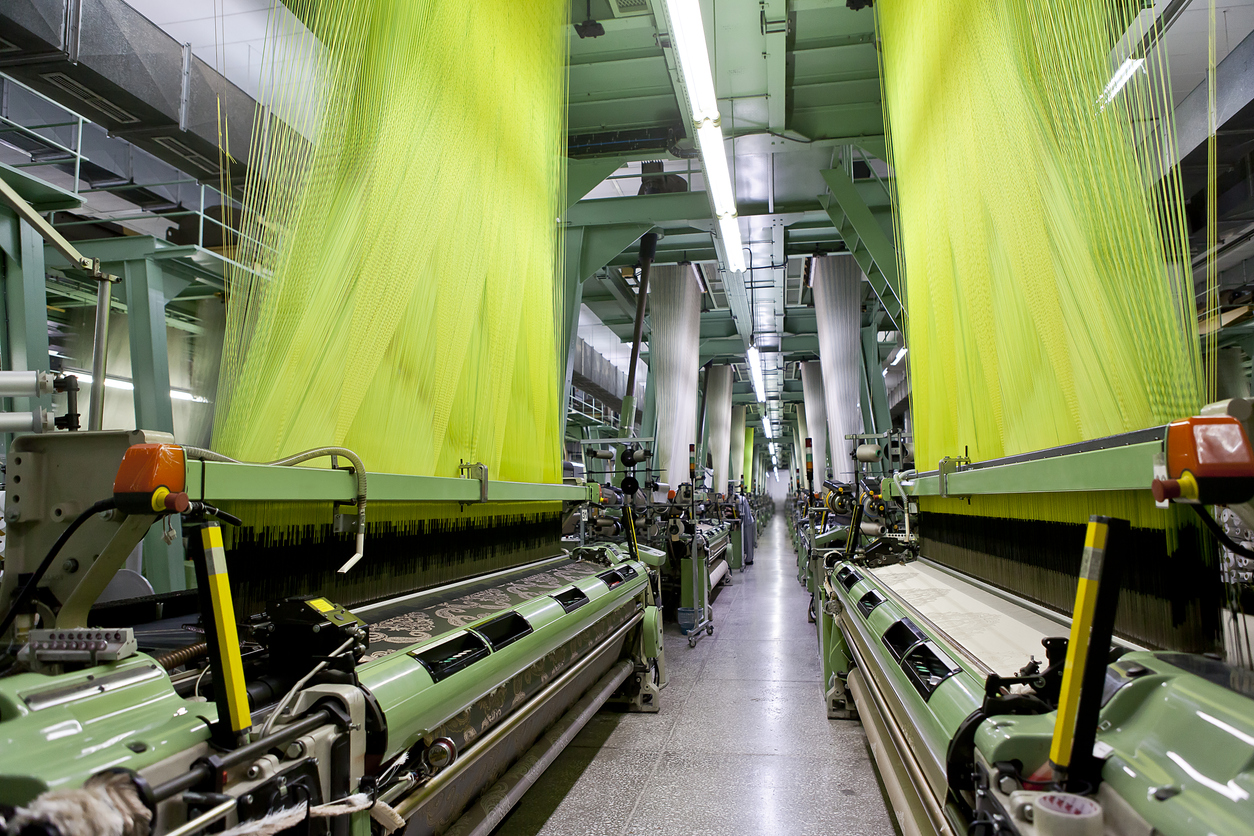
Textile mills in Nigeria produce a wide range of fabrics, including cotton, polyester, and blends used in fashion, home furnishings, and industrial applications. Major cities like Lagos, Kano, Kaduna, and Aba host some of the most established textile factories, catering to both domestic and export markets. Despite challenges such as inconsistent power supply and infrastructure deficits, several mills are leveraging modern technology and efficient production techniques to maintain competitiveness.
Key Challenges Facing Nigerian Textile Mills
-
High Production Costs: Limited access to affordable energy and raw materials often increases the cost of production, making it difficult for local mills to compete with cheaper imported fabrics.
-
Infrastructure Gaps: Inadequate transport and storage infrastructure can delay deliveries and affect quality.
-
Competition from Imports: Imported fabrics, especially from Asia, dominate the Nigerian market due to lower prices, affecting local mill profitability.
Opportunities and Solutions
Despite these challenges, textile mills in Nigeria have significant growth potential:
-
Local Sourcing of Raw Materials: Nigeria produces high-quality cotton, and investing in local sourcing can reduce costs while promoting sustainability.
-
Public-Private Partnerships: Collaboration with government programs aimed at industrial growth can provide access to subsidies, grants, and improved infrastructure.
-
Technology Adoption: Modern machinery and automation can boost efficiency and product quality, helping mills compete with international imports.
Role of Wigmore Trading
For businesses and entrepreneurs looking to navigate the Nigerian textile sector, Wigmore Trading can help. By connecting manufacturers with reliable suppliers, offering insights into sourcing fabrics, and facilitating logistics solutions, Wigmore Trading ensures that clients can access quality materials efficiently. Whether you’re in apparel production, home textiles, or industrial fabrics, the company’s network and expertise help streamline operations and reduce sourcing challenges.
Conclusion
Textile mills in Nigeria remain vital to the country’s industrial landscape. While challenges like high production costs and competition from imports persist, strategic investments, local sourcing, and technological upgrades are unlocking opportunities for sustainable growth. With partners like Wigmore Trading, businesses can navigate these challenges and capitalize on the potential of Nigeria’s textile industry.

Comments are closed.