
How to Buy and Export Coffee from Rwanda: 5 Steps You Should Know
Talk to us about this service
Trade, import, logistics, sourcing — whatever you're planning, the fastest way to a quote is a WhatsApp message. Our team replies during Lagos business hours.
WhatsApp usYour message tells us which page you came from
How to Buy and Export Coffee from Rwanda: 5 Steps You Should Know
There are many types of crops that can be grown in Rwanda as an export business opportunity. Each has its own set of challenges, however, and choosing the right crop to invest in requires research and planning. The way you go about buying or growing coffee depends on your intentions with it. Are you looking to source it for your own home or office? Do you want to use it as an investment opportunity? Or do you want to help sell more of it by becoming a local exporter? Whatever the case may be, this article will help you understand how to buy and export coffee from Rwanda.
Step 1: Determine the Type of Coffee You Want to Buy or Export
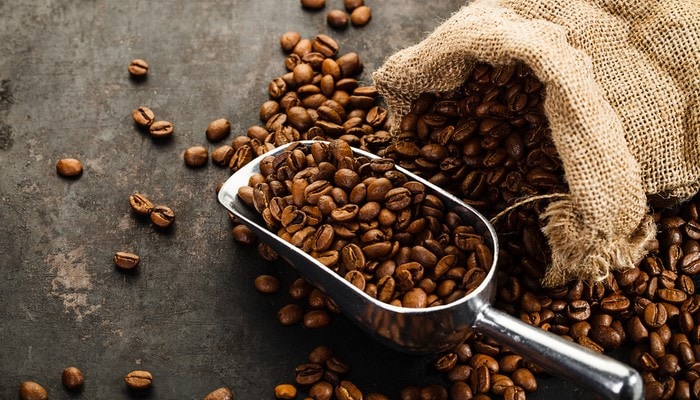
There are many types of coffee beans, each with their own flavour and characteristics. Since you’ll want to use the beans for different purposes, you’ll need to decide which type you want to buy or start growing. Arabica beans are the most common. They are usually high quality and are often used in fresh, high-grade coffee. Robusta coffee beans are the most popular when it comes to instant coffee. It’s also more affordable to grow, but with a lower-quality flavouring.
Step 2: Find a Trusted Source for Your Beans
Traditionally, coffee is grown in Latin America and Africa. You’ll want to make sure you find a supplier that has a good reputation and is ethical in their practices. You can find a list of suppliers on the Fair Trade USA website. You can also find a local supplier for your coffee. A local supplier can help you know about the beans and where they came from, and may be able to provide more information about how they were grown and harvested. If you’re looking to import coffee, you’ll need to know what type of coffee you’d like to buy. You’ll also need to know where you want to buy it from.
Step 3: Know When and Where You Can Export
If you’re hoping to export your coffee, know the countries where you can do so before you go through the process. You can find a list of countries that allow imports of coffee on the Fair Trade USA website. Keep in mind that you may have to meet certain quality standards to export your coffee. You can find out more information by researching the governing bodies that regulate the coffee industry, like the International Coffee Organization (ICO).
Step 4: Decide Whether to Grow Your Own Coffee or Buy It
Depending on your situation, you may want to try growing coffee on your own or buy it from a local supplier. If you’re growing coffee, you’ll need to know how to grow it correctly. If you’re buying coffee from a local supplier, you may want to do some research on the type of growing process and where it came from. You may also want to consider the growing conditions for the coffee plants. This can help you decide if you want to grow or buy your coffee.
Step 5: Wrapping Up
Whether you’re looking to buy or sell coffee, it’s important to know the market. You can find out more by researching the coffee industry and the types of crops available. You can find a list of local suppliers, know what type of beans you want to buy or sell, and know when and where you can export. Additionally, you can decide whether to grow your own coffee or buy it. With these tips, you’ll be able to buy and export coffee from Rwanda.

LEAVE A COMMENT
You must be logged in to post a comment.