
How to Protect Your Home in Nigeria: Practical Security Strategies for Homeowners
Talk to us about this service
Trade, import, logistics, sourcing — whatever you're planning, the fastest way to a quote is a WhatsApp message. Our team replies during Lagos business hours.
WhatsApp usYour message tells us which page you came from
Protecting your home in Nigeria requires a combination of physical security, smart planning, and reliable support services. With evolving urban environments and varying security risks across regions, homeowners must adopt a proactive approach to safeguard their property, assets, and families.
This guide outlines practical, realistic measures that can help improve residential security while highlighting how structured sourcing and logistics support can ensure access to reliable security solutions.
Understanding Security Risks in Nigerian Homes
Security challenges in Nigeria vary by location, housing type, and infrastructure. Common risks include burglary, vandalism, and unauthorized access. In urban areas like Lagos and Abuja, densely populated environments can increase exposure to opportunistic crime, while rural areas may face slower emergency response times.
Addressing these risks starts with identifying vulnerabilities such as poor lighting, weak entry points, or lack of surveillance systems.
Physical Security Measures Every Home Needs
The first step in protecting your home is strengthening its physical structure. This includes:
- Reinforced doors and locks: Steel or solid-core doors with high-quality deadbolt locks reduce forced entry risks.
- Window protection: Burglar-proof bars or reinforced glass can deter intrusion.
- Perimeter fencing: Secure fencing with controlled access points adds an extra layer of protection.
- Security gates: Automated or manually controlled gates help manage entry and exit effectively.
Sourcing durable, high-quality materials is essential. Poor-quality locks or gates can fail under pressure, undermining overall security. Working with experienced suppliers ensures compliance with safety standards and long-term reliability.
Smart Surveillance and Alarm Systems
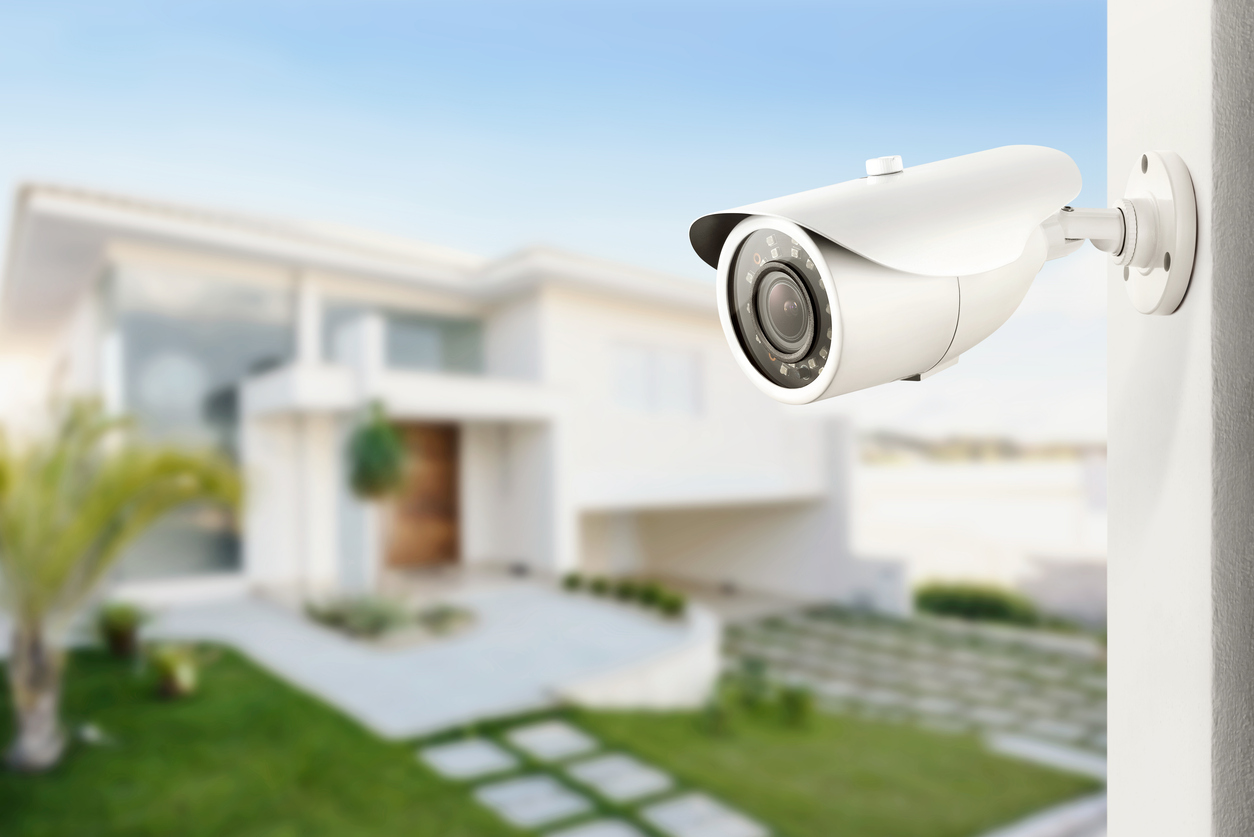
Technology plays a critical role in modern home security. Installing surveillance systems provides both deterrence and evidence in case of incidents.
Key solutions include:
- CCTV cameras: Strategically placed cameras monitor entrances, driveways, and blind spots.
- Motion sensors: These detect unusual movement and trigger alerts.
- Alarm systems: Audible alarms can discourage intruders and notify occupants or neighbors.
- Remote monitoring: Mobile-enabled systems allow homeowners to monitor their property in real time.
Access to genuine, well-installed equipment is crucial. Wigmore Trading supports businesses and property developers by sourcing reliable security devices and coordinating logistics to ensure timely delivery across Nigeria.
How to Protect Your Home in Nigeria with Proper Lighting
Lighting is often underestimated but highly effective in deterring criminal activity.
Well-lit exteriors reduce hiding spots and improve visibility. Consider:
- Installing motion-activated lights around entry points
- Using solar-powered lighting for areas with inconsistent electricity
- Ensuring pathways and driveways are clearly illuminated
Proper lighting complements surveillance systems and enhances overall security without significant operational costs.
Access Control and Visitor Management
Controlling who enters your home is a fundamental security practice. This is especially important in shared residential compounds or estates.
Effective strategies include:
- Intercom systems: Allow verification before granting access
- Security personnel: Trained guards can monitor entry points
- Visitor logs: Keeping records of visitors improves accountability
For property managers or estate developers, sourcing reliable access control systems and coordinating installation at scale can be complex. Wigmore Trading can assist with procurement and supply chain coordination for such projects.
Emergency Preparedness and Community Awareness
Even with strong preventive measures, preparedness is essential.
Homeowners should:
- Establish emergency contacts (local police, security services)
- Develop a response plan for security incidents
- Engage with neighborhood watch groups
Community collaboration often enhances security outcomes, especially in residential estates where collective vigilance can deter criminal activity.
Maintenance and Regular Security Audits
Security systems require regular inspection and maintenance to remain effective.
Routine checks should include:
- Testing alarm systems and sensors
- Inspecting locks, gates, and fences for wear
- Reviewing camera coverage and functionality
Over time, environmental factors and usage can weaken security infrastructure. Regular audits help identify gaps before they become serious risks.
Reliable Sourcing and Logistics for Security Solutions
One of the key challenges in Nigeria is accessing consistent, high-quality security equipment. Counterfeit or substandard products can compromise safety.
Working with experienced supply chain partners ensures:
- Access to verified, durable products
- Efficient importation and customs clearance
- Reliable distribution across regions
Wigmore Trading supports businesses, developers, and procurement teams by managing sourcing, logistics, and compliance processes, helping ensure that security infrastructure meets required standards.
Conclusion
Protecting your home in Nigeria requires a layered approach that combines physical barriers, technology, lighting, and community awareness. Each element plays a role in reducing risk and improving overall safety.
By investing in quality materials, maintaining systems regularly, and working with reliable supply partners, homeowners can build a more secure living environment.
Wigmore Trading can help. Contact Wigmore Trading today to streamline your sourcing.
No Comments Yet.




Comments are closed.