
Is Pepper Spray Legal in Nigeria? A Practical Guide for Importers and Distributors
Talk to us about this service
Trade, import, logistics, sourcing — whatever you're planning, the fastest way to a quote is a WhatsApp message. Our team replies during Lagos business hours.
WhatsApp usYour message tells us which page you came from
Understanding the legal status of personal safety products is essential for businesses involved in importation, distribution, and retail. One frequently asked question is: is pepper spray legal in Nigeria? This article provides a clear, practical overview of the regulatory landscape, along with key considerations for importers, wholesalers, and logistics providers operating in Nigeria and across West Africa.
Understanding the Legal Status of Pepper Spray in Nigeria
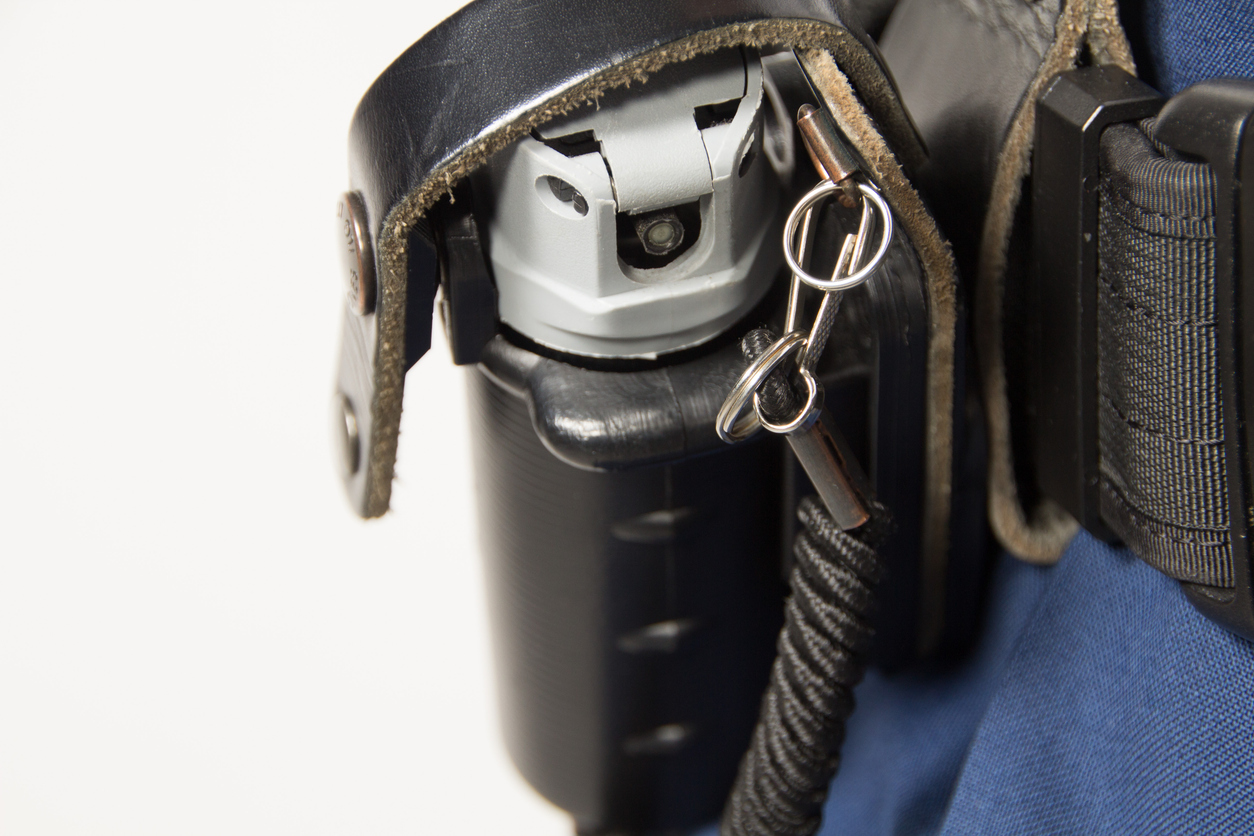
In Nigeria, the legality of pepper spray falls into a regulated grey area rather than being explicitly defined under a single, clear statute. Pepper spray is generally considered a self-defence tool, not a firearm. However, it may still be treated as a controlled item depending on how authorities interpret its use and classification.
Under Nigerian law, particularly the Firearms Act, items classified as weapons require licensing. While pepper spray is not explicitly listed alongside firearms, law enforcement agencies may still regulate its importation and distribution under broader public safety and security provisions.
In practice:
- Personal possession of small quantities for self-defence is often tolerated
- Commercial importation and large-scale distribution may attract regulatory scrutiny
- Improper use can lead to criminal liability
This means businesses must proceed with caution when dealing with such products.
Is Pepper Spray Legal in Nigeria for Import and Trade?
For businesses asking “is pepper spray legal in Nigeria for commercial purposes?”, the answer depends on compliance with multiple regulatory bodies.
Key Regulatory Considerations
Importers and distributors must consider:
- Nigeria Customs Service (NCS): Determines whether pepper spray is classified as a restricted or prohibited import
- Standards Organisation of Nigeria (SON): May require product certification depending on composition and intended use
- National Agency for Food and Drug Administration and Control (NAFDAC): Could be involved if the product contains chemical agents requiring safety approval
- Police or Security Agencies: May require permits if the product is deemed a security device
Failure to obtain the appropriate documentation can result in:
- Shipment delays or seizure
- Financial penalties
- Reputational risk
Challenges in Importing Controlled Safety Products
Importing items like pepper spray presents several operational challenges:
Regulatory Ambiguity
The lack of clear classification can create uncertainty for importers. This makes it difficult to determine:
- Whether permits are required
- Which agencies must approve shipments
- How to classify the product for customs clearance
Customs Clearance Risks
Products flagged as security-related may undergo additional inspections, leading to:
- Extended clearance timelines
- Increased demurrage costs
- Potential confiscation
Supply Chain Disruptions
Without proper planning, businesses may face disruptions in:
- Inventory availability
- Distribution schedules
- Customer fulfilment
Practical Solutions for Importers and Distributors
To navigate these challenges effectively, businesses should adopt a structured approach:
Conduct Pre-Import Classification
Before shipping, confirm how pepper spray will be classified by Nigerian Customs. This helps avoid unexpected issues at the port.
Secure Necessary Documentation
Work with compliance experts to determine whether permits or certifications are required. Documentation may include:
- Product safety data sheets
- Import permits
- Regulatory approvals
Partner with Experienced Logistics Providers
Handling controlled or sensitive goods requires expertise in:
- Customs procedures
- Regulatory compliance
- Risk management
This is where experienced trade partners can make a significant difference.
How Wigmore Trading Supports Compliance and Distribution
For businesses exploring the pepper spray market or similar regulated products, having a reliable partner is essential.
Wigmore Trading supports companies by:
- Advising on import regulations: Helping businesses understand how products like pepper spray are classified
- Managing customs clearance: Reducing delays and ensuring proper documentation
- Providing end-to-end logistics solutions: From sourcing to final distribution
- Ensuring compliance with Nigerian regulations: Minimising legal and operational risks
By leveraging local expertise and established relationships with regulatory bodies, Wigmore Trading helps businesses navigate complex import environments efficiently.
Key Takeaways
So, is pepper spray legal in Nigeria? The answer is nuanced:
- It is not outright banned but falls under regulated use and import conditions
- Personal possession is generally tolerated, but commercial activity requires caution
- Importers must comply with customs, safety, and security regulations
For businesses, the priority should be compliance, due diligence, and proper logistics planning.
Conclusion
Understanding the legal and regulatory framework around products like pepper spray is essential for avoiding costly mistakes. While the market for personal safety products continues to grow, success depends on navigating compliance requirements effectively.
Wigmore Trading can help. Contact Wigmore Trading today to streamline your sourcing and ensure compliant importation into Nigeria.
No Comments Yet.




Comments are closed.